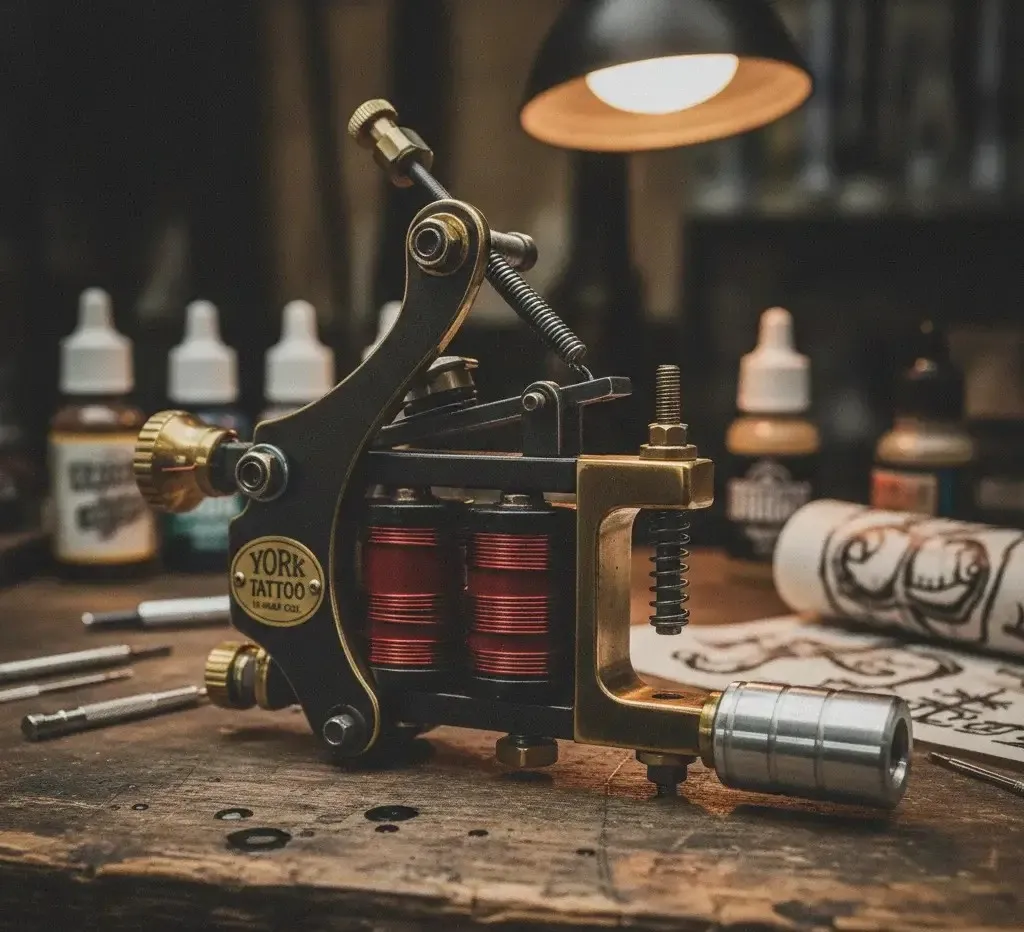
Have you ever wanted to start tattooing but felt confused about which machine to buy?
Many beginners struggle because coil machines can look complicated, heavy, or hard to tune.
But the truth is, once you understand the basics, coil machines become powerful tools that help you learn real tattoo skills.
That’s why choosing the best coil tattoo machines for beginners is one of the most important steps when starting your tattoo journey.
A good coil machine gives you strong lines, better control, and the classic tattoo feel that many artists still prefer.
The right beginner machine should be easy to handle, simple to adjust, and stable during practice. In this guide, you’ll discover the top beginner-friendly options and learn what makes them reliable.
Whether you’re practicing on fake skin or doing your first real tattoo, the right coil machine will make your learning experience smoother, safer, and more enjoyable.
What Makes a Coil Tattoo Machine Beginner-Friendly, and Why Should New Artists Choose One?
A coil tattoo machine becomes beginner-friendly when it offers stable performance, easy tuning, and manageable weight.
New artists often choose coil machines because they help develop hand control, line precision, and technical understanding of tattoo mechanics.
Coil machines also deliver powerful hits that work well for clean outlines and traditional styles.
They help beginners learn how voltage, springs, and coils affect performance. This foundation makes future transitions to rotary or wireless machines much easier.
Overall, beginners benefit from the control, feedback, and hands-on learning coil machines provide.
How Does a Coil Tattoo Machine Work, and What Should Beginners Understand Before Buying?
A coil machine uses electromagnetic coils to pull and release the armature bar, which moves the needle up and down.
This creates a powerful, controlled strike that is ideal for strong, crisp lines. Beginners should understand how the coils, springs, and contact screw work together, because tuning affects speed and hit strength.
Knowing these basics helps avoid mistakes like blowouts, inconsistent lines, or skin trauma.
Before buying, a beginner should know whether they need a liner or shader, how much power supply voltage is required, and the weight they feel comfortable handling. This knowledge leads to better choices and easier learning.
Which Are the Best Coil Tattoo Machines for Beginners, and What Makes Them Stand Out?
Several coil machines stand out because they offer reliability, balance, and easy tuning. Some of the best beginner options include:
- Dragonhawk Complete Coil Kit: Affordable and easy to practice with.
- Stigma Coil Machine Set: Smooth operation and stable performance.
- Red Scorpion Coil Machines: Great for clean lines and shading practice.
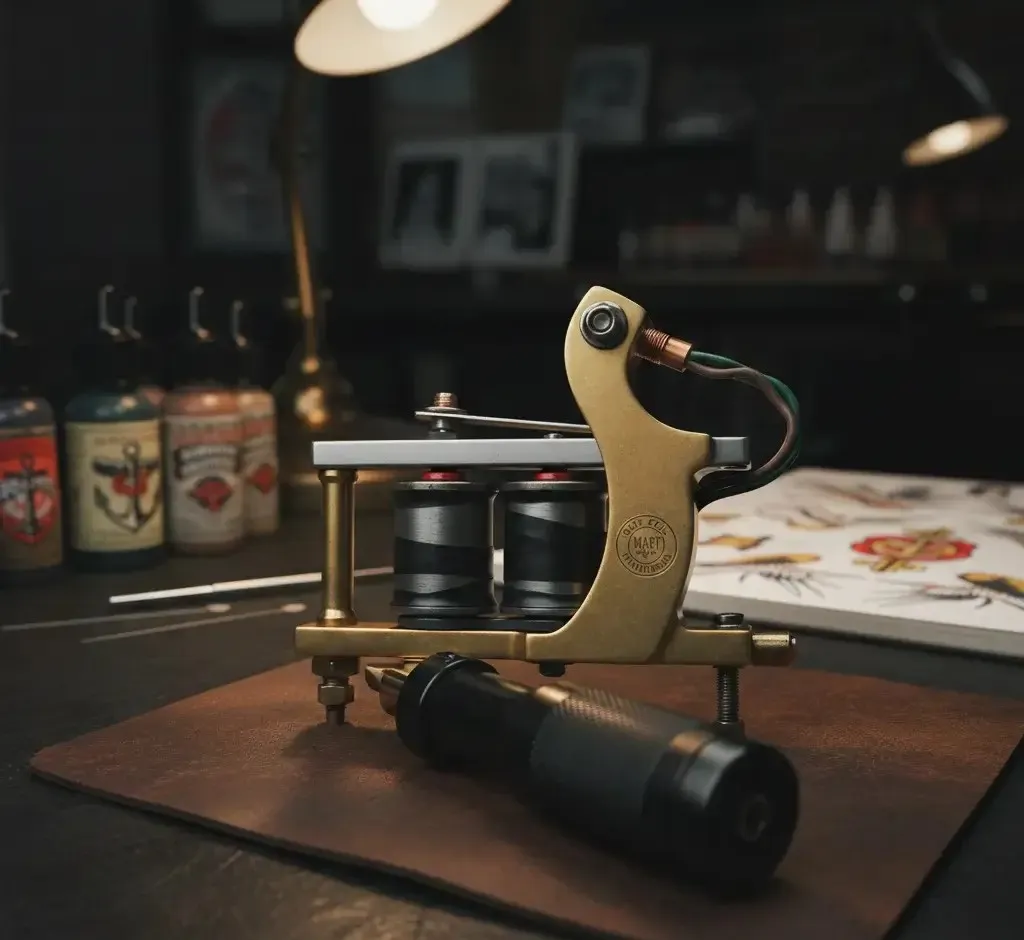
- Mast Traditional Coil Machine: Lightweight and durable.
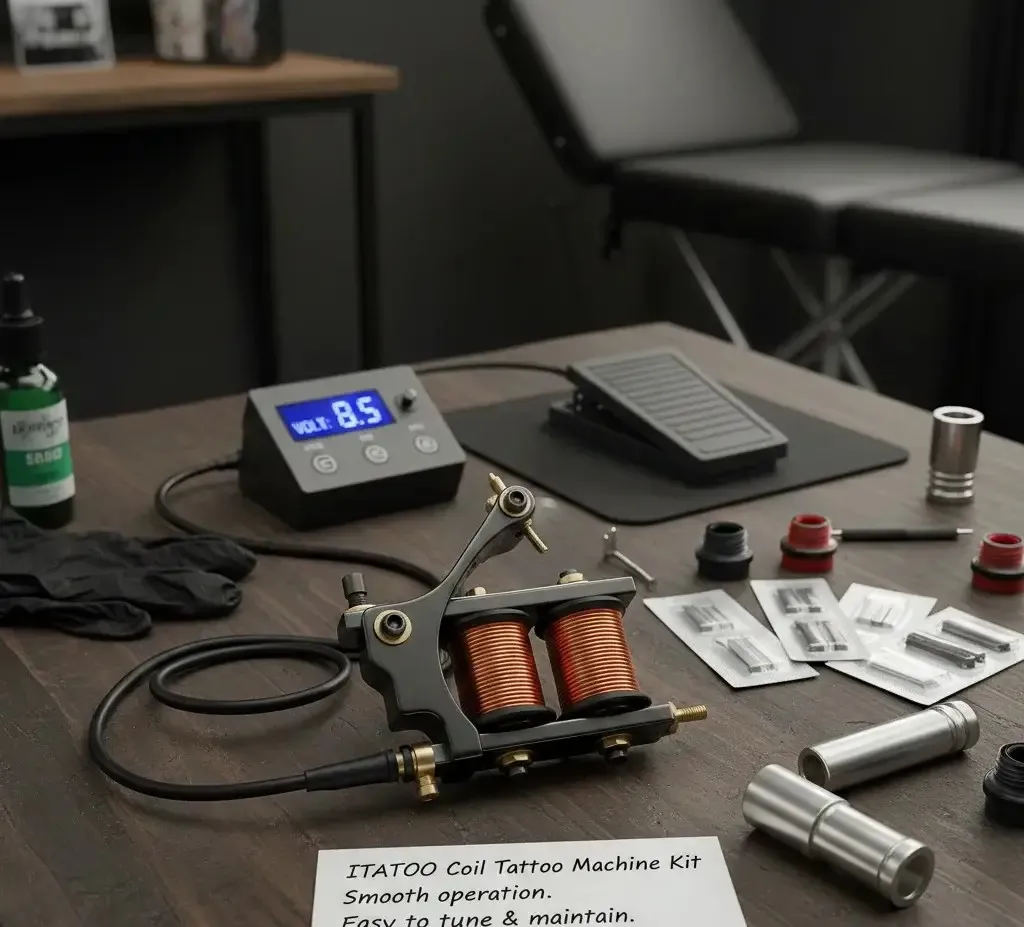
- ITATOO Coil Kit: Good for learning tuning basics.
These machines are trusted because beginners can adjust them easily without complex setup, and they perform well across different tattoo styles.

What Features Should a Beginner Look for in a High-Quality Coil Tattoo Machine?
A good beginner coil machine should have solid construction, ideally made from iron or brass, because these metals absorb vibration and deliver smoother performance.
The machine should be lightweight enough for comfortable use but strong enough to provide a stable hit. Look for high-quality copper coils, a well-made armature bar, and responsive springs.
Adjustable contact screws are important because they allow beginners to fine-tune speed and stroke length.
A beginner should also look for a machine that supports different needle groupings so they can experiment with lining and shading. Reliable voltage handling is another key feature.
How Do You Use a Coil Tattoo Machine Safely as a Beginner Without Damaging the Skin?
Safety starts with understanding needle depth and hand pressure. Beginners should always avoid pushing too hard or keeping the needle too deep, as this can cause scarring.
Maintaining a consistent hand speed prevents lines from becoming shaky or blown out. Always use sterilized equipment, disposable tubes, and gloves to prevent infection.
Keep the machine at the recommended voltage and avoid adjusting it mid-tattoo unless necessary. Start practicing on fake skin to learn the feel of the coil machine.
Finally, follow all hygiene guidelines such as wrapping the machine, disinfecting the area, and using skin-safe products.
What Common Problems Do Beginners Face with Coil Tattoo Machines, and How Can They Fix Them?
Beginners often face issues like excess vibration, inconsistent needle movement, and difficulty tuning the machine.
Lines may look patchy if voltage is too low or the spring tension is incorrect. Blowouts happen when the needle is too deep or the hand pressure is uneven.
If the machine feels too heavy, beginners may struggle with control. These problems can be fixed by:
- Adjusting the contact screw for proper speed
- Setting the correct voltage (usually 6–9V for lining)
- Holding the machine at the correct angle
- Practicing steady hand movements
- Using quality power supplies and needles
Small adjustments make a big difference for beginners.
How Can You Tell if Your Coil Machine Is Running Too Fast, Too Slow, or Needs Adjustment?
If a coil machine is running too fast, it will feel harsh on the skin and may cause excessive trauma or loud buzzing.
Lines may appear too deep or blown out. If it’s running too slow, lines will look faint and patchy, and the needle may drag instead of gliding.
A machine that needs adjustment may spark at the contact screw or stop frequently.
Beginners can check the stroke by gently pressing the armature bar and listening for smooth sound.
Testing on fake skin helps determine if speed and power feel balanced. Tuning becomes easier with practice and listening closely.
What Are the Signs of Skin Damage Caused by Incorrect Coil Machine Settings?
Skin damage shows up as heavy redness, swelling, or bleeding during the tattoo. Blowouts appear as blurry ink spreading under the skin.
Deep scarring lines or raised textures indicate the needle went too deep. Patchy or uneven coloring means the machine wasn’t penetrating the skin properly.
If the skin feels overly hot or irritated, the machine may be running too fast or with too much voltage. Beginners should learn to watch the skin closely as they work.
Healthy skin should stay firm, with minimal bleeding and a clean outline. If damage appears, stop immediately and readjust.
How Do You Set Voltage, Needle Depth, and Speed Correctly on a Coil Machine as a Beginner?
Voltage for coil machines usually ranges between 6–9 volts for lining and 8–10 volts for shading. Beginners should start low and increase slowly until the machine sounds smooth.
Needle depth should be about 1–2 mm, depending on the skin thickness. Too shallow causes faint lines, while too deep causes damage.
Speed is controlled through a combination of voltage and spring tension. To set things correctly:
- Start with low voltage
- Adjust contact screw for smooth running
- Test needle depth on fake skin
- Listen for even, consistent sound
Correct settings create clean lines without excessive trauma.

What Aftercare Steps Should Clients Follow After Getting a Tattoo Done with a Coil Machine?
Aftercare is important because coil machines hit harder than some rotary machines. Clients should wash the tattoo gently with fragrance-free soap after a few hours.
Pat the area dry and apply a thin layer of recommended ointment or moisturizer. Avoid scratching, picking, or exposing the tattoo to direct sunlight.
Keep it away from dirt, sweat, and swimming pools. Wear loose clothing to avoid friction.
Moisturizing regularly prevents dryness and cracking during healing stages. Following these simple steps helps the tattoo heal evenly and prevents infections or fading.
What Are the Risks of Using a Coil Tattoo Machine Without Proper Training?
Using a coil machine without learning proper technique can cause serious skin injuries such as blowouts, scars, or deep cut-like wounds.
There is also risk of cross-contamination if hygiene rules aren’t followed. Beginners may set voltage too high, causing excessive trauma or ink pooling.
Another risk is poor line quality, which makes tattoos look unprofessional. Incorrect tuning can damage needles or cause machine overheating.
Training ensures beginners understand skin anatomy, hygiene, and machine mechanics. Without this knowledge, tattooing becomes unsafe for both artist and client.
How Long Does a Tattoo Made with a Coil Machine Take to Heal, and What Stages Should You Expect?
A tattoo typically takes 2–4 weeks to heal on the surface, but deeper healing can take up to 6 weeks.
The healing stages usually include initial redness and swelling, followed by dryness and light scabbing.
After a few days, the tattoo may start peeling like sunburn. During the second week, skin flakes off naturally and may look dull or cloudy.
By week three, the tattoo becomes smoother and color begins brightening. Final settling happens in the following weeks.
Coil machine tattoos sometimes feel slightly more tender because of their stronger hit. Proper aftercare helps ensure smooth healing.
What Are the Best Safety and Hygiene Practices for Beginner Artists Using Coil Machines?
Beginners should always use new, sealed needles and disposable grips. The machine should be wrapped with protective plastic to prevent cross-contamination.
All surfaces in the workspace must be disinfected before and after tattooing. Wearing gloves and changing them whenever touching non-sterile items is crucial.
Clean the machine with proper disinfectant (avoiding coils) after every session. Dispose of sharps safely. Use high-quality ink from trusted brands.
These hygiene steps protect both artist and client from bacteria, viruses, and infections, ensuring safe tattooing practices.
How Can Beginners Prevent Blown-Out Lines and Uneven Shading with a Coil Machine?
Blowouts often happen when the needle goes too deep, so beginners must maintain correct needle depth and gentle pressure.
To prevent uneven shading, practice circular or whip shading motions at a steady speed. Adjust voltage so the machine runs smoothly without hitting too hard.
Keep the skin stretched properly to help the needle glide. Use the right needle grouping for the design.
Practicing on fake skin helps beginners learn how much pressure to apply. With time, control improves and shading becomes smoother and consistent.
What Expert Tips Help Beginners Improve Their Linework and Shading with Coil Machines?
Experts recommend keeping the wrist relaxed and using forearm movement for cleaner strokes.
Practicing slow, controlled lines builds confidence and consistency. Using stencil guidelines helps stay steady, especially for long lines.
For shading, slow hand speed with consistent passes creates smooth gradients. Experts also suggest tuning the machine properly before every session.
Choosing the right needle size makes a noticeable difference. Above all, regular practice on fake skin helps beginners understand pressure and speed better, leading to professional-looking tattoos.
Coil vs. Rotary: Should Beginners Start With a Coil Machine or Switch Later?
Coil machines are great for beginners because they teach core tattooing skills such as tuning, speed control, and hand pressure.
They offer strong linework and classic tattoo style. Rotary machines are quieter, lighter, and require less tuning, making them easier for fast progress.
Many artists start with coils to build a foundation, then switch to rotary machines once they understand technique.
The choice depends on personal comfort, but learning coils first gives deeper understanding of tattoo mechanics.
How Can You Maintain, Clean, and Tune a Coil Tattoo Machine for Long-Term Performance?
Maintenance includes cleaning the exterior after each use, checking springs, and ensuring screws are tight.
Regular tuning involves adjusting the contact screw, ensuring correct spring tension, and checking coil alignment. Lubrication is not used on coil machines, so beginners should avoid applying oil.
After cleaning, store the machine in a dry place to prevent rust. If the machine starts sparking or running unevenly, recheck the contact points.
Proper maintenance increases machine life and ensures consistent performance.
What Budget Options Offer the Best Value for Beginners Learning Coil Machines?
Beginners don’t need expensive machines to start learning. Budget-friendly options like Dragonhawk, ITATOO, and Stigma offer complete kits that include coils, grips, needles, and power supplies.
These kits help beginners experiment with tuning without risking high-end tattoo machines. They perform well enough for practice and early client work.
Budget options are especially helpful for new artists who want to understand coil mechanics before investing in advanced machines.
Affordable does not mean low quality—many entry-level machines are reliable and effective.
How Do You Choose the Right Needles, Tubes, and Grips for Coil Tattoo Machines?
Choosing needles depends on the tattoo style. Round liners (RL) are best for outlines, while magnums (M1, M2) work well for shading.
Tubes must match the needle type and size. Beginners should choose disposable tubes for cleanliness and convenience.
Grips should feel comfortable and balanced in the hand, especially since coil machines can be heavier.
Silicone or rubber grips reduce strain on the fingers. Using the correct combinations ensures clean linework, smooth shading, and consistent machine performance.
What Do Professional Tattoo Artists Recommend for Beginners Using Coil Machines?
Professionals recommend learning the basics of tuning first, because coil machines require more understanding than rotary machines.
They suggest starting with a lightweight liner machine to build line control. Practicing regularly on synthetic skin helps develop pressure awareness.
Most pros emphasize using high-quality power supplies and needles. They also advise keeping the machine clean and adjusting it before every session.
Above all, professionals encourage beginners to take their time, learn steadily, and focus on skin safety.
Final Thoughts
In the end, choosing the best coil tattoo machines for beginners comes down to finding a machine that is easy to use, safe, and reliable while you learn.
Coil machines help new artists understand needle depth, hand pressure, and tuning, which are important tattooing skills.
A good beginner machine should feel comfortable, run smoothly, and give clean lines without causing skin damage.
By understanding features, safety tips, tuning basics, and aftercare, beginners can work with confidence and avoid common mistakes.
With the right coil machine, learning becomes easier, tattoos heal better, and your overall progress becomes smoother and faster.
Click Here To See More Blogs:
- 17 Girl Arm Tattoos That Look Stunning On Every Style
- 19 Stunning Everything Happens For A Reason Tattoo Ideas You’ll Love
- Top 16 Father Daughter Tattoos With Stunning Meaning Ideas
- 15 Stunning Serenity Prayer Tattoo Designs To Try
- A Complete Guide To Mixing Black And Grey With Color Tattoos For Bold, Balanced Designs
- Top 16 Twin Tattoos Every Pair Will Love Instantly
- How Long After Eyebrow Tattoo Can I Get Botox? The Safe Timing Guide
- 16 Stunning 1 of 1 Tattoo Ideas With Deep Meaning
- Why Can’t You Get A Tattoo While Breastfeeding? Risks, Tips, And Expert Advice
- Do Tattoos Make Your Arms Look Bigger? The Complete Easy Guide
- 18 Best Three Crosses Tattoo Designs With Powerful Symbolism
- 16 Stunning Name Cover Up Tattoos For Women You’ll Love
- 18 Beautiful Handwriting Tattoo Designs You’ll Love
- Does Smoking Affect Tattoo Healing? How Smoking Impacts Your New Ink
- 16 Cowboy Bebop Tattoo Ideas That Look Absolutely Stunning
- How To Cover Up A Neck Tattoo For Work: Easy Tips For Professionals
- 15 Best Baseball Tattoo Styles Every Fan Should See
- How To Remove Tegaderm From Tattoo Safely (Easy Step-by-Step Guide)
- 15 Stunning Small Hummingbird Tattoo Ideas To Try Now
- Top 16 Year Tattoo Number Designs You’ll Love Forever
- How To Hide A Tattoo On Your Hand Without Anyone Noticing
- 15 Best Female Tattoos That Look Gorgeous On Anyone
- Why Your Tattoo Burns After Lotion And How To Fix It
- Top 18 Beautiful Flower Leg Tattoos For Women
- Can You Tattoo Over A Mosquito Bite? Here’s What You Should Know
- 17 Meaningful Bird Tattoos For Women You’ll Fall In Love With