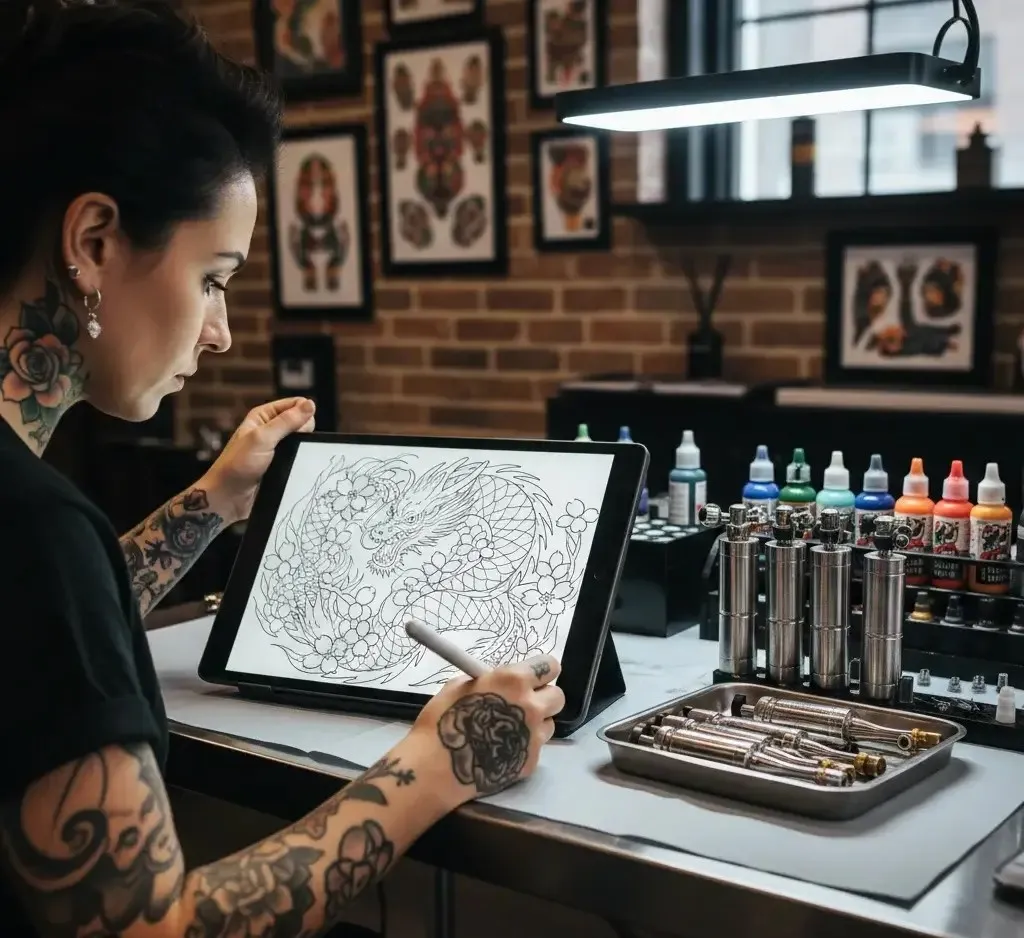
Ever spent hours drawing a tattoo design, only to feel frustrated because your tablet lags, the lines don’t look right, or the colors seem off?
For tattoo artists, even small design mistakes can turn into permanent skin errors.
That’s why choosing the best tablet for tattoo artist work is not just about convenience—it’s about accuracy, confidence, and protecting your reputation.
The right tablet helps you plan clean lines, perfect shading, and proper placement before the needle ever touches skin.
A good tablet becomes a tattoo artist’s second hand. It helps you sketch faster, edit designs easily, and show clients exactly what they’ll get.
Whether you are a beginner learning the basics or a professional working long studio sessions, the best tablet for tattoo artist use makes your work smoother and your results better.
When your tools work with you instead of against you, you can focus on what truly matters—creating great tattoos your clients will love.
What Makes the Best Tablet for a Tattoo Artist in Daily Studio Work?
The best tablet for a tattoo artist must handle long studio hours without slowing down or causing frustration. It should respond smoothly to every pen stroke, even during detailed line work or shading.
A high-resolution display helps artists see fine details clearly, reducing design mistakes. Battery life is also important because tattoo sessions can last many hours.
The tablet should support professional drawing apps and work well with a pressure-sensitive stylus.
Durability matters too, as studio environments can be busy and messy. Most importantly, it should help artists work faster, cleaner, and with more confidence.
Why Do Tattoo Artists Need a Dedicated Tablet Instead of Paper or Phones?
Tattoo artists need a dedicated tablet because it offers accuracy and flexibility that paper and phones cannot. Tablets allow easy resizing, mirroring, and editing of designs before tattooing.
Unlike phones, tablets have larger screens that show details clearly. Digital designs are easier to store, reuse, and modify for future clients.
Tablets also reduce paper waste and save time during consultations. With a tablet, artists can instantly adjust designs based on client feedback.
This leads to better communication, fewer errors, and more professional results.
What Problems Do Tattoo Artists Face When Using the Wrong Tablet?
Using the wrong tablet can cause serious issues during tattoo preparation. Poor screen quality may distort lines or colors, leading to design inaccuracies.
Lag or slow response can break creative flow and waste time. Low stylus sensitivity makes shading and line thickness inconsistent.
Weak battery life can interrupt sessions mid-design. Some tablets do not support professional apps, limiting creativity.
Over time, these problems can affect tattoo quality, client trust, and the artist’s reputation.
Which Tablet Features Matter Most for Tattoo Designing and Stencil Work?
Certain features are essential for tattoo designing and stencil creation:
- High-resolution display for clean, sharp designs
- Strong stylus pressure sensitivity for precise line control
- Fast processor to prevent lag while drawing
- Large screen size for detailed artwork
- App compatibility with Procreate, Photoshop, or tattoo apps
These features allow artists to create accurate stencils that transfer well onto skin. When a tablet handles these tasks smoothly, it reduces design errors and saves valuable studio time.
How Does Screen Accuracy Affect Tattoo Line Work and Color Matching?
Screen accuracy plays a major role in tattoo outcomes. If colors appear incorrect on the tablet, the final tattoo may not match the client’s expectations.
Accurate screens show true blacks, clean whites, and realistic skin tones. Sharp resolution helps artists spot uneven lines before tattooing.
This is especially important for realism and color tattoos. When artists trust what they see on the screen, they can tattoo with confidence.
Poor accuracy can lead to touch-ups, unhappy clients, and wasted effort.
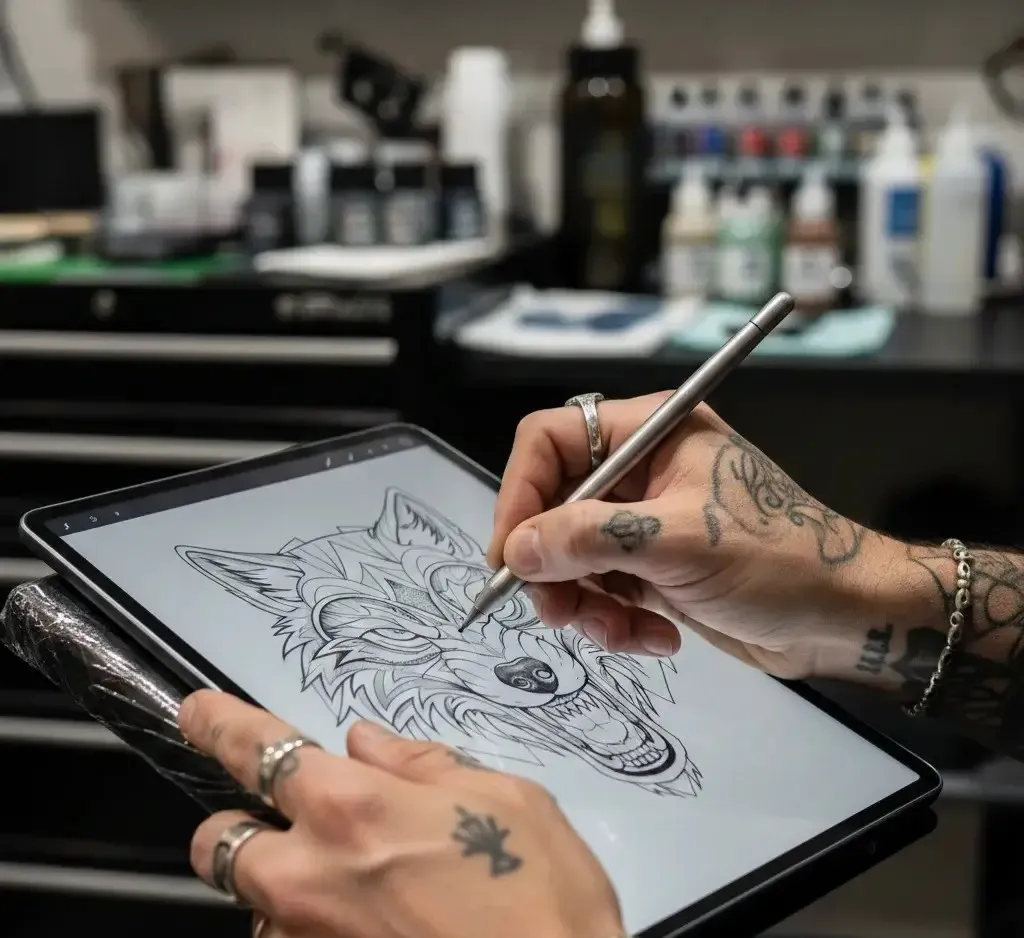
What Are the Best Tablets for Drawing Tattoo Designs Digitally?
The best tablets for digital tattoo design offer smooth drawing experiences and professional tools. Tablets with high refresh rates feel more natural, similar to pen on paper.
Stylus accuracy allows artists to create clean outlines and smooth shading. Large displays make it easier to work on full sleeve or back designs.
Tablets that support layers, brushes, and export options are ideal. These features help artists create polished designs ready for stencil transfer or client approval.
Which Tablets Work Best for Tattoo Stencils and Transfers?
For stencil work, tablets must produce sharp, clean designs that transfer easily. Tablets with strong contrast and brightness help refine stencil lines.
File export quality matters so designs print clearly. Compatibility with stencil printers is also important.
Tablets that allow easy flipping and resizing help fit designs perfectly on the body. Reliable tablets reduce stencil smudging and alignment errors. This leads to better placement and smoother tattoo sessions.
Is iPad Better Than Android Tablets for Tattoo Artists?
iPads are often preferred because of their powerful drawing apps and reliable performance. Many professional tattoo artists use iPads due to smooth stylus response and display accuracy.
Android tablets, however, can be great budget-friendly options. Some Android models now offer excellent stylus support and large screens.
The best choice depends on the artist’s workflow and budget. Both platforms can work well if the tablet meets professional drawing needs. The key is performance, not brand alone.
What Size Tablet Is Best for Tattoo Artists Without Causing Hand Fatigue?
Tablet size affects comfort during long sessions. Very small tablets may strain the eyes, while very large ones can tire the arms.
Most tattoo artists prefer medium to large screens for balance. A size that fits comfortably on a desk or stand is ideal.
Lightweight tablets reduce wrist and shoulder strain. Artists should choose a size that allows natural hand movement. Comfort improves focus, accuracy, and long-term health.
How Important Is Stylus Pressure Sensitivity for Tattoo Artists?
Stylus pressure sensitivity is extremely important for tattoo artists. It controls line thickness, shading depth, and smooth transitions.
High pressure sensitivity allows more natural drawing, similar to real tattoo machines. Low sensitivity makes designs look flat and uneven.
Artists rely on pressure control to plan needle depth and stroke flow. A responsive stylus improves confidence and creativity. This directly impacts tattoo precision and final results.
What Apps Should a Tablet Support for Professional Tattoo Designing?
A professional tablet should support high-quality design apps, including:
- Drawing and sketching apps
- Layer-based editing tools
- Image importing and exporting options
- Stencil-friendly formats
Apps like these help artists customize designs quickly. Smooth app performance saves time during client consultations. The right apps allow artists to experiment without fear of mistakes. Strong app support turns a tablet into a complete tattoo design studio.
Can a Tablet Improve Tattoo Healing Results Through Better Design Planning?
Yes, better design planning leads to better healing. Clean lines and proper spacing reduce ink blowouts and skin stress.
Tablets allow artists to adjust design size and placement before tattooing. This prevents overcrowding and uneven pressure on the skin.
Well-planned tattoos heal more evenly and fade less. Clients experience less irritation and better long-term results. A tablet helps artists think ahead, not just tattoo in the moment.
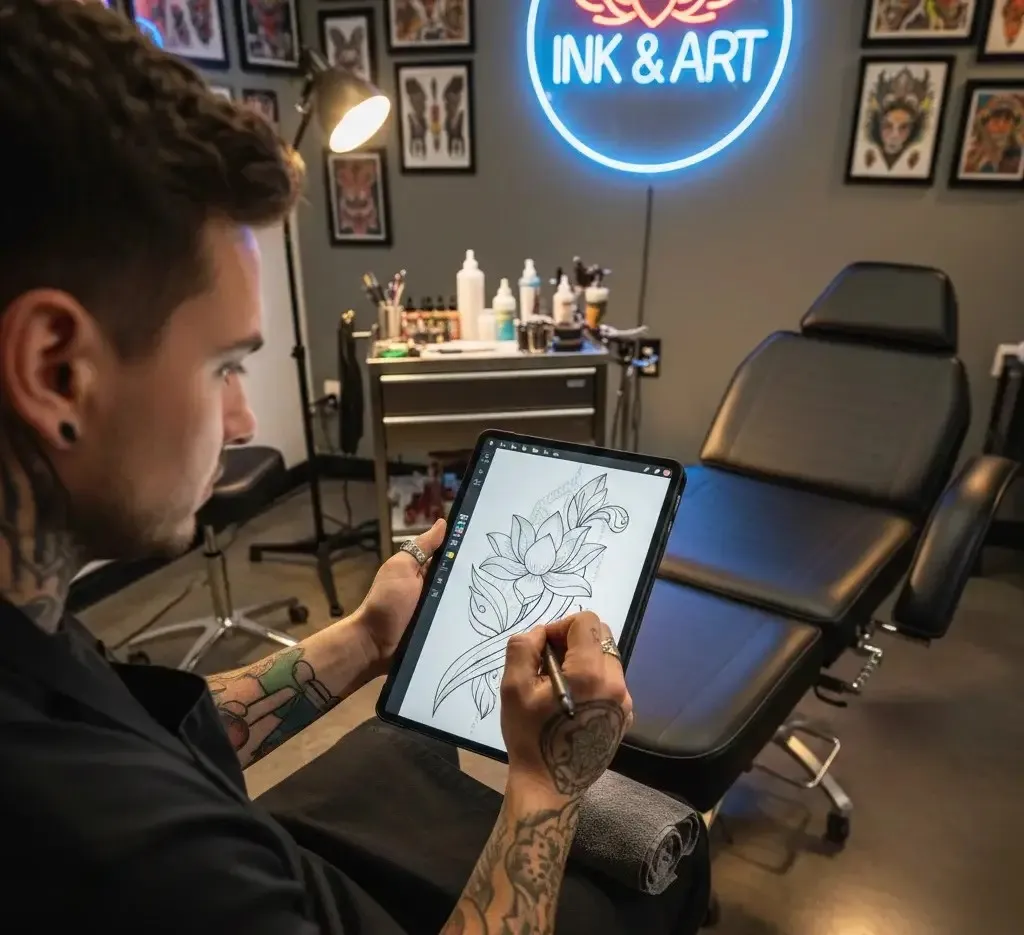
What Risks Can Poor Tablet Accuracy Cause in Tattoo Design?
Poor tablet accuracy can cause design mistakes that permanently affect tattoos. Incorrect proportions may not fit the body correctly.
Color mismatches can disappoint clients. Jagged lines on screen may turn into shaky tattoos.
These errors increase the need for touch-ups or cover-ups. In severe cases, they damage an artist’s reputation. Investing in a reliable tablet reduces these risks significantly.
How Can Tattoo Artists Prevent Design Errors Using the Right Tablet?
Artists can prevent errors by choosing a tablet with:
- Accurate display calibration
- Smooth stylus response
- Zoom and grid tools
- Layer separation
These features help artists review designs carefully before tattooing. Tablets allow easy corrections without starting over. Artists can double-check alignment and symmetry. Prevention saves time, ink, and client discomfort. The right tablet acts as a safety net.
What Is the Best Tablet for Beginner Tattoo Artists?
Beginner tattoo artists need a tablet that is simple, affordable, and reliable. It should support basic drawing apps and stylus use.
Easy navigation helps beginners focus on learning, not technology. A moderate screen size is ideal for practice.
Good battery life supports long learning sessions. Beginners should choose a tablet that grows with their skills. This builds confidence without overwhelming them.
What Is the Best Tablet for Professional and Studio Tattoo Artists?
Professional artists need powerful tablets that handle complex designs smoothly. High-resolution screens and advanced stylus support are essential.
Fast performance prevents lag during detailed work. Studio artists also benefit from strong file management for multiple clients.
Durable build quality matters for daily use. These tablets support efficiency, precision, and professional standards. A good tablet becomes an extension of the artist’s hand.
How Does Tablet Performance Affect Long Tattoo Sessions?
Tablet performance directly impacts focus during long sessions. Lag or overheating can interrupt creative flow. Fast tablets keep designs responsive and stable.
Reliable battery life prevents unexpected shutdowns. Smooth performance reduces mental stress and fatigue.
Artists can focus on tattooing, not fixing tech issues. Consistent performance improves workflow and client experience.
What Aftercare Steps Should Tattoo Artists Follow for Tablets Used in Studios?
Tablets used in studios need proper care to stay safe and functional. Artists should clean screens regularly with approved wipes.
Protective covers help prevent ink and fluid damage. Tablets should be stored away from workstations when not in use.
Regular software updates improve security and performance. Good tablet care extends lifespan and maintains hygiene. This protects both artists and clients.
How Can Tattoo Artists Keep Their Tablets Clean and Hygienic?
Hygiene is critical in tattoo studios. Artists should wipe tablets before and after each session. Use disposable screen covers when possible.
Avoid touching tablets with contaminated gloves. Clean stylus tips regularly. Proper hygiene prevents cross-contamination. A clean tablet supports a professional and safe environment.
What Is the Best Budget Tablet for Tattoo Artists Without Sacrificing Quality?
Budget tablets can still offer great value if chosen carefully. Look for good stylus support and screen clarity. Avoid tablets with poor app compatibility.
Mid-range tablets often meet basic professional needs. Budget-friendly options are ideal for apprentices or traveling artists.
Quality does not always mean expensive. Smart choices deliver strong performance at lower cost.
How Long Does a Good Tablet Last for Tattoo Artists With Daily Use?
A high-quality tablet can last several years with daily use. Performance depends on build quality and care. Regular updates keep software running smoothly.
Protective cases prevent physical damage. Battery health matters for long-term use.
With proper maintenance, a tablet remains reliable for many tattoo projects. Longevity makes the investment worthwhile.
What Are Common Mistakes Tattoo Artists Make When Choosing a Tablet?
Common mistakes include choosing based on price alone or ignoring stylus quality. Some artists overlook app compatibility.
Others buy tablets that are too small or too heavy. Poor battery life is another frequent issue. Skipping research leads to regret.
Choosing wisely prevents wasted money and frustration. Knowledge leads to better tools and better tattoos.
How Can Tattoo Artists Prevent Wrist, Eye, and Hand Strain When Using Tablets?
To prevent strain, artists should:
- Use tablet stands at eye level
- Take regular breaks
- Adjust screen brightness
- Use lightweight styluses
Good posture reduces long-term pain. Comfortable setups protect hands and eyes. Healthy habits improve focus and career longevity. A well-used tablet supports both art and health.
What Do Professional Tattoo Artists Recommend as the Best Tablet?
Professional tattoo artists recommend tablets with proven reliability and precision.
They value smooth drawing, strong app support, and durable design.
Many suggest investing in quality rather than replacing cheap devices often. Artist recommendations come from real studio experience.
Following expert advice helps new artists avoid mistakes. Trusted tools lead to consistent results.
How Should Tattoo Artists Choose the Best Tablet Based on Their Tattoo Style?
Tattoo style affects tablet choice. Fine-line artists need extreme precision. Color realism artists need accurate displays.
Traditional artists may prefer simplicity. Large-scale artists benefit from bigger screens. Each style has unique needs.
Choosing a tablet that matches your art improves results. The best tablet supports your vision, not limits it.