Have you ever printed a temporary tattoo at home and felt disappointed because it peeled off fast, looked blurry, or didn’t stick properly?
Many people struggle with this, and the truth is that the results depend almost entirely on choosing the Best Temporary Tattoo Paper.
When the paper is low quality, the tattoo fades quickly, cracks when you move, and never looks as clean as you imagined.
But with the right paper, your tattoo looks sharp, stays on longer, and feels smooth on the skin—almost like a real one.
In this guide, you’ll learn everything you need to know about picking the Best Temporary Tattoo Paper, even if you’ve never made a tattoo before.
We’ll explain what makes one paper better than another, how to use it correctly, and how to make your designs look professional at home.
The goal is simple: help you get bright, long-lasting, skin-safe tattoos without stress or confusion.
What Makes a Temporary Tattoo Paper the Best, and How Do You Choose the Right One?
The best temporary tattoo paper is the one that sticks well, looks sharp, and stays in place without peeling too fast.
Good-quality paper usually comes with a protective adhesive layer that keeps the design crisp on the skin. While choosing, look for papers labeled “skin-safe,” “non-toxic,” or “dermatologist tested.”
You should also check whether the paper works with inkjet or laser printers, depending on what you have at home.
Consider the finish—some papers look glossy while others mimic real tattoo ink with a matte look.
Reading reviews helps you understand how long the tattoo lasts. Always pick a brand known for smooth transfer and durability.
How Does Temporary Tattoo Paper Work, and What Materials Are Used to Make It Safe?
Temporary tattoo paper usually works by printing your design on a special sheet, then applying an adhesive layer on top.
When you place it on your skin with water, the backing releases, leaving the design stuck to your skin.
Most good-quality papers use cosmetic-grade glue that is gentle on the skin and safe for short-term wear.
Some even include FDA-compliant materials to reduce irritation. The adhesive is thin enough to look natural but strong enough to stay on for days.
High-quality papers avoid harsh chemicals or dyes that may harm sensitive skin. This is why using verified, trusted brands is important for safety.
What Are the Different Types of Temporary Tattoo Papers, and Which One Gives the Most Realistic Finish?
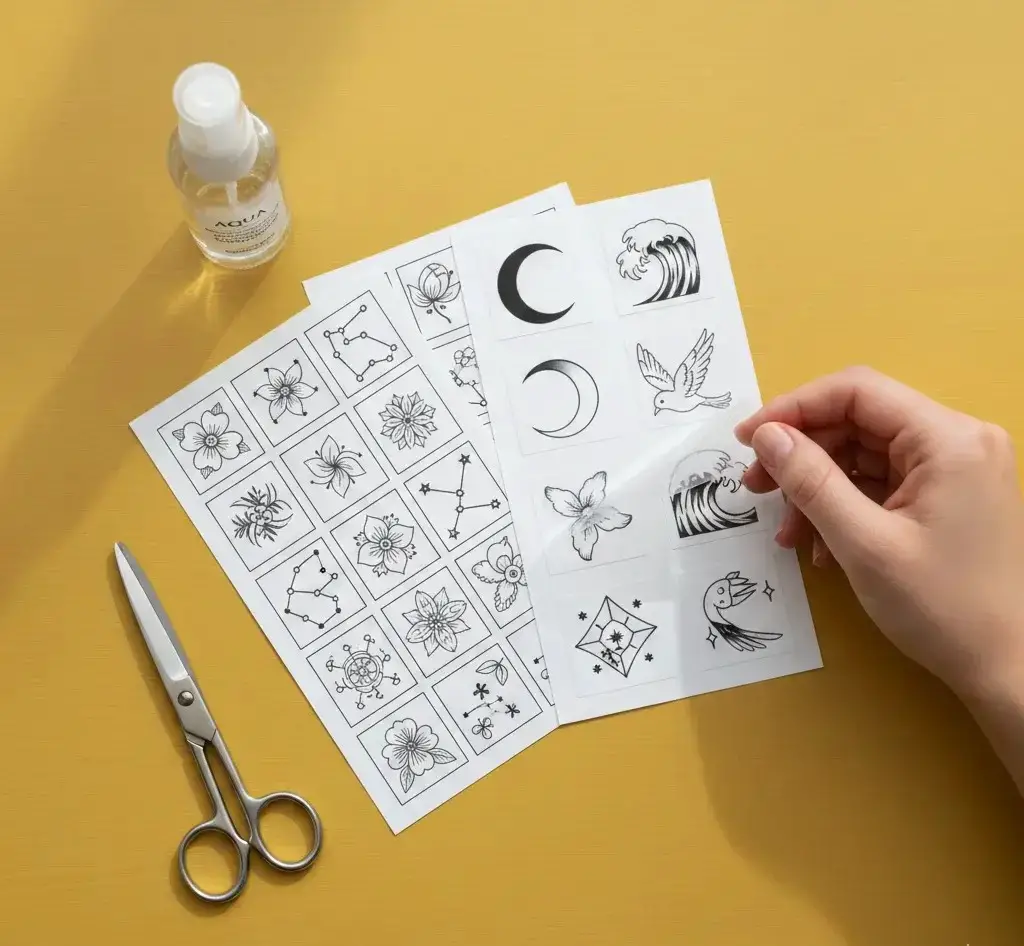
There are two main types of temporary tattoo papers: inkjet tattoo paper and laser tattoo paper.
Inkjet papers are popular because most people already have inkjet printers at home. Laser papers work with laser printers and usually give slightly sharper lines.
Some papers come with a glossy finish that looks great for colorful designs, while others have a matte layer that looks more like real tattoo ink.
Water-slide papers are excellent for detailed designs. For the most realistic finish, choose a matte, skin-tone-friendly paper with thin adhesive so the edges blend naturally into the skin.
How Can You Check If a Temporary Tattoo Paper Is Skin-Safe and Non-Toxic?
Always check the product packaging or online description for words like “cosmetic-grade,” “dermatologist-tested,” or “non-toxic.”
These terms show that the paper is safe for skin use. Good tattoo paper brands clearly list safety standards and testing results.
You should also avoid papers with strong chemical smells, which may indicate harsh ingredients. Another useful tip is reading customer reviews to see how real users reacted.
Before full application, always test a small piece on your inner arm to make sure your skin doesn’t react. If the tattoo feels itchy or burns, remove it immediately.
What Common Problems Happen When Using Temporary Tattoo Paper, and What Causes Them?
Peeling, fading, cracking, or blurry designs are common problems with temporary tattoos. These usually happen when the paper is low quality or the design was printed incorrectly.
If you apply too much water, the tattoo may smudge or stretch. Sweat and friction can also cause the tattoo to peel early.
Sometimes the adhesive layer may not stick well if your skin is oily or damp. Printing mistakes, such as using the wrong settings, can also affect the final look.
To avoid these issues, follow the instructions properly and choose papers with strong user ratings.
Why Do Temporary Tattoos Fade Quickly, and How Can You Make Them Last Longer?
Temporary tattoos fade quickly due to moisture, friction, and natural skin oils. Washing the area often or applying lotion can also break down the adhesive.
Sun exposure may lighten the colors faster. To make tattoos last longer, apply them to dry, clean skin with no lotion.
Pat the tattoo gently after applying and avoid scrubbing the area. Try not to place tattoos on spots that bend or rub against clothes.
A light dusting of baby powder or setting spray can help lock it in place. With proper care, high-quality tattoos can last 3–7 days.
What Are the Signs That Your Temporary Tattoo Paper Is Low Quality?
Low-quality paper often produces tattoos that peel within hours or look dull immediately after application. The colors may look faded, pixelated, or uneven.
The tattoo might feel sticky or uncomfortable on the skin. Cheap papers may have thick edges that don’t blend well, making the tattoo appear fake.
Another sign is when the adhesive layer doesn’t fully transfer, leaving gaps or wrinkles.
If the tattoo cracks whenever you move, the paper likely isn’t flexible. Good papers stay smooth, bright, and natural-looking.
How Do You Apply Temporary Tattoo Paper Correctly for the Best, Smoothest Results?
Start by cleaning and drying the skin completely. Print your design using the correct printer settings, then cut around the edges closely to reduce obvious borders.
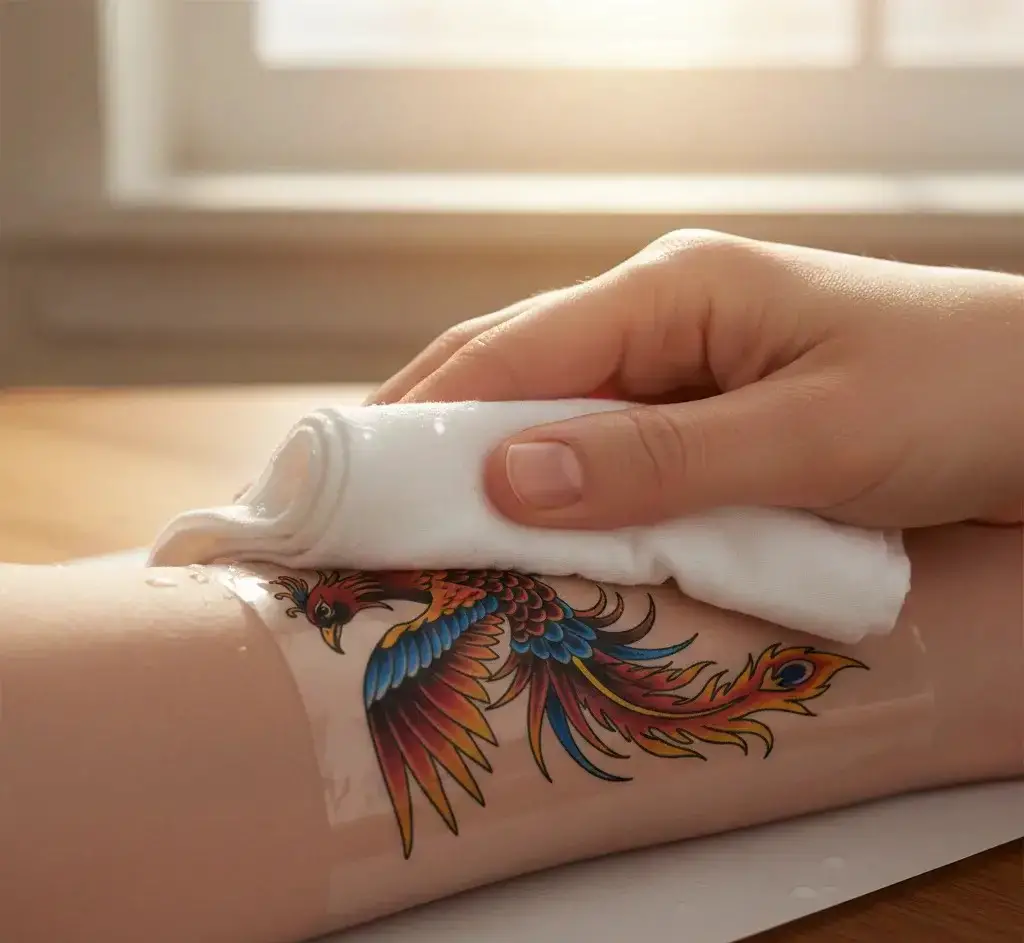
Peel the adhesive layer and place the sticky side onto your design. Press the tattoo firmly onto your skin and hold a wet cloth on the backing for about 30 seconds.
Slowly slide the backing paper off to reveal the tattoo. Pat gently with a soft cloth and let it dry for a minute. Avoid stretching the skin right after applying.
What Are the Most Helpful Aftercare Tips to Keep Temporary Tattoos Looking Fresh?
Avoid scrubbing or rubbing the tattooed area. Try not to use oils, lotions, or alcohol-based products on the tattoo, as these can break down the adhesive.
If possible, keep the tattoo away from tight clothing that may rub against it. Pat the area dry after bathing instead of wiping.
You can also use setting powder or a light setting spray to seal the tattoo. Avoid long showers, saunas, or heavy sweating.
With good aftercare, a high-quality tattoo can stay sharp and bright for several days.
How Long Does Temporary Tattoo Paper Last on the Skin, and What Affects Its Lifespan?
Most temporary tattoos made with good paper last 3–7 days. However, the lifespan depends on where you place the tattoo and how well you care for it.
Tattoos on bending areas—like wrists or ankles—usually fade faster. Sweat, swimming, and skin oils also shorten the tattoo’s life.
Using matte paper tends to last longer than glossy ones. If you prep your skin properly and avoid lotions, the tattoo usually stays cleaner and brighter.
Environmental factors like heat or humidity may also affect longevity.
What Risks Should You Know Before Using Temporary Tattoo Paper on Sensitive Skin?
People with sensitive skin may experience redness, itching, or irritation from certain adhesives. Some low-quality papers may contain dyes or chemicals that can trigger reactions
. Applying tattoos to broken or sunburned skin increases the risk of discomfort. If you have a history of allergies, always perform a patch test first.
Avoid applying tattoos near eyes or on very thin skin. Watch for any signs of swelling or burning, and remove the tattoo immediately if symptoms appear.
Using high-quality, certified safe tattoo paper reduces most risks.
Can Temporary Tattoo Paper Cause Allergic Reactions, and What Symptoms Should You Watch For?
Yes, some people may react to the adhesive or dye. Symptoms include redness, itching, rash, swelling, and a warm feeling around the tattoo.
Sometimes small bumps may appear. If the reaction is mild, washing the area with soap and water often helps.
Severe reactions may feel painful or cause the skin to peel. Always test a tiny piece on your arm before applying a full tattoo.
If symptoms worsen, consult a dermatologist. Choosing hypoallergenic paper can reduce the chances of an allergy.

What Should You Do If Your Temporary Tattoo Causes Itching, Redness, or Irritation?
Wash the area gently with mild soap and cool water to remove the tattoo. Avoid scratching the area, as this can make irritation worse.
You may apply a cold compress to calm the skin. A gentle moisturizer or aloe vera gel may help relieve redness.
If the irritation doesn’t improve in a day or two, seek medical advice. Do not reapply another tattoo on the irritated area.
Switching to hypoallergenic or dermatologist-approved papers is safer for future use.
How Can You Remove a Temporary Tattoo Safely Without Damaging the Skin?
You can remove temporary tattoos using simple household products.
Safe removal methods include:
- Rubbing gently with baby oil or coconut oil
- Using an alcohol-free makeup remover
- Applying warm soapy water and wiping softly
Avoid scrubbing aggressively or using harsh alcohol, as this can irritate the skin. If the tattoo doesn’t come off immediately, let the oil sit for a minute before wiping. Always moisturize afterward to keep the skin hydrated. Choosing good papers usually makes removal easier and smoother.
What Mistakes Do People Make When Using Temporary Tattoo Paper, and How Can You Avoid Them?
The most common mistake is forgetting to clean the skin before applying the tattoo. Oily or sweaty skin prevents the adhesive from sticking properly.
Another mistake is rushing the process and not holding the wet cloth long enough.
Some people cut the design loosely, leaving thick borders that look unnatural. Wrong printer settings may cause blurry prints.
Using too much water also causes smudging. Avoid these mistakes by following the instructions closely and working slowly and carefully.
How Do Water-Slide, Inkjet, and Laser Tattoo Papers Compare, and Which One Is Best for You?
Water-slide paper:
- Great for detailed designs
- Smooth, realistic finish
- Requires careful handling
Inkjet tattoo paper:
- Easy to use at home
- Works with most printers
- Good for colorful designs
Laser tattoo paper:
- Sharper lines
- Best for business-quality prints
- Slightly more durable
Choose the type based on your needs, printer, and design style.
What Factors Make a Temporary Tattoo Paper More Durable and Long-Lasting?
High-quality adhesive is one of the biggest factors in durability. The thickness and flexibility of the adhesive layer help the tattoo move with your skin.
Matte papers often last longer because they resist shine and friction better. A smooth, even print also increases lifespan.
Moisture resistance is another important factor—good paper won’t break down easily when exposed to sweat.
The area of application matters too; fewer bends mean longer wear. Choosing a trusted brand ensures better results.
How Can You Make DIY Temporary Tattoos Look Professional Using High-Quality Paper?
Use high-resolution images for printing so your tattoo looks clean and sharp. Cut around the design carefully to hide obvious borders.
Apply the adhesive layer smoothly without bubbles. Press the tattoo evenly on your skin and avoid moving it while applying water.
Matte finish papers often look more realistic like real tattoos. You can even dust a little powder over the design to reduce shine. Practicing a few times helps you master the technique.
What Are the Best Storage Tips to Keep Your Temporary Tattoo Paper in Good Condition?
Store tattoo paper in a cool, dry place away from sunlight. Heat and humidity can damage the adhesive layer.
Keep the paper inside its original packaging to prevent dust from sticking. Avoid bending or folding the sheets, as wrinkles can ruin the print.
If you live in a humid area, consider storing papers with moisture-absorbing packets.
Always check the paper before printing to ensure it’s not damaged. Proper storage helps maintain quality for months.
How Do Experts Recommend Testing Temporary Tattoo Paper Before Applying a Full Design?
Experts suggest printing a small sample to check color accuracy and clarity. Apply the sample to a discreet area like your inner arm to test for skin sensitivity.
Observe how the tattoo looks in natural light to see if the finish is smooth. Pay attention to how well it sticks and how long it lasts.
A patch test also helps you understand how your skin reacts to the adhesive. Doing this saves you from ruining a large design later.
What Are the Benefits of Using High-Quality Temporary Tattoo Paper for Kids and Events?
High-quality tattoo paper ensures the designs are safe and gentle for kids’ skin. These tattoos last longer during parties, school events, or festivals.
They allow children to enjoy colorful designs without irritation. Adults also love using them for themed events, photo shoots, and celebrations.
Temporary tattoos are easy to apply and remove, making them a hassle-free option.
Good paper ensures bright, long-lasting colors throughout the event. They also make great party favors or business giveaways.
How Do Humidity, Sweat, and Skincare Products Affect Temporary Tattoo Paper Results?
Humidity makes the adhesive softer, which can cause peeling or smudging. Sweat breaks down the glue faster and may fade the tattoo within hours.
Skincare products like lotion or sunscreen add oil to the skin, preventing the tattoo from sticking well.
To avoid this, apply tattoos to dry, clean areas with minimal movement.
Avoid heavy exercise or long exposure to heat. Using setting powder can help absorb moisture and extend wear time.
Can Temporary Tattoo Paper Be Used for Business Branding, Parties, or Special Events?
Yes, temporary tattoo paper is popular for businesses and events. Companies often print their logos or slogans for giveaways or marketing promotions.
For parties, you can create themed tattoos that match the celebration.
Weddings, baby showers, and festivals often include custom tattoos as fun accessories. Temporary tattoos also work as affordable branding tools for small businesses.
They’re easy to mass-produce and can be personalized for any event. Good-quality paper ensures the designs look professional.
What Safety Tips Do Dermatologists Give for Using Temporary Tattoo Paper on Sensitive Areas?
Dermatologists recommend avoiding areas with thin or delicate skin, like near the eyes. Always test a small piece before applying a full tattoo to avoid allergic reactions.
Never apply to broken or irritated skin. Use tattoos sparingly if you have eczema or very dry skin. Do not
leave the tattoo on longer than recommended. If you feel burning or intense itching, remove it immediately. Choosing hypoallergenic or dermatologist-approved papers is safest.
How Can You Prevent Smudging or Peeling When Using Temporary Tattoo Paper?
Make sure your skin is oil-free before applying the tattoo. Press the tattoo firmly and follow the correct water-application time.
Avoid bending the area right after applying. Keep away from lotions, sunscreen, or oily products. Try not to scratch or rub the tattoo.
Using a setting powder or spray helps protect it from friction. Choosing a high-quality paper also reduces peeling and smudging.