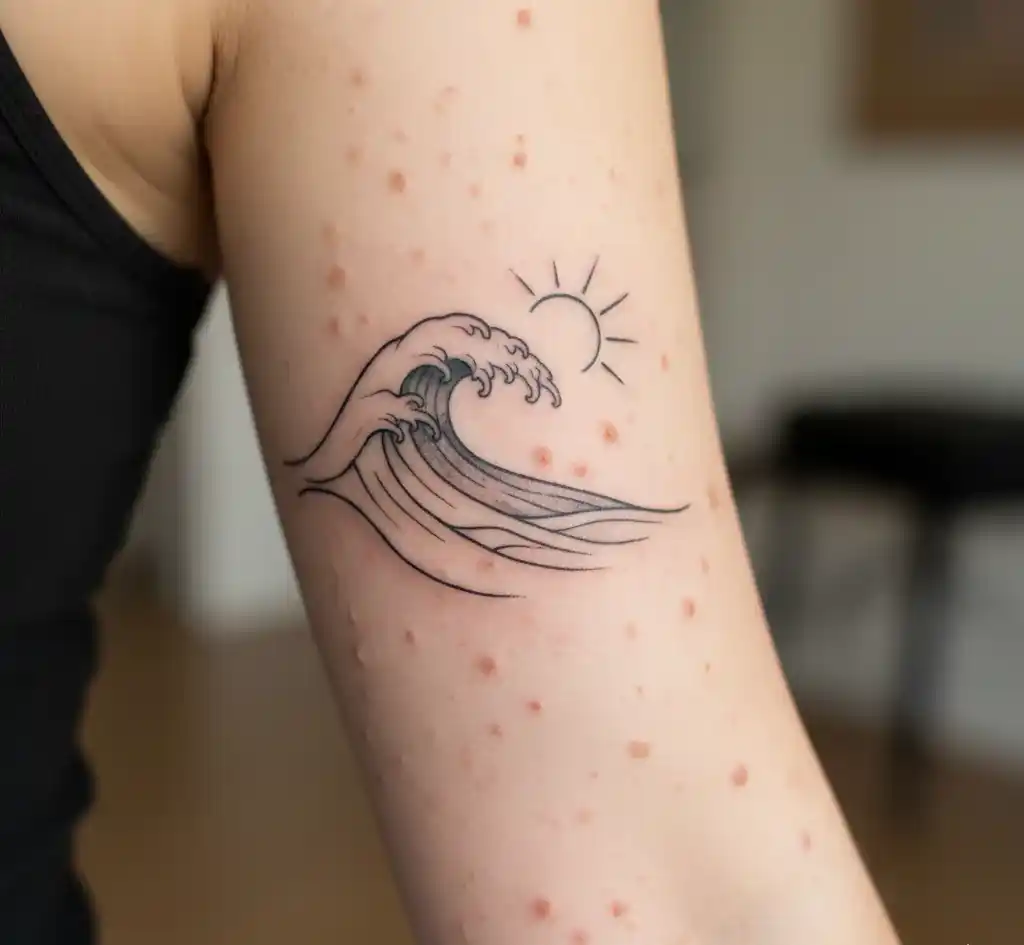
If you have rough, bumpy skin and love tattoos, one question probably keeps popping up in your mind: Can I Get A Tattoo With Keratosis Pilaris without ruining my skin or the tattoo itself?
Those tiny bumps can make you worry about pain, healing, and how the ink will look once it settles.
You might be scared that the tattoo will heal badly, look uneven, or make your skin condition worse. These concerns are completely normal, and you are not alone in thinking this way.
The good news is that many people with keratosis pilaris get tattoos safely and love the results.
The key is understanding how this skin condition behaves, when it is safe to tattoo, and what extra care your skin needs before and after the session.
In this guide, we will break everything down in the simplest way possible, so you know exactly what to expect and how to protect your skin while still getting the tattoo you want.
Can I Get A Tattoo With Keratosis Pilaris Safely?
Yes, you can usually get a tattoo with keratosis pilaris, but safety depends on the condition of your skin at the time of tattooing.
If the bumps are calm, not inflamed, and the skin feels smooth, most people tolerate tattooing well. Problems are more likely if the area is red, itchy, or irritated.
Tattoo needles create controlled trauma, so already-sensitive skin needs extra care.
Choosing an experienced artist and following proper aftercare greatly reduces risks. Healing may take slightly longer, but good preparation makes a big difference.
What Is Keratosis Pilaris And How Does It Affect Tattooed Skin?
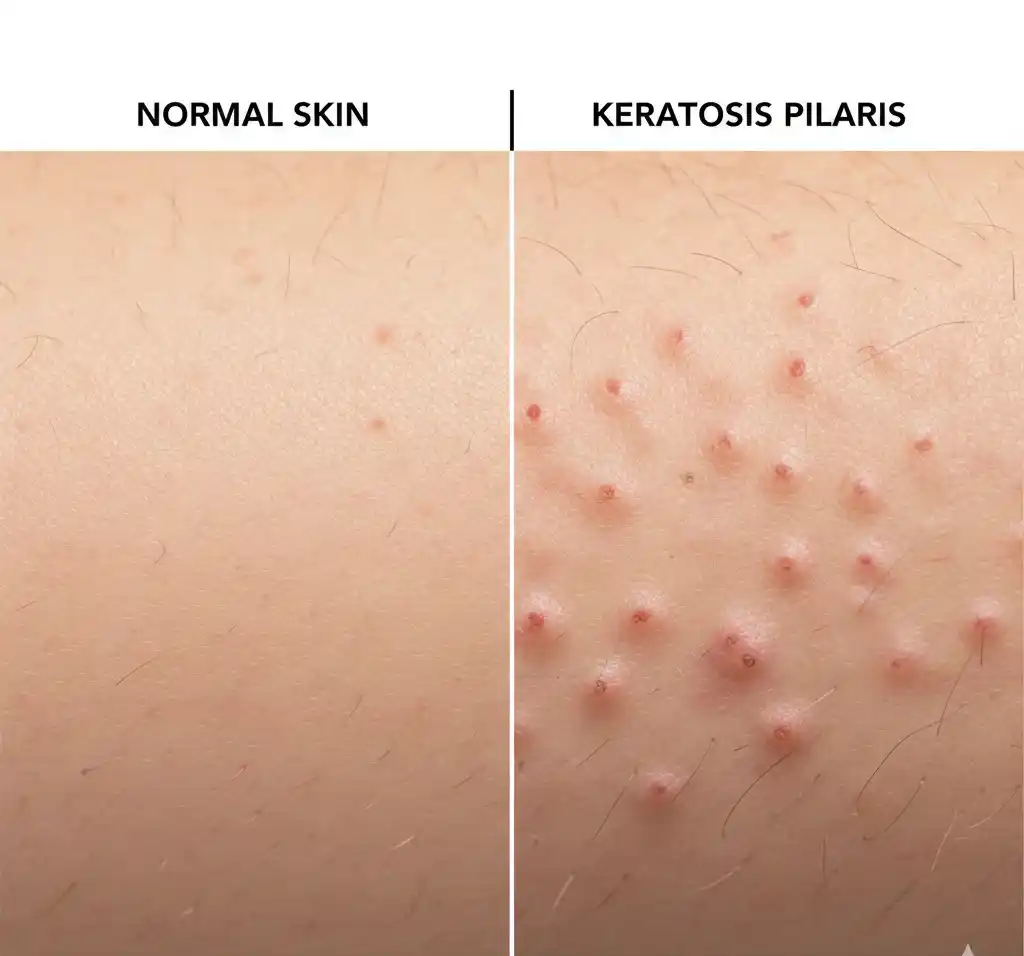
Keratosis pilaris is a common skin condition where keratin builds up and blocks hair follicles, creating small rough bumps.
These bumps often appear on arms, thighs, and sometimes buttocks. On tattooed skin, the uneven texture can affect how ink settles if the area is active.
In calm phases, tattoos usually look normal once healed. During flare-ups, the skin may react more strongly to trauma.
Understanding your own KP patterns helps you choose the right timing and placement.
What Causes Keratosis Pilaris And Can It Interfere With Tattooing?
Keratosis pilaris is caused by excess keratin that plugs hair follicles, often linked to genetics and dry skin.
Weather changes, low humidity, and harsh soaps can worsen it. When KP is active, the skin barrier is weaker and more reactive.
This can increase redness, swelling, or uneven healing after a tattoo.
Tattooing over very rough or inflamed skin may lead to patchy ink or irritation. Managing dryness before tattooing reduces interference.
What Are The Common Symptoms Of Keratosis Pilaris On Tattoo Areas?
Symptoms usually include small raised bumps, rough texture, and mild redness. Some people also notice dryness or itchiness in the affected area.
On tattooed skin, bumps may look more noticeable during healing. In most cases, these symptoms settle once the tattoo heals fully.
Severe pain, oozing, or intense redness is not normal and needs attention. Knowing what KP looks like helps you separate normal healing from irritation.
Does Keratosis Pilaris Increase Tattoo Risks Or Complications?
Keratosis pilaris can slightly increase tattoo risks, especially if the skin is actively flaring. Possible issues include prolonged redness, delayed healing, or uneven ink appearance.
There is also a higher chance of irritation if aftercare is poor. However, serious complications are rare when tattoos are done properly.
Most people with KP heal without major problems. Careful skin assessment and gentle aftercare keep risks low.
Can Tattoo Ink React With Keratosis Pilaris Bumps?
Tattoo ink itself does not usually react with keratosis pilaris. The concern is more about how the skin responds to the needle trauma. Bumps may temporarily swell or look more visible during healing.
Once inflammation settles, the skin often smooths out again. Poor-quality ink or overworking the skin can worsen irritation.
Choosing a skilled artist helps avoid unnecessary stress on KP-prone skin.
Which Body Areas Are Safer For Tattoos If You Have Keratosis Pilaris?
Some areas tend to heal better than others for people with KP. Safer options often include:
- Upper arms when KP is mild
- Forearms if bumps are minimal
- Calves or shoulders with smoother skin
Areas with constant KP flare-ups, like thighs, may be riskier. Always check the skin texture before choosing placement. A calm area gives the best results.
Should I Avoid Tattooing Over Active Keratosis Pilaris Bumps?
Yes, it is best to avoid tattooing over active, inflamed KP bumps. Tattooing over rough or irritated skin increases pain and healing time.
Ink may also heal unevenly in these spots. Waiting until the skin calms down improves results.
Moisturizing and gentle exfoliation beforehand can help smooth the area. Patience leads to better long-term tattoo quality.
How Does Tattoo Healing Progress On Skin With Keratosis Pilaris?
Tattoo healing on KP skin follows the same stages as normal skin but may be slightly slower. The initial phase includes redness and swelling, which may last a bit longer.
Scabbing and peeling can feel drier due to KP. After a few weeks, the skin usually settles and smooths out.
Full healing can take up to two months. Consistent care supports proper recovery.
Can Keratosis Pilaris Slow Down Tattoo Healing Time?
Yes, keratosis pilaris can slow healing slightly because the skin barrier is already compromised. Dryness and rough texture may delay peeling and regeneration.
This does not mean the tattoo will fail, just that it needs more attention. Keeping the skin hydrated helps speed recovery.
Avoid scratching or over-exfoliating during healing. Gentle care is key.
What Aftercare Is Best For Tattoos On Keratosis Pilaris-Prone Skin?
Aftercare should focus on moisture and protection. Helpful tips include:
- Use a fragrance-free moisturizer
- Wash gently with mild soap
- Avoid tight clothing on the tattoo
- Do not pick bumps or scabs
Consistent care reduces flare-ups and supports smooth healing. Simplicity works best.
How Can I Prepare My Skin Before Getting A Tattoo With Keratosis Pilaris?
Preparing your skin can greatly improve tattoo results. Start moisturizing daily at least two weeks before your appointment. Use gentle exfoliation to remove dead skin, but stop a few days before tattooing.
Avoid harsh treatments or new products. Drink enough water to keep skin hydrated. Healthy skin handles tattooing better.
Are Certain Tattoo Styles Or Ink Types Better For Keratosis Pilaris?
Simple, bold designs often work better on KP-prone skin. Fine lines may look uneven if bumps are present.
Black and darker inks tend to heal more consistently than very light shades.
Avoid overly detailed textures in high-KP areas. A skilled artist can adapt the design to your skin. Style choice matters for long-term appearance.
Can A Tattoo Make Keratosis Pilaris Worse Over Time?
In most cases, tattoos do not make keratosis pilaris worse permanently. Temporary flare-ups may happen during healing.
Once healed, KP usually returns to its normal pattern. Some people even notice smoother skin in tattooed areas.
Long-term worsening is uncommon. Proper care prevents unnecessary irritation.
How To Reduce Keratosis Pilaris Flare-Ups After Getting A Tattoo?
To reduce flare-ups after tattooing:
- Keep the skin moisturized
- Avoid hot showers initially
- Stay out of direct sun
- Do not scrub the area
These steps help calm the skin and protect the tattoo. Consistency matters more than products.
What Signs Of Infection Or Irritation Should I Watch For After Tattooing?
Normal healing includes mild redness and peeling. Warning signs include increasing pain, spreading redness, pus, or fever.
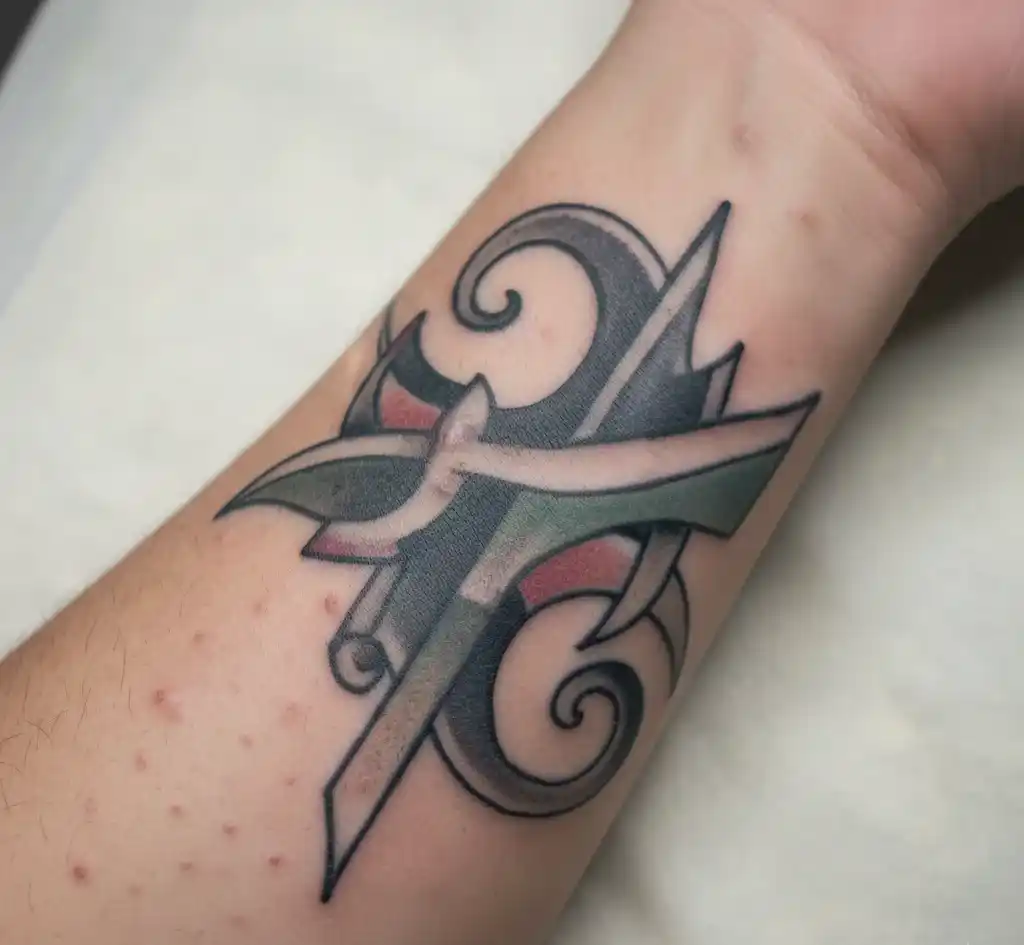
Excessive swelling or heat around the tattoo is also concerning. KP bumps alone are not signs of infection.
If symptoms worsen after a few days, seek professional advice. Early action prevents complications.
Can Moisturizing And Exfoliation Help Tattoos Heal Better With Keratosis Pilaris?
Yes, moisturizing is especially important for KP-prone skin. It reduces dryness and itching during healing. Exfoliation should only be done after the tattoo fully heals.
Gentle exfoliation helps keep bumps under control long term. Never exfoliate a fresh tattoo. Timing makes all the difference.
Should I Consult A Dermatologist Before Getting A Tattoo With Keratosis Pilaris?
Consulting a dermatologist is helpful if your KP is severe or frequently inflamed. They can advise on safe areas and skin preparation.
A professional opinion adds peace of mind. For mild KP, consultation is optional but beneficial.
It is especially useful for large or detailed tattoos. Expert guidance reduces guesswork.
What Do Professional Tattoo Artists Say About Tattooing Keratosis Pilaris Skin?
Experienced tattoo artists often say KP is manageable with proper planning. They usually recommend tattooing when the skin is calm.
Many adjust pressure and technique for sensitive skin. Honest communication helps them work safely.
Artists appreciate clients who understand their skin condition. Teamwork leads to better results.
Is Getting A Tattoo With Keratosis Pilaris Worth The Risk?
For most people, getting a tattoo with keratosis pilaris is worth it when done thoughtfully. The risks are generally low with good preparation and care.
Understanding your skin and choosing the right time matters most. Tattoos can heal beautifully on KP-prone skin. Informed decisions lead to satisfying outcomes.
Final Thoughts
Click Here To See More Blogs:
- How To Lighten A Tattoo With White Ink Safely And Correctly
- 16 Stunning Snowdrop Flower Tattoo Designs With Hidden Meanings
- Top 15 I Love You Tattoo Designs Couples Are Loving
- Can You Use A Regular Printer For Tattoo Stencils? Safe Tips & Risks Explained
- Best Tablet For Tattoo Artist: A Complete Guide For Clean, Accurate Designs
- 17 Beautiful Flower Wrist Tattoo Designs You’ll Love
- Can You Get A Tattoo Before Starting Chemo? Risks, Safety & Expert Advice
- What Does A Pink And Blue Ribbon Tattoo Mean? Symbol, Purpose & Care Guide
- 15 Best January Flower Tattoo Ideas For Meaningful Ink
- Can You Tattoo Your Balls? Risks, Pain, Healing & Expert Advice Explained
- 16 Red Tattoo On Black Women That Look Bold & Stunning
- Is Wormhole Tattoo Ink Safe For Skin? Risks, Reactions, And Care Tips Explained
- 15 Stunning Baby Tattoos For Moms You’ll Love Forever
- Playboy Bunny Tattoo Meaning: Hidden Symbolism, Culture & What It Really Represents
- 19 Meaningful God Is Greater Than Highs And Lows Tattoo Ideas
- Fresh Vs Healed Black Tattoo: What’s Normal And What’s Not?
- 18 Beautiful Side Of Hand Tattoo Ideas To Try
- Pink Panther Tattoo Meaning: Symbolism, Personality, And What It Truly Represents
- 17 Stunning Nature Tattoo Designs With Deep Meanings
- How To Sterilize Tattoo Equipment: A Complete Guide For Safe & Clean Tattooing
- How To Sterilize Tattoo Equipment: A Complete Guide For Safe & Clean Tattooing
- Is Dragonhawk A Good Tattoo Brand? Honest Review For Artists & Beginners
- How Much Is A Tapout Tattoo Session? Cost, Pain & What To Expect
- 17 Stunning Olive Tattoo Ideas You’ll Love To See Now