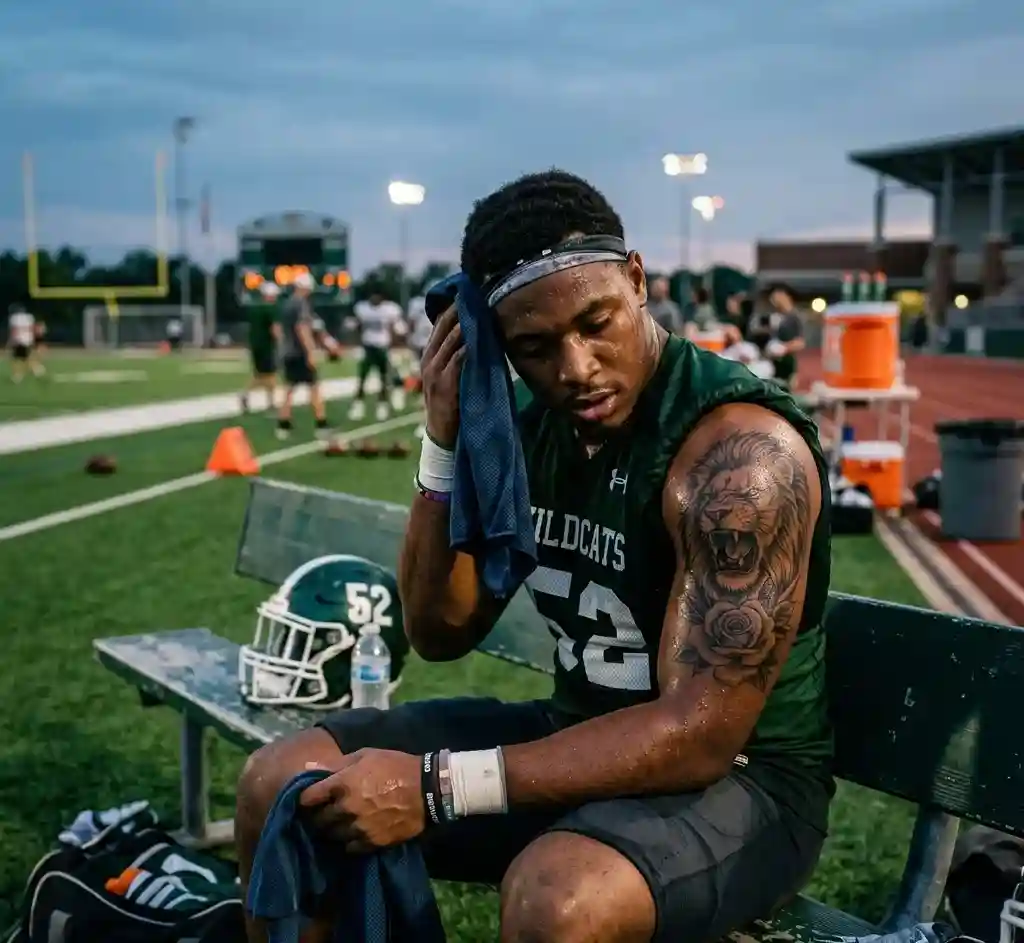
You just got a new tattoo and now you’re wondering, Can You Play Sports After Getting A Tattoo?
Many people face this question, especially if they love going to the gym, playing football, running, or doing other physical activities.
A fresh tattoo may look amazing, but your skin has actually gone through a small injury
If you return to sports too quickly, sweat, friction, and stretching can irritate the area and slow down the healing process.
Understanding Can You Play Sports After Getting A Tattoo is important if you want your tattoo to heal well and keep its sharp, vibrant look.
The good news is that you don’t have to give up sports forever you just need to give your skin the right amount of time to recover.
In this guide, you’ll learn when it’s safe to return to sports, the risks of exercising too soon, and simple tips to protect your new tattoo while staying active.
Can You Play Sports After Getting A Tattoo or Should You Wait?
Getting a new tattoo means your skin has gone through a small but real injury. The tattoo needle creates tiny punctures that need time to close and heal properly.
Playing sports right away can slow down this healing process because your body is moving, sweating, and stretching the skin.
These things may irritate the fresh tattoo and increase the chance of infection.
Most tattoo artists recommend waiting before returning to intense physical activity. Giving your body time to heal helps protect the tattoo’s color and detail.
If you rush back into sports too quickly, the design may fade or heal unevenly. Waiting a short time can make a big difference in how your tattoo looks in the long run.
How Long Should You Wait Before Playing Sports After Getting A Tattoo?
The waiting time usually depends on the tattoo’s size, location, and how your skin heals. In most cases, it is best to wait at least 48–72 hours before doing any light physical activity. However, intense sports should be avoided for longer.
General waiting guidelines include:
- Light activity (walking, gentle stretching): 2–3 days
- Moderate exercise: about 5–7 days
- Heavy workouts or contact sports: 10–14 days or more
If the tattoo is large or placed on a joint like the elbow, knee, or shoulder, you may need extra time. Always check that the tattoo is no longer swollen, sore, or leaking before returning to sports. Healing speed can vary from person to person.
Why Is It Risky To Play Sports Right After Getting A Tattoo?
Playing sports too soon can expose a fresh tattoo to several problems. A new tattoo is like an open wound, and it needs protection while the skin repairs itself. Sports environments often involve sweat, bacteria, and constant movement.
Common risks include:
- Infection from bacteria in gyms, fields, or shared equipment
- Excessive sweating, which can irritate healing skin
- Friction from clothing, causing redness or scabbing
- Stretching of the skin, which may distort the design
When the tattoo area is stressed before it heals, the ink may settle unevenly. This can affect the clarity and brightness of the artwork. Taking a break from sports helps the tattoo heal cleanly and smoothly.
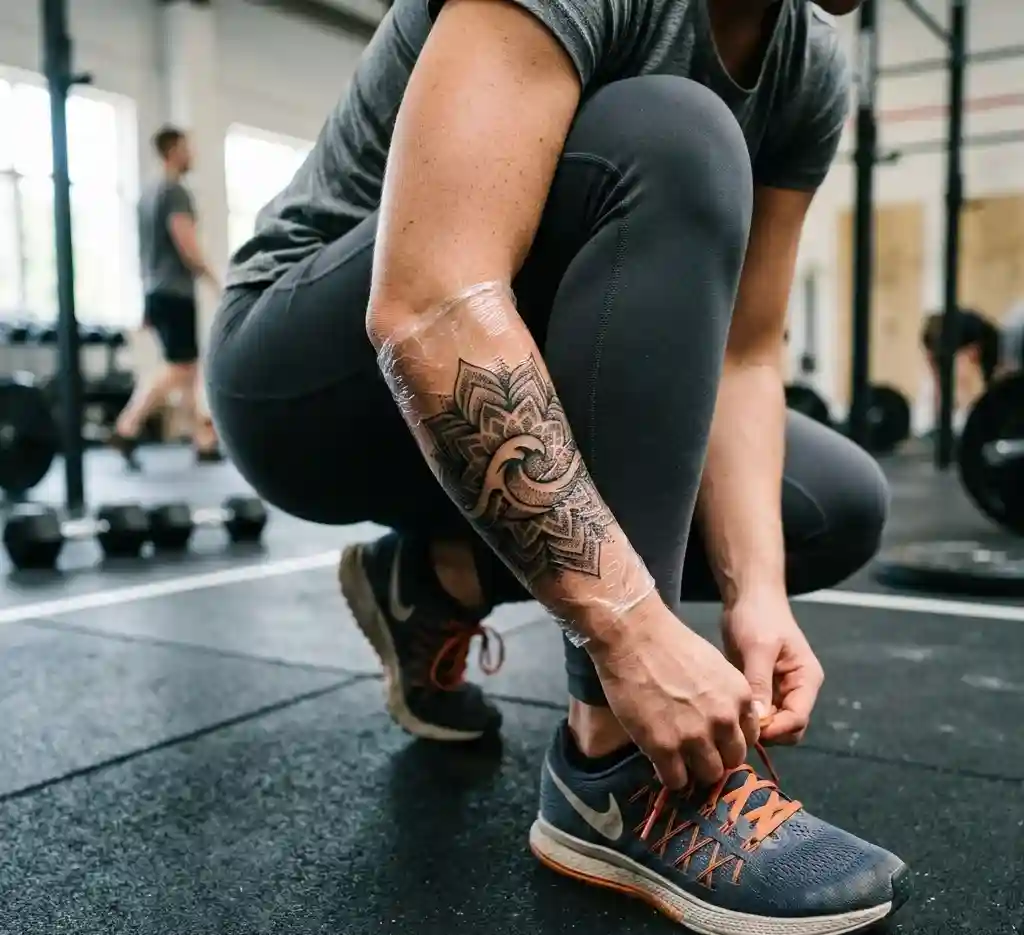
What Can Happen If You Play Sports Too Soon After Getting A Tattoo?
Returning to sports immediately after getting tattooed can cause several unwanted complications. The skin is still sensitive and vulnerable during the early healing stage.
Possible problems include:
- Ink fading or patchy healing
- Increased swelling and redness
- Delayed healing time
- Higher risk of infection
- Excessive scabbing or peeling
These issues can affect both your health and the final appearance of the tattoo. If irritation becomes severe, you might even need medical treatment. Allowing the tattoo to heal properly reduces these risks and protects the artwork.
Can Sweat Damage Your Tattoo If You Play Sports After Getting A Tattoo?
Sweat itself does not directly remove tattoo ink, but it can still cause problems during the healing phase.
When you exercise, sweat mixes with bacteria from the skin and the surrounding environment. This mixture can irritate the fresh tattoo and increase infection risk.
Sweat can also soften the scabs that form during healing. If those scabs fall off too early, the ink may pull out with them.
This can leave light spots in the tattoo. In addition, heavy sweating may cause itching and redness around the area.
For these reasons, it is best to limit activities that make you sweat heavily during the first week.
Can Friction From Sports Clothing Affect Your Tattoo Healing?
Yes, friction is one of the biggest problems for athletes with new tattoos. Tight sports clothing can rub against the tattoo repeatedly during movement. This rubbing can irritate the skin and slow down the healing process.
Common issues caused by friction include:
- Redness and irritation
- Scabs being pulled off early
- Blurred tattoo lines
- Increased discomfort
Loose, breathable clothing is much safer while your tattoo heals. Soft fabrics allow air to reach the skin and reduce rubbing. If the tattoo is in an area that experiences constant movement, it may need extra time before returning to sports.
Which Sports Are Safe After Getting A Tattoo And Which Should Be Avoided?
Some sports are less stressful on a new tattoo, while others can seriously affect healing. Low-impact activities are generally safer during the early healing stage.
Safer activities (after a few days):
- Light walking
- Gentle yoga
- Easy stretching
Sports to avoid for at least 1–2 weeks:
- Football or rugby
- Martial arts
- Swimming
- Intense weightlifting
- Long-distance running
These activities involve heavy sweating, physical contact, or exposure to bacteria. Waiting until the tattoo heals reduces the risk of complications.
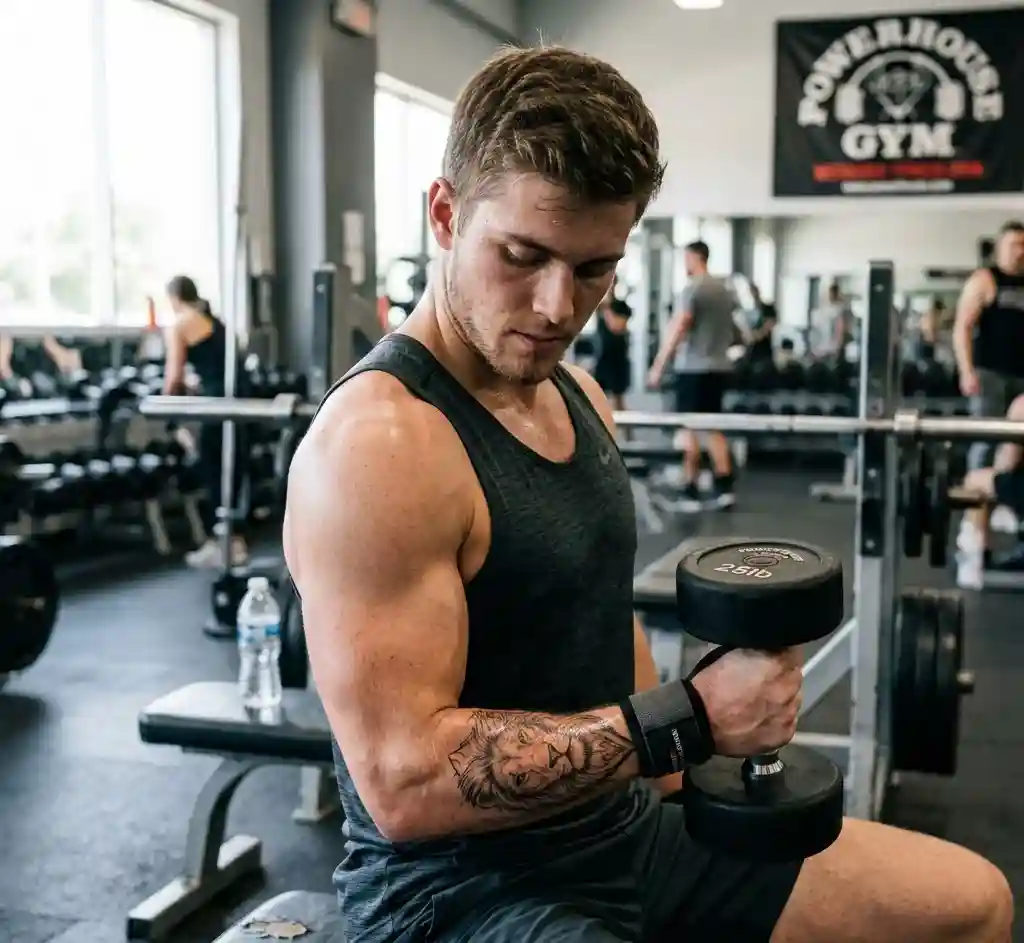
Is It Safe To Go To The Gym After Getting A Tattoo?
The gym can be a risky place for a fresh tattoo because many people use the same equipment. Sweat, bacteria, and constant touching increase the chance of infection. If you decide to go to the gym after a few days, choose exercises that do not put pressure on the tattooed area.
You should also:
- Clean equipment before use
- Avoid exercises that stretch the tattoo
- Keep the tattoo covered with loose clothing
- Shower soon after your workout
These steps can help reduce irritation and protect the healing skin.
Can Playing Contact Sports Damage A Fresh Tattoo?
Contact sports can easily damage a new tattoo. Activities like football, wrestling, or basketball involve physical contact that can hit or scrape the tattooed skin. Even a small impact can reopen the healing area.
If the tattoo gets bumped or scratched:
- The skin may tear slightly
- Ink may spread or fade
- Healing may take longer
In severe cases, the tattoo might require touch-ups later. Avoiding contact sports for at least two weeks is usually the safest choice.
What Are The Signs Your Tattoo Is Not Ready For Sports Yet?
Before returning to sports, check your tattoo carefully. Certain signs show that your skin is still healing and needs more time.
Look for these warning signs:
- Redness or swelling
- Warm skin around the tattoo
- Oozing fluid or ink
- Heavy scabbing
- Pain when the area moves
If any of these symptoms are present, it is best to wait a little longer before exercising. Starting too early may worsen the irritation.
What Are The Healing Stages To Consider Before Playing Sports After Getting A Tattoo?
Tattoo healing happens in several stages. Understanding these stages can help you decide when it is safe to return to sports.
Typical healing stages:
- Days 1–3: Skin is red, swollen, and sensitive.
- Days 4–7: Scabbing and itching may begin.
- Days 8–14: Peeling skin starts to clear.
- Weeks 3–4: Skin mostly heals on the surface.
During the early stages, the tattoo needs the most protection. Once the peeling stops and the skin looks calm, it is usually safer to resume normal activity.
How Can You Protect Your Tattoo If You Need To Play Sports?
If you must play sports during the healing period, you should take extra precautions. Protecting the tattoo helps reduce irritation and prevents damage.
Helpful tips include:
- Wear loose, breathable clothing
- Avoid exercises that stretch the tattoo area
- Clean the tattoo gently after activity
- Apply recommended tattoo aftercare ointment
- Keep the tattoo dry and clean
These steps help maintain healthy healing even if some activity is unavoidable.
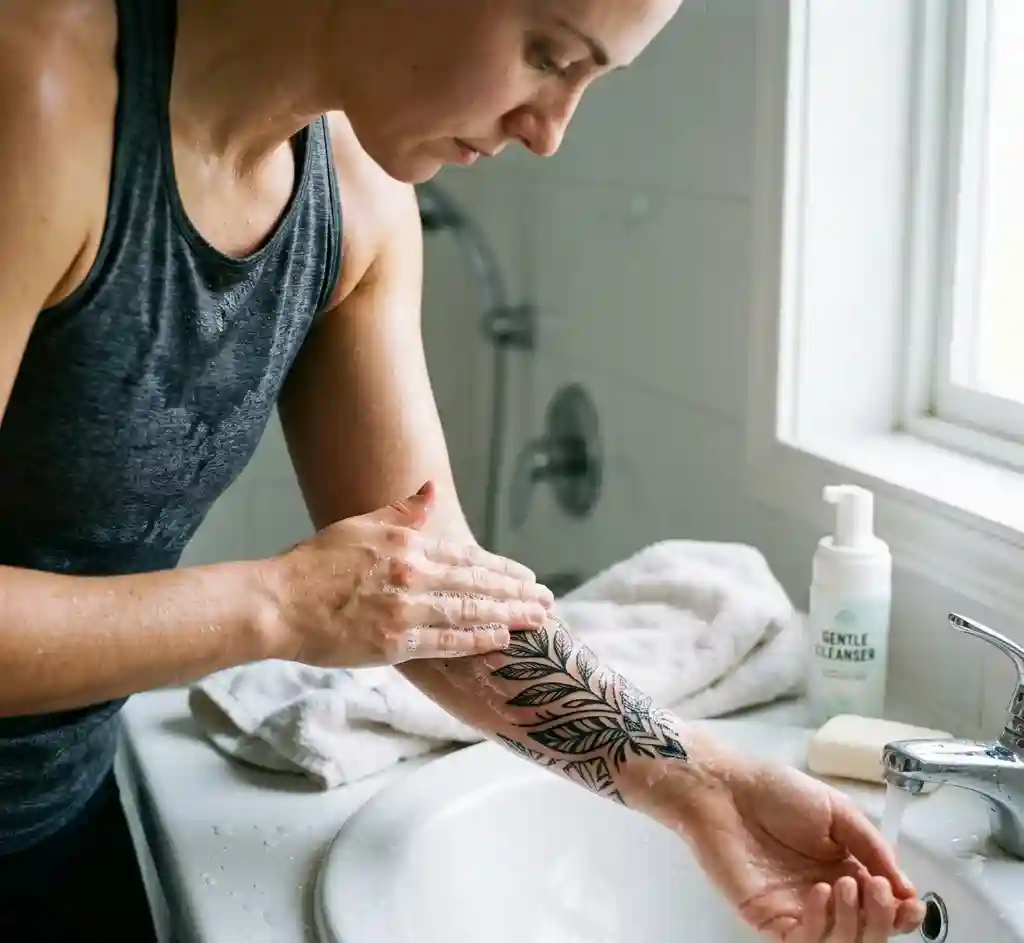
What Tattoo Aftercare Steps Should Athletes Follow?
Athletes often sweat more and move frequently, so proper tattoo aftercare becomes even more important.
Essential aftercare practices include:
- Wash the tattoo with mild, fragrance-free soap
- Pat the area dry with a clean towel
- Apply a light layer of tattoo moisturizer
- Avoid soaking the tattoo in water
- Keep the tattoo away from dirt and bacteria
Consistent aftercare keeps the tattoo clean and helps the skin repair itself faster.
Can Stretching Or Muscle Movement Affect A New Tattoo?
Yes, stretching muscles can affect a fresh tattoo, especially if the design is placed over a joint or large muscle group.
When the skin stretches repeatedly, it can pull on the healing tissue. This may cause discomfort and slow down recovery.
Constant movement may also disturb scabs forming over the tattoo. If those scabs break or fall off early, the ink may heal unevenly.
For tattoos on areas like the shoulder, thigh, or calf, limiting intense movement during the first week is very helpful.
How Does Sweating Affect Tattoo Healing During Sports?
Sweating can make healing more difficult because it keeps the skin moist for long periods. A damp environment can encourage bacteria to grow. This increases the risk of infection or irritation.
Sweat may also:
- Cause itching and redness
- Soften healing scabs
- Increase rubbing from clothing
Keeping the tattoo clean and dry after exercise is very important. A quick shower and gentle cleaning can help remove sweat and protect the skin.
What Should You Do If Your Tattoo Gets Irritated During Sports?
If you notice irritation during or after sports, it is important to act quickly. Ignoring the problem can lead to infection or long-term damage to the tattoo.
Steps to take include:
- Stop the activity immediately.
- Clean the tattoo gently with mild soap.
- Let the skin dry naturally.
- Apply a recommended healing ointment.
- Avoid sports until the irritation disappears.
If redness or swelling continues for several days, it may be wise to consult a doctor or professional tattoo artist.
How Can You Prevent Infection When Returning To Sports With A New Tattoo?
Preventing infection should always be a top priority. Sports environments often expose skin to bacteria, dirt, and sweat.
To stay safe:
- Wash your hands before touching the tattoo
- Avoid sharing towels or clothing
- Clean gym equipment before use
- Keep the tattoo covered with loose clothing
- Shower after workouts
These simple habits can significantly lower the chance of infection while your tattoo heals.
What Do Tattoo Artists Recommend About Playing Sports After Getting A Tattoo?
Most professional tattoo artists advise clients to avoid intense physical activity for at least one to two weeks.
They understand how movement, sweat, and friction can affect healing. Artists usually recommend resting the tattooed area until the skin begins to peel and settle.
They also suggest following the aftercare instructions carefully. Every tattoo artist may have slightly different recommendations based on the tattoo’s size and location.
Listening to professional advice helps ensure the tattoo heals correctly and maintains its sharp details.
When Is It Completely Safe To Resume Sports After Getting A Tattoo?
For most people, it becomes safer to return to regular sports activities after about two to three weeks.
By this time, the outer layer of skin is usually healed. The tattoo should no longer be swollen, painful, or scabbing.
However, deeper healing inside the skin can still continue for several weeks.
It is best to increase activity gradually rather than jumping back into intense workouts immediately. Paying attention to how your body feels can help prevent irritation.
What Are The Best Tips For Athletes With A New Tattoo?
Athletes can still enjoy sports while protecting their tattoos by following a few smart habits.
Best tips include:
- Give your tattoo enough time to heal before intense workouts
- Wear loose and breathable clothing
- Keep the tattoo clean and moisturized
- Avoid swimming pools and hot tubs during early healing
- Listen to your body if the tattoo feels sore
Taking care of a new tattoo does not mean giving up sports forever. With patience and proper care, you can keep both your tattoo and your active lifestyle in great condition.