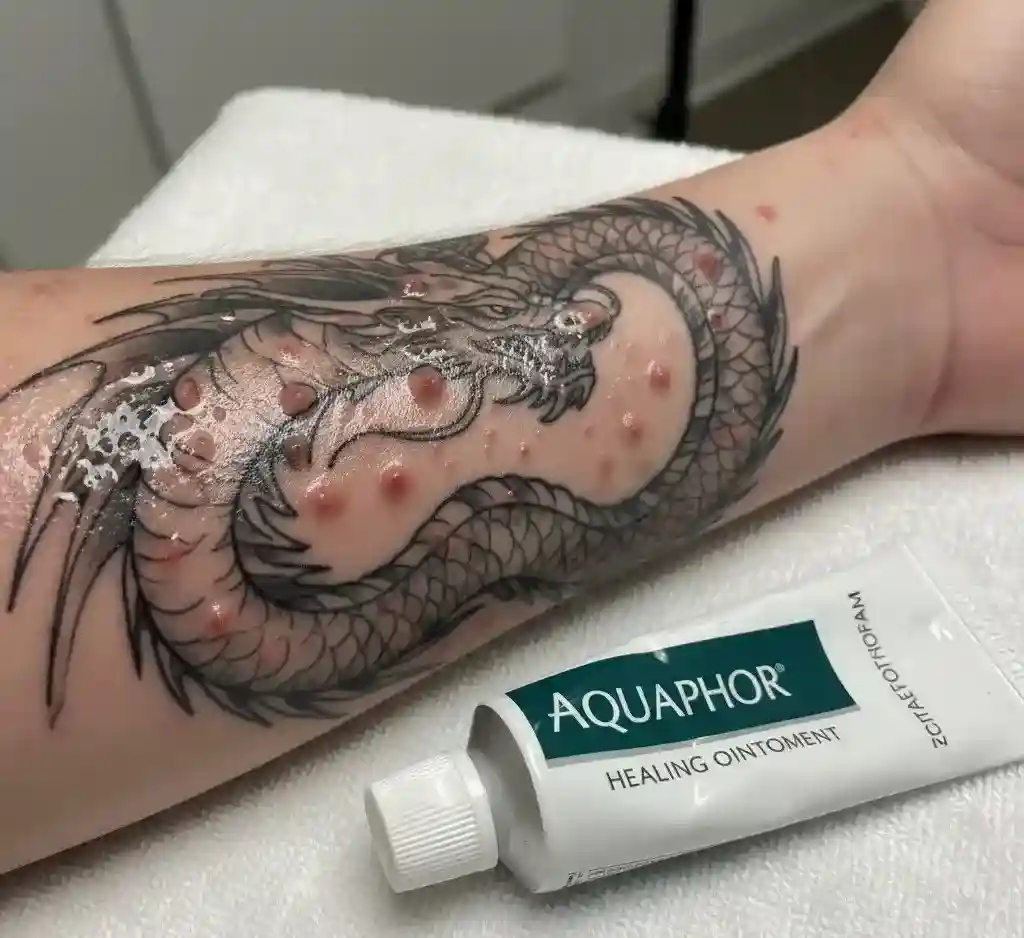
Did you just get a new tattoo and now you’re noticing small pimples or bumps forming around it? That can be scary, especially when you’re doing everything you were told to do for proper aftercare.
Many people use Aquaphor because it’s commonly recommended, but this often leads to one big question: Does Aquaphor Cause Pimples On New Tattoos?
If you’re worried that something is going wrong with your healing tattoo, you’re not alone.
The truth is, Aquaphor can help protect a fresh tattoo, but using it the wrong way can sometimes cause clogged pores and tiny breakouts.
New tattooed skin is very sensitive, and heavy products can trap sweat and bacteria if applied too thick.
In this guide, you’ll learn why these pimples happen, whether they’re dangerous, and how to fix the problem without harming your tattoo.
Everything is explained in the simplest way, so you can heal your tattoo safely and with confidence.
Does Aquaphor Cause Pimples on New Tattoos?
Yes, Aquaphor can sometimes cause pimples on new tattoos, especially if it is applied too thickly or too often. Aquaphor is a heavy, petroleum-based ointment that creates a barrier on the skin.
While this barrier helps lock in moisture, it can also trap sweat, bacteria, and dead skin cells. On freshly tattooed skin, which is already sensitive and healing, this trapped buildup may lead to clogged pores.
When pores get blocked, small pimples or whiteheads can form. This reaction is fairly common and does not always mean something is wrong with your tattoo.
Why Do Pimples Appear After Using Aquaphor on a Fresh Tattoo?
Pimples appear mainly because Aquaphor is very thick and occlusive. New tattoos need oxygen to heal properly, but a heavy layer can limit airflow.
When sweat and natural oils cannot escape, bacteria may multiply under the ointment. This creates the perfect environment for tiny breakouts.
In warm weather or on areas that rub against clothing, the risk becomes even higher. Overuse is one of the biggest reasons people experience this issue.
Is Aquaphor Too Thick for New Tattoo Healing?
Aquaphor is helpful in the very early stage of healing, but it can be too thick if used for too long. During the first one to two days, it helps protect the open skin.
After that, the tattoo begins to scab and peel, and heavy ointments may slow this process. Thick layers can soften scabs too much and block pores.
Many tattoo artists recommend switching to a lighter, fragrance-free lotion after the initial healing phase. This helps the skin breathe while still staying moisturized.
How Does Aquaphor Clog Pores on Tattooed Skin?
Aquaphor works by sealing moisture into the skin, but this sealing effect can also trap unwanted elements.
- It locks in sweat under the surface
- Dead skin cells cannot shed properly
- Natural oils build up around hair follicles
- Bacteria get stuck in blocked pores
On freshly tattooed skin, pores are more vulnerable. When these factors combine, clogged pores turn into small pimples or bumps around the tattooed area.
Are Tattoo Pimples a Sign of Infection or Just a Reaction to Aquaphor?
Most of the time, pimples from Aquaphor are not a sign of infection. They are usually small, painless, and look like whiteheads or tiny red bumps.
An infection, however, comes with severe redness, swelling, warmth, pus, and increasing pain.
Pimples caused by ointment usually stay on the surface and fade when the product use is adjusted. If symptoms worsen or spread quickly, medical advice should be sought.
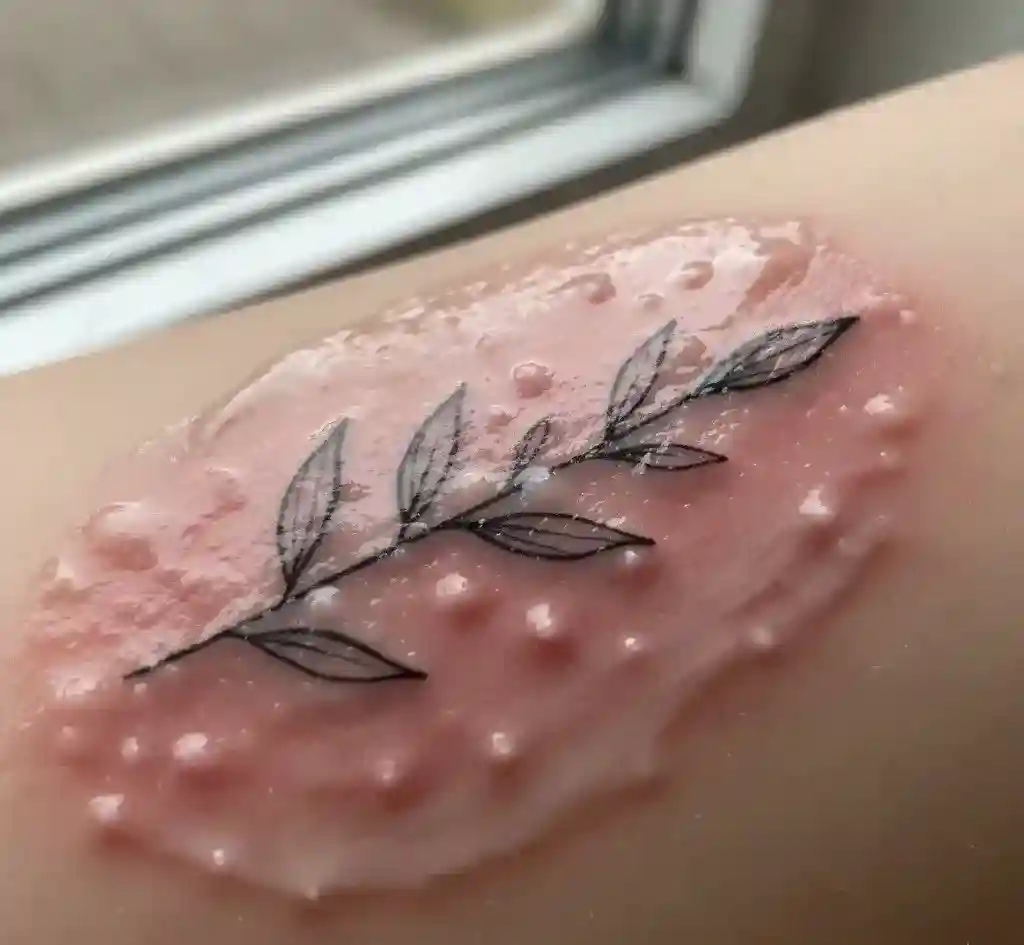
What Do Pimples from Aquaphor on a Tattoo Look Like?
These pimples are usually small and mild in appearance. They may be white, flesh-colored, or slightly red. Most do not hurt or itch much, though mild irritation can occur.
They often appear around hair follicles or along the edges of the tattoo. Unlike infected bumps, they do not ooze yellow or green fluid. Their size remains small and does not increase rapidly.
When Do Pimples Usually Show Up After Applying Aquaphor?
Pimples often appear within three to five days after starting Aquaphor. This timing matches the stage when the skin begins producing oil again.
As the tattoo heals, sweat glands and pores become more active.
If Aquaphor is still applied heavily during this stage, pores can clog easily. Hot weather, exercise, and tight clothing can make pimples appear sooner.
Can Overusing Aquaphor Make Tattoo Breakouts Worse?
Yes, overuse can significantly worsen breakouts. Applying Aquaphor several times a day in thick layers prevents the skin from breathing.
Instead of helping, it keeps the skin overly moist. This can lead to more clogged pores and extended healing time.
A thin layer is always enough. More product does not mean better healing.
Is It Normal to Get Whiteheads on a New Tattoo?
Whiteheads can be normal during tattoo healing, especially when using heavy ointments. The skin is stressed and reacts easily to products.
Whiteheads usually mean pores are blocked, not that the tattoo is damaged.
They often clear up once aftercare is adjusted. Keeping the area clean and using lighter moisturizers usually helps resolve them quickly.
Should You Stop Using Aquaphor If Pimples Appear on Your Tattoo?
If pimples appear, it is usually best to reduce or stop Aquaphor use. Switching to a lightweight, fragrance-free lotion can help.
Before changing products, gently wash the tattoo with mild soap and let it dry completely. Avoid scrubbing or picking at pimples. Most breakouts improve within a few days after the change.
How Long Do Aquaphor-Related Pimples Last on Tattoos?
These pimples usually last a few days to a week. Once the pores clear and the skin adjusts, they fade on their own.
Proper aftercare speeds up healing. Keeping the area clean, dry, and lightly moisturized helps prevent recurrence. If pimples last longer than two weeks, further evaluation may be needed.
What Is the Right Way to Apply Aquaphor on a New Tattoo?
The correct method is simple but important:
- Apply only a very thin layer
- Use clean hands every time
- Gently pat, do not rub harshly
- Limit use to the first 1–2 days
This approach protects the tattoo without clogging pores or slowing healing.
How Much Aquaphor Should You Use to Avoid Pimples?
A pea-sized amount is usually enough for a palm-sized tattoo. The skin should look slightly shiny, not greasy.
If the tattoo feels sticky or wet, too much has been applied. Excess ointment should be gently wiped off with clean tissue. Less product allows better airflow and healing.
Can Aquaphor Trap Bacteria and Slow Tattoo Healing?
Yes, when overused, Aquaphor can trap bacteria. The sealed environment may delay scab formation and peeling.
This can extend healing time and increase irritation. While Aquaphor itself is not harmful, misuse creates problems. Balanced aftercare is key to healthy healing.
Are Some Skin Types More Likely to Break Out from Aquaphor?
People with oily or acne-prone skin are more likely to experience pimples. Sensitive skin can also react poorly to heavy ointments.
Those who sweat heavily may notice faster breakouts. Dry skin types usually tolerate Aquaphor better but still need moderation. Knowing your skin type helps you choose the right aftercare product.
What Are the Best Alternatives to Aquaphor for New Tattoos?
Good alternatives include:
- Fragrance-free lightweight lotions
- Tattoo-specific aftercare creams
- Unscented moisturizing gels
These options hydrate without sealing the skin too tightly. They reduce the risk of clogged pores while supporting healing.
How Can You Treat Pimples on a New Tattoo Safely?
Treatment should be gentle and simple:
- Wash with mild, fragrance-free soap
- Stop heavy ointments
- Use a light moisturizer
- Keep the area clean and dry
Never pop or scratch pimples, as this can damage the tattoo.
What Should You Never Put on Pimples Over a Fresh Tattoo?
Avoid harsh products such as acne creams, alcohol, hydrogen peroxide, and scented lotions.
These can irritate healing skin and fade ink. Home remedies like toothpaste or oils should also be avoided. Fresh tattoos need gentle care only.
How Can You Prevent Pimples While Moisturizing a New Tattoo?
Prevention starts with proper application. Always use thin layers and wash the tattoo before moisturizing. Avoid tight clothing that traps sweat.
Let the skin breathe between applications. Switching products at the right time also helps prevent clogged pores.
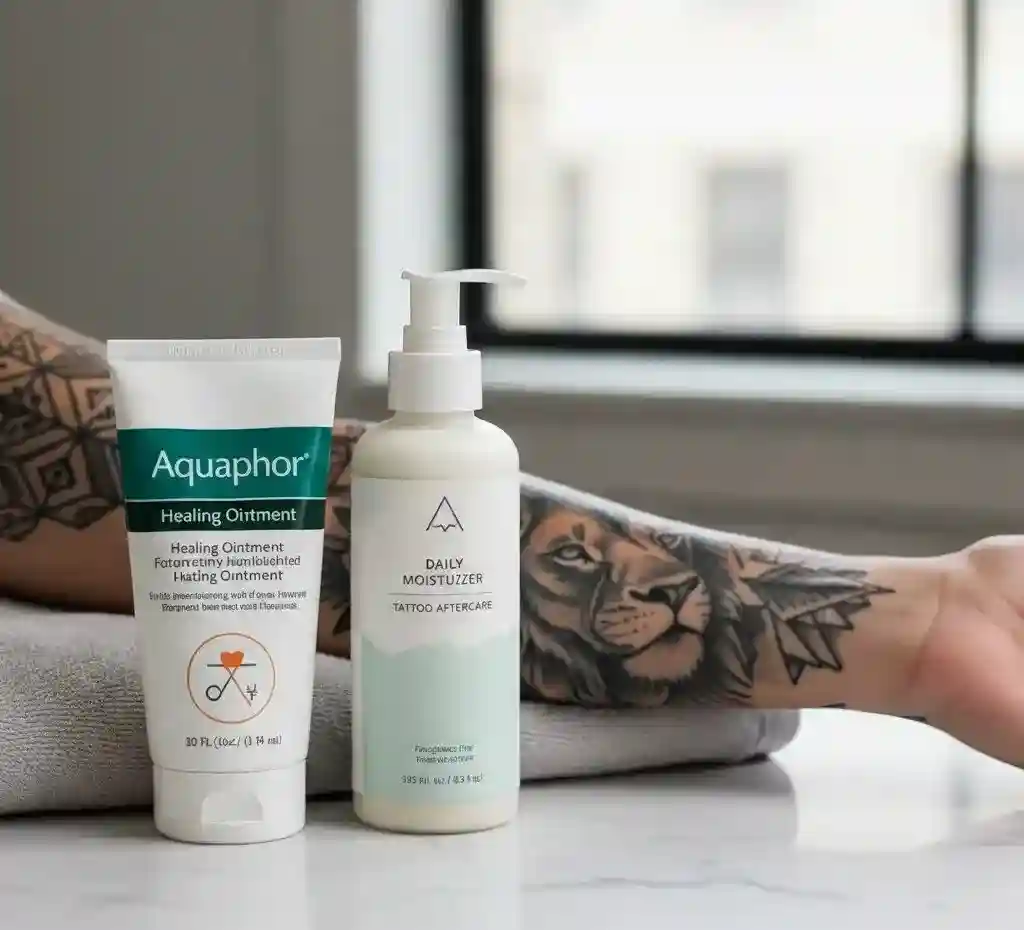
Does Switching to a Lighter Lotion Help Tattoo Pimples Heal Faster?
Yes, lighter lotions often help pimples clear faster. They allow airflow and reduce moisture buildup. The skin heals more naturally and evenly.
Many people notice improvement within a few days of switching. This also supports better ink settling.
Can Tattoo Pimples Affect Ink Healing or Final Results?
Mild pimples usually do not affect the final tattoo. However, severe irritation or picking can damage healing skin.
This may cause patchy ink or faded spots. Proper care prevents long-term issues. Gentle treatment ensures clean and even healing.
When Should You See a Tattoo Artist or Doctor About Tattoo Pimples?
You should seek help if pimples become painful, spread rapidly, or produce pus.
Fever, redness extending beyond the tattoo, or severe swelling are warning signs. A tattoo artist can also guide aftercare adjustments. Early advice prevents complications.
What Do Professional Tattoo Artists Say About Aquaphor Use?
Most tattoo artists recommend Aquaphor only for short-term use. They stress using very thin layers and switching products early.
Artists often see breakouts caused by overuse. Their advice focuses on balance rather than heavy moisturizing.
How Long Should Aquaphor Be Used During Tattoo Healing?
Aquaphor is best used for the first 24 to 48 hours only. After that, lighter moisturizers are safer.
Extended use increases the risk of clogged pores. Following a staged aftercare routine supports smoother healing.
What Is the Safest Aftercare Routine to Avoid Pimples on New Tattoos?
The safest routine includes gentle washing, light moisturizing, and allowing airflow. Use fragrance-free products and clean hands.
Avoid over-moisturizing and tight clothing. Listening to your skin and adjusting care as it heals helps prevent pimples and ensures a healthy tattoo result.