How Do I Know If My Tattoo Is Infected or Just Healing Normally?
It’s normal to feel unsure during the first few days after getting a tattoo because healing and infection can look similar at the start.
A healing tattoo usually has mild redness, slight swelling, tenderness, and clear fluid for the first 24–48 hours. An infected tattoo, however, gets worse instead of better as days pass.
If pain increases, redness spreads, or the skin feels hot to the touch, that’s a warning sign. Normal healing improves daily, while infection shows ongoing irritation.
Paying attention to changes over time is the key difference. Trust your body—healing feels uncomfortable but manageable, not alarming. If symptoms escalate instead of calming down, infection is more likely.
What Are the Early Signs of an Infected Tattoo I Should Not Ignore?
Early signs of a tattoo infection often start subtly but become noticeable quickly. Persistent redness that spreads beyond the tattooed area is a major red flag.
Increasing pain after day three is another warning sign. Swelling that doesn’t go down or becomes firm should not be ignored.
Yellow or green discharge is not normal healing fluid. A bad smell coming from the tattoo is also a sign of infection.
Skin that feels unusually hot can indicate bacteria under the surface. Early detection matters because infections are much easier to treat at this stage.
What Does an Infected Tattoo Look Like Compared to Normal Irritation?
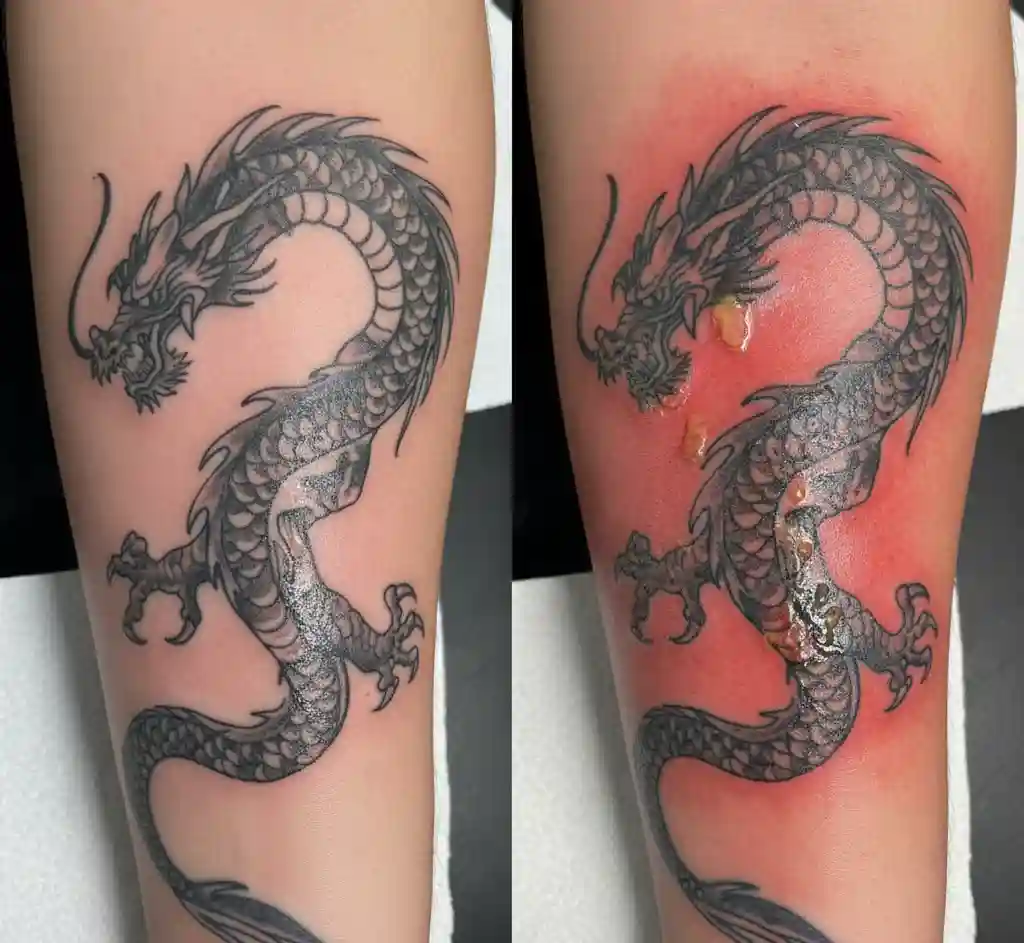
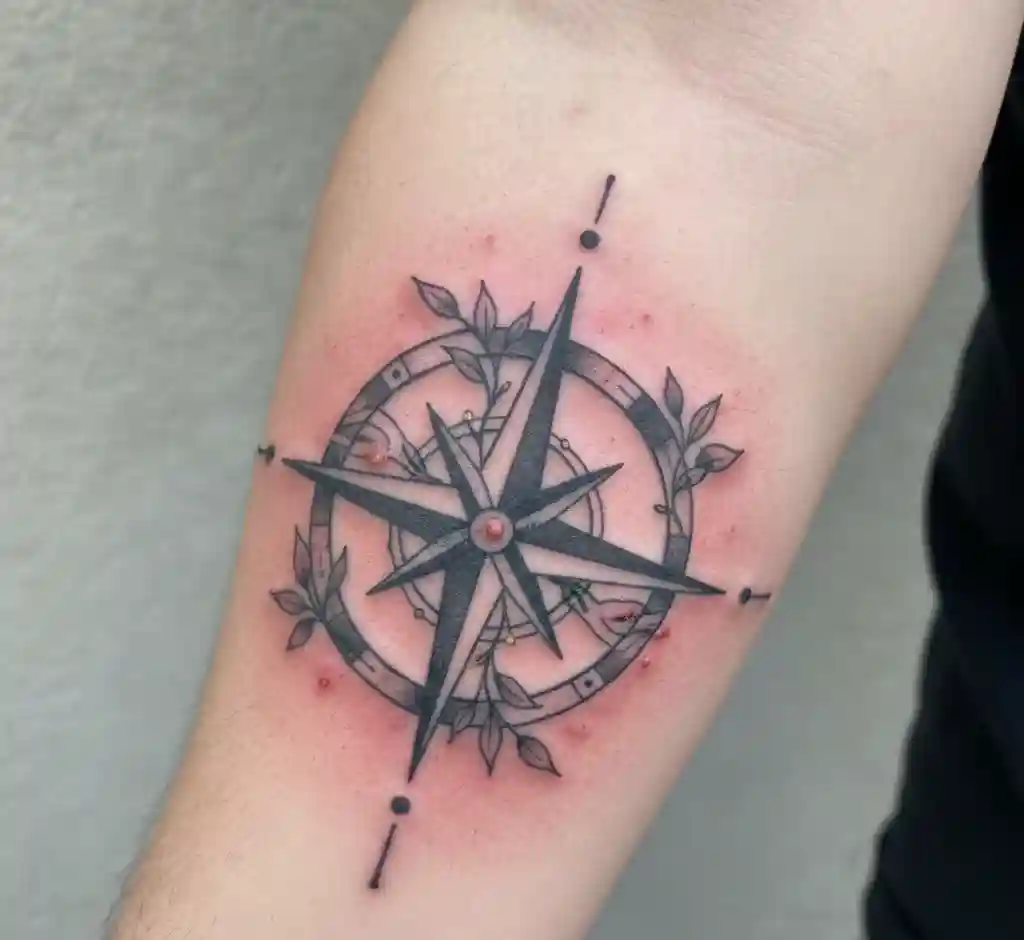
A normally irritated tattoo looks slightly red, shiny, and mildly swollen, especially during the first few days. An infected tattoo looks angry and inflamed, often with deep redness that spreads outward.
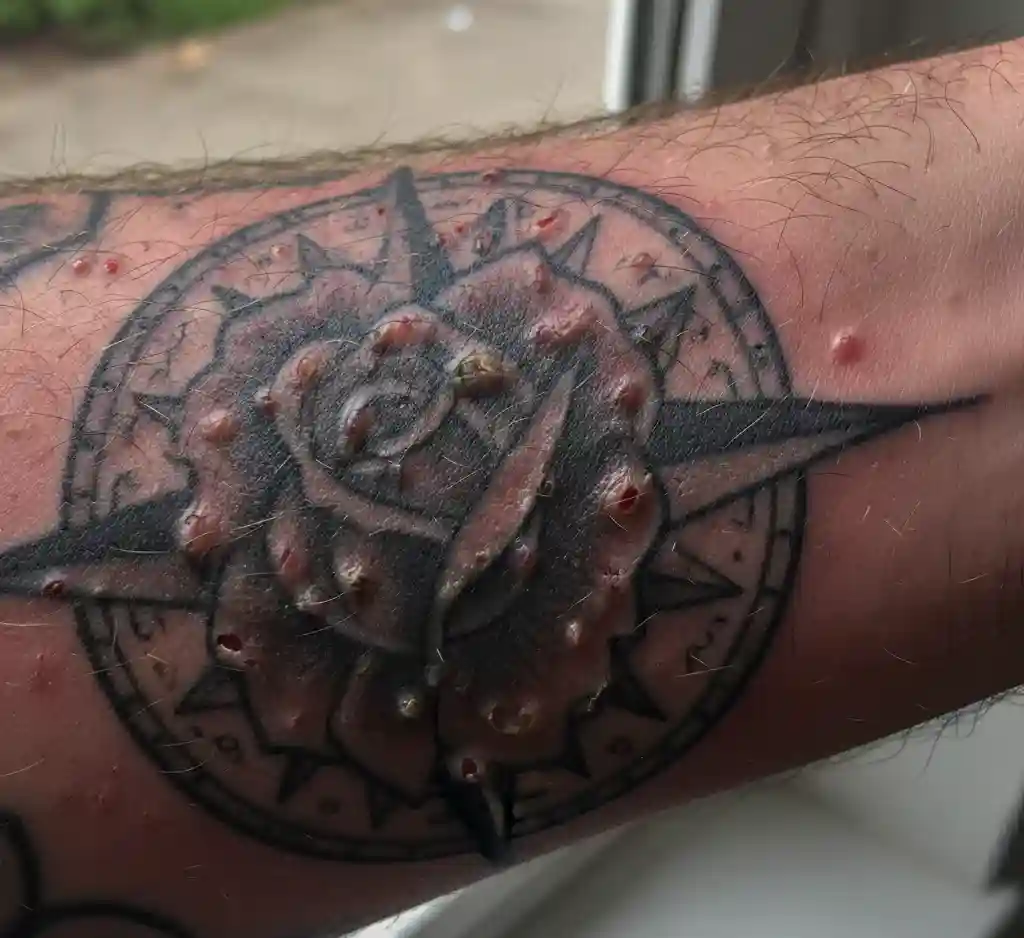
You may notice raised bumps, thick scabs, or oozing pus. The skin may appear shiny and stretched rather than calm. Infections can cause uneven healing where some areas look worse than others.
Normal irritation fades daily, while infection stays intense or worsens. Visual comparison over time is one of the clearest indicators.
How Long After Getting a Tattoo Can an Infection Start?
Tattoo infections can begin anywhere from 24 hours to several weeks after getting inked. Most infections appear within the first 3–7 days when the skin barrier is open.
However, late infections can happen if aftercare is neglected or bacteria enter through scratching.
Swimming, dirty environments, or touching the tattoo with unwashed hands can trigger delayed infection.
Even healed tattoos can become infected if the skin is damaged.
This is why consistent aftercare is important for weeks, not just days. Timing alone doesn’t rule out infection—symptoms matter more.
What Causes Tattoo Infections After Getting Inked?
Tattoo infections happen when bacteria enter broken skin. Common causes include unsterilized equipment, contaminated ink, or an unhygienic studio.
Poor aftercare is one of the biggest contributors. Touching the tattoo with dirty hands introduces germs. Wearing tight, unclean clothing can trap bacteria.
Excess moisture from over-wrapping or sweating also creates a breeding ground. Picking scabs or scratching breaks healing skin.
Understanding these causes helps prevent infection before it starts.
Can Poor Tattoo Aftercare Lead to Infection?
Yes, poor aftercare is one of the leading causes of tattoo infections. Skipping cleaning allows bacteria to build up on the skin.
Overwashing, on the other hand, can damage the skin barrier. Using harsh soaps or random home remedies can irritate the area.
Applying too much ointment suffocates the skin and traps moisture.
Not moisturizing at all causes cracking, which allows bacteria inside. Aftercare needs balance—clean, dry, and lightly moisturized skin heals best.
Is Redness, Swelling, or Pain a Sign My Tattoo Is Infected?
Some redness, swelling, and pain are normal right after a tattoo, but the timeline matters. These symptoms should peak within the first two days and slowly decrease.
If redness spreads or swelling becomes firm and painful, that’s concerning. Pain that intensifies instead of fading can indicate infection.
Warmth around the tattoo is another warning sign. Normal healing feels sore, not sharp or throbbing. When symptoms worsen instead of improve, infection becomes more likely.
What Color Changes Indicate a Tattoo Infection?
Healthy tattoos maintain consistent color as they heal, even if they look dull at first. Infection can cause unusual color changes like yellow, green, or gray patches.
Redness that turns dark purple or brown may signal inflammation. Milky or cloudy areas are not normal healing signs.
Ink may appear blurred or distorted due to swelling. These changes often come with pain or discharge. Any unnatural color shift paired with discomfort should be taken seriously.
Does Pus or Fluid Coming From a Tattoo Mean It’s Infected?
Clear or slightly pink fluid is normal during the first 24–48 hours. Thick, yellow, green, or foul-smelling pus is not normal.
Pus indicates the body is fighting bacteria. Continuous leaking days after the tattoo is concerning. Crusting around oozing areas can trap infection inside.
If fluid returns after initially stopping, that’s another warning sign. Any discharge paired with pain or swelling needs attention.
Can Fever or Body Symptoms Mean My Tattoo Infection Is Serious?
Yes, systemic symptoms mean the infection may be spreading. Fever, chills, fatigue, or body aches are signs your immune system is under stress.
Swollen lymph nodes near the tattoo area are another serious indicator. These symptoms suggest bacteria may have entered the bloodstream.
This is not something to treat at home. Medical care is essential at this stage. Ignoring body-wide symptoms can lead to dangerous complications.
How Can I Tell the Difference Between Tattoo Scabbing and Infection?
Normal scabs are thin, dry, and flake off naturally. Infected scabs are thick, wet, and often yellowish. Painful scabs that bleed or ooze are concerning.
Infection-related scabs may crack and reopen repeatedly. A foul smell is never normal. Healing scabs feel tight but not painful. If scabs worsen instead of shrink, infection is likely.
What Are the Stages of a Tattoo Infection During Healing?
Tattoo infection often progresses in stages if untreated. Early irritation includes redness and warmth. The second stage may involve swelling, pain, and discharge.
Advanced stages include pus, fever, and spreading redness. Skin may become shiny and tight. Scarring risk increases at later stages.
Early treatment prevents progression. Monitoring changes daily helps catch problems early.
When Should I Be Concerned About Itching or Burning in My Tattoo?
Mild itching is normal during healing, especially as skin dries. Burning or intense itching is not normal. Persistent itching with redness may indicate infection or allergic reaction.
Scratching increases infection risk. Burning sensations that worsen over time are a warning sign.
If itching is paired with bumps or discharge, seek advice. Comfort improves with healing, not worsens.
How Dangerous Is an Untreated Tattoo Infection?
Untreated infections can lead to permanent scarring and ink damage. Bacteria can spread to surrounding tissue. Severe cases may enter the bloodstream.
This can cause serious medical emergencies. Long-term skin sensitivity is another risk. Some infections require antibiotics or drainage.
Early care prevents complications. Ignoring symptoms is never worth the risk.
Can an Infected Tattoo Heal on Its Own Without Treatment?
Very mild irritation may settle with proper care, but true infections rarely heal alone. Bacteria usually need medical treatment to fully clear.
Delaying care allows infection to deepen. Home remedies cannot kill harmful bacteria. Some infections worsen suddenly.
Professional evaluation ensures proper healing. When in doubt, get checked.
What Should I Do Immediately If I Think My Tattoo Is Infected?
Stop using any products that may irritate the tattoo. Gently clean the area with mild soap and lukewarm water. Pat dry with a clean towel.
Avoid tight clothing and friction. Do not scratch or pick scabs. Take clear photos to track changes. Contact a healthcare professional if symptoms persist or worsen.
How Do You Treat a Mild Tattoo Infection at Home?
Mild infections may improve with careful hygiene and rest. Clean the tattoo twice daily with gentle soap. Keep it dry and lightly moisturized.
Avoid heavy ointments unless advised. Stay hydrated to support healing. Watch closely for changes. If symptoms don’t improve within 24–48 hours, seek medical care.
When Should I See a Doctor for a Tattoo Infection?
You should see a doctor if pain increases after day three. Spreading redness is a clear sign. Any pus, fever, or swelling needs medical attention.
If the tattoo smells bad, get checked. Delayed healing beyond two weeks is concerning. Doctors can prescribe antibiotics if needed. Early visits prevent serious outcomes.
Can a Tattoo Infection Permanently Damage My Tattoo?
Yes, infections can distort lines and fade colors. Scarring can alter the design permanently. Ink loss may occur where skin is damaged.
Severe infections may require touch-ups or cover-ups. Early treatment protects the artwork. Healthy healing preserves tattoo quality. Prevention is always better than repair.
How Long Does It Take for an Infected Tattoo to Heal?
Healing time depends on severity and treatment. Mild infections may clear within one week. Moderate infections can take two to three weeks.
Severe cases may take months to fully heal. Antibiotics speed recovery when needed. Proper aftercare shortens healing time. Rushing healing increases damage risk.
What Are the Risks of Ignoring an Infected Tattoo?
Ignoring infection increases scarring risk. Ink distortion becomes permanent. Bacteria can spread beyond the skin. Pain and inflammation worsen over time.
Medical treatment becomes more intense. Healing time increases significantly. Early action saves both skin and tattoo quality.
Can Tattoo Infections Spread to Other Parts of the Body?
Yes, bacteria can spread through the bloodstream. This can affect nearby tissue or organs. Swollen lymph nodes signal spreading infection.
Fever is another sign. Spread increases health risks. This is why infections should never be ignored. Prompt treatment prevents complications.
How Can I Prevent Tattoo Infection During the Healing Process?
Follow aftercare instructions carefully. Wash hands before touching the tattoo. Clean gently but consistently.
Avoid swimming and sweating excessively. Wear loose, clean clothing. Keep the area dry. Prevention starts with daily habits.
What Aftercare Steps Help Reduce the Risk of Tattoo Infection?
Use mild, fragrance-free soap. Apply a thin layer of recommended moisturizer. Avoid over-wrapping. Let the tattoo breathe.
Do not pick scabs. Avoid sun exposure. Stick to a routine for best healing.
Are Certain Tattoo Areas More Prone to Infection Than Others?
Yes, high-friction areas heal slower. Feet, hands, and joints are higher risk. Areas that sweat more are also vulnerable.
Tattoos under tight clothing need extra care. Movement increases irritation. Extra attention helps these areas heal safely.
Do Certain Skin Types Increase the Risk of Tattoo Infection?
Sensitive skin may react more strongly. Oily skin can trap bacteria. Dry skin cracks easily. Immune conditions increase infection risk.
Allergies can complicate healing. Knowing your skin type helps tailor aftercare. Proper care reduces risks for all skin types.
Can Recolored Ink Be a Sign of Tattoo Infection?
Yes, unexpected discoloration can signal infection. Yellow or green tones are concerning. Ink fading unevenly may indicate skin damage.
Blurred lines can result from swelling. Color changes often appear with pain. Monitoring ink appearance is important. Sudden changes should be checked.
What Do Professional Tattoo Artists Say About Infection Warning Signs?
Experienced artists emphasize worsening symptoms. They warn against excessive redness and heat. Artists stress hygiene during healing.
They recommend medical advice over guesswork. Most agree early action saves tattoos. Professional insight supports medical guidance. Listening to experts helps prevent damage.
What Do Doctors Recommend for Treating an Infected Tattoo?
Doctors assess severity first. Mild cases may need topical treatment. Bacterial infections often require antibiotics. Severe cases may need drainage.
Doctors advise stopping irritants immediately. Medical guidance ensures safe healing. Professional care prevents complications.
How Do I Know When My Tattoo Is Fully Healed and Infection-Free?
A healed tattoo feels smooth and comfortable. No redness or swelling remains. Skin tone looks even. No itching or pain persists.
Ink appears settled and clear. Flaking stops completely. Healing means stability, not sensitivity.