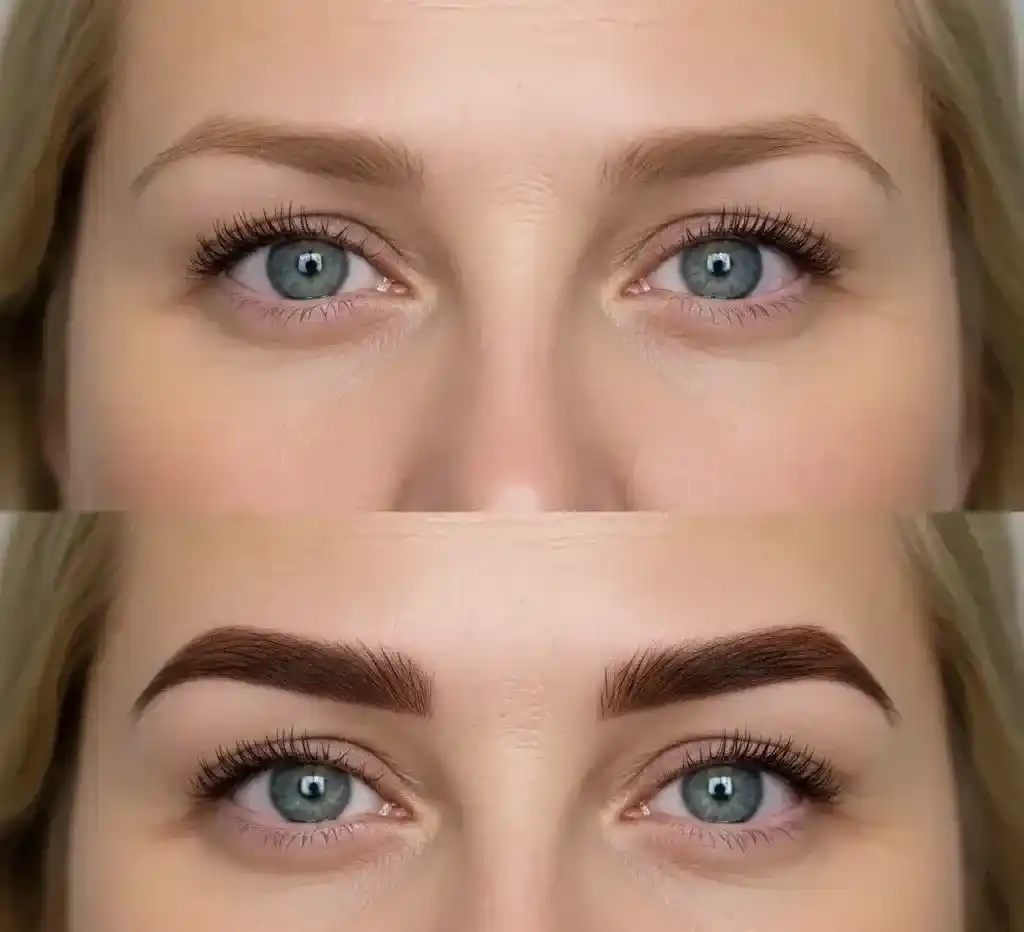
Have you ever gotten a fresh eyebrow tattoo and then wondered, “how long after eyebrow tattoo can I get botox?”
This is a common worry because both treatments involve your brow area, and doing them too close together can lead to uneven shape, faded pigment, or results you didn’t expect.
Many people rush into Botox too soon and end up affecting their healing brows, which creates more stress than comfort.
The truth is simple: your skin needs time to heal before any injections. When you understand how the tattoo settles and how Botox changes muscle movement, it becomes much easier to plan both treatments safely.
In this guide, you’ll learn exactly why waiting matters, what risks to avoid, and how to protect your brows while still getting the lifted, smooth look you want.
How Long After an Eyebrow Tattoo Can I Safely Get Botox?
Most experts recommend waiting at least 2–4 weeks before getting Botox after an eyebrow tattoo.
This time allows the skin to heal, the pigment to settle, and the inflammation to disappear.
When Botox is added too early, it can affect the shape, symmetry, and retention of the tattoo.
Waiting also prevents unwanted movement of pigment while the skin is still fragile.
Give your brows time to go through the full healing cycle before adding injections. This protects both your tattoo investment and Botox results.
Why Do Experts Recommend Waiting Before Getting Botox After an Eyebrow Tattoo?
Professionals suggest waiting because the skin after tattooing is injured and sensitive, and Botox works best on stable, healed tissue.
Fresh tattoos need time without pressure, stretching, or muscle interference. Botox can change the position of the eyebrows, and doing it too soon may distort the shape your artist created.
There is also a higher risk of infection when the skin isn’t healed. The pigment also needs time to lock into the skin without disruption. Waiting ensures both treatments perform at their best.
What Happens If You Get Botox Too Soon After an Eyebrow Tattoo?
Getting Botox too early can cause several issues, such as shifted pigment, uneven brows, and delayed healing.
Because Botox relaxes the muscles around the eyebrow area, it may change how your brows sit on your face.
Swelling may worsen if injections are added to an already irritated area. There’s also a higher chance of fading pigment because the tattooed skin is still open.
In some cases, your tattoo artist may need to do extra touch-ups. Early Botox simply increases the chance of complications.
How Does Botox Affect Fresh Eyebrow Tattoo Pigment and Healing?
Fresh pigment is very sensitive during the first few weeks. Botox injections can change the skin’s tension and position, which shifts how the ink settles.
Muscle relaxation can pull the brows upward or downward, affecting symmetry. The pressure from injections may also irritate the skin, slowing healing.
Because the pigment hasn’t stabilized, any unnecessary movement may cause patchy areas.
When healing is disturbed, color may fade or heal unevenly. Botox works best once the tattooed skin is fully settled and calm.
What Are the Healing Stages of an Eyebrow Tattoo Before Botox Is Safe?
Eyebrow tattoo healing happens in stages:
- Days 1–3: Redness, tightness, and mild swelling. Skin is very sensitive.
- Days 4–7: Scabbing and peeling begin as the skin repairs itself.
- Days 7–14: Peeling slows down; pigment looks lighter or patchy.
- Days 14–21: Skin continues healing under the surface.
- Week 4: Pigment settles, and the skin becomes stable.
Botox is safest after these stages are complete, usually after week 3 or 4.
How Can Swelling, Redness, or Tension After a Tattoo Affect Botox Results?
Swelling and redness show that the skin is still healing, meaning it isn’t ready for injections. Botox needs stable, calm skin to settle properly.
If the area is irritated, results may be uneven or unpredictable. Tension around the brows may also pull differently once Botox relaxes the muscles, creating mismatched height or shape.
Tattooed skin heals from the inside out, so even if swelling looks mild, the tissue underneath may still be sensitive. Waiting prevents unexpected Botox reactions or uneven placement.
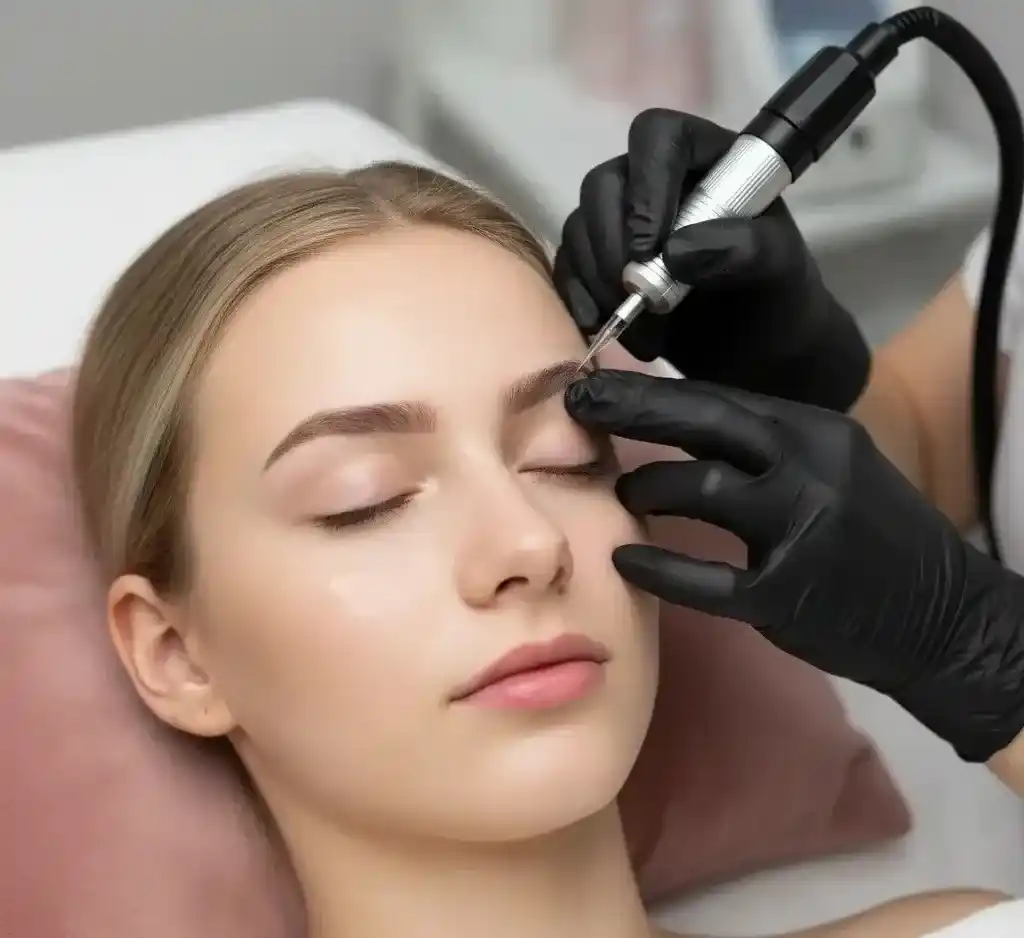
What Signs Show That Your Eyebrow Tattoo Has Healed Enough for Botox?
You’ll know your tattoo is ready when:
- There is no peeling or scabbing left.
- The skin looks smooth and fully closed.
- Redness and sensitivity have completely disappeared.
- Pigment has settled into its final shade.
- You feel no pain when touching the brow area.
If these signs are present, your skin is strong enough to handle Botox safely and effectively.
Can Botox Change the Shape or Position of a Fresh Eyebrow Tattoo?
Yes, Botox can shift the brow position if done too soon. Botox relaxes specific muscles, and these muscles help control brow lift, curve, and alignment.
When the tattoo is fresh, the ink hasn’t settled, so any shift in the brow position can make the tattoo appear uneven.
This includes subtle changes such as one brow lifting higher than the other.
Botox is best applied only after the tattoo design is fully stable. That’s why timing matters so much for this combination of treatments.
What Are the Risks of Combining Eyebrow Tattooing and Botox Too Close Together?
Doing both treatments too close together may cause:
- Uneven or crooked brows
- Pigment loss or fading
- Delayed healing
- Inflammation or pain
- Poor Botox placement
- Infection risk
- More touch-up appointments
These risks are easily avoided by waiting the recommended time. Spacing the treatments protects both your tattoo results and your Botox outcome.
Is It Better to Get Botox Before or After an Eyebrow Tattoo?
Many professionals recommend getting Botox before the eyebrow tattoo because the brow position becomes stable.
Your tattoo artist can then design the brows based on your Botox-enhanced look.
However, it’s important to get Botox at least 1–2 weeks before tattooing so the injections settle fully.
Getting Botox after the tattoo is also fine—as long as you wait 3–4 weeks. The main goal is to avoid overlapping healing and muscle changes.
How Long Should You Wait Between Botox Touch-Ups and Eyebrow Tattoo Appointments?
If you need a Botox touch-up, plan it at least 1–2 weeks before your tattoo, or 3–4 weeks after it.
Touch-ups can slightly alter your brow position, and your tattoo artist needs a stable canvas to create symmetrical shapes.
Waiting ensures your brows stay balanced, and your tattoo heals without movement.
For long-term maintenance, many people schedule Botox and tattoos in alternate months to avoid overlap.
What Aftercare Steps Should You Follow Before Scheduling Botox After a Tattoo?
Good aftercare helps your tattoo heal faster and more evenly. Before getting Botox, make sure you:
- Keep the eyebrow area clean and dry.
- Avoid picking, scratching, or touching scabs.
- Skip workouts, steam rooms, and sweating for a few days.
- Apply healing ointments if your artist recommends them.
- Protect brows from sun exposure.
- Let the skin rest as much as possible.
Following these steps ensures your brows heal properly so you can safely get Botox afterward.
Does the Type of Eyebrow Tattoo Affect the Waiting Time for Botox?
Yes, different tattoo techniques have different healing needs:
- Microblading: Creates tiny cuts, so healing takes around 3–4 weeks.
- Ombre/Powder Brows: Uses shading, often heals slightly faster.
- Combination Brows: Similar healing time to microblading.
In all cases, waiting 3–4 weeks is the safest window. If your brows were done with heavier strokes or deeper shading, leaning closer to the 4-week mark is best.
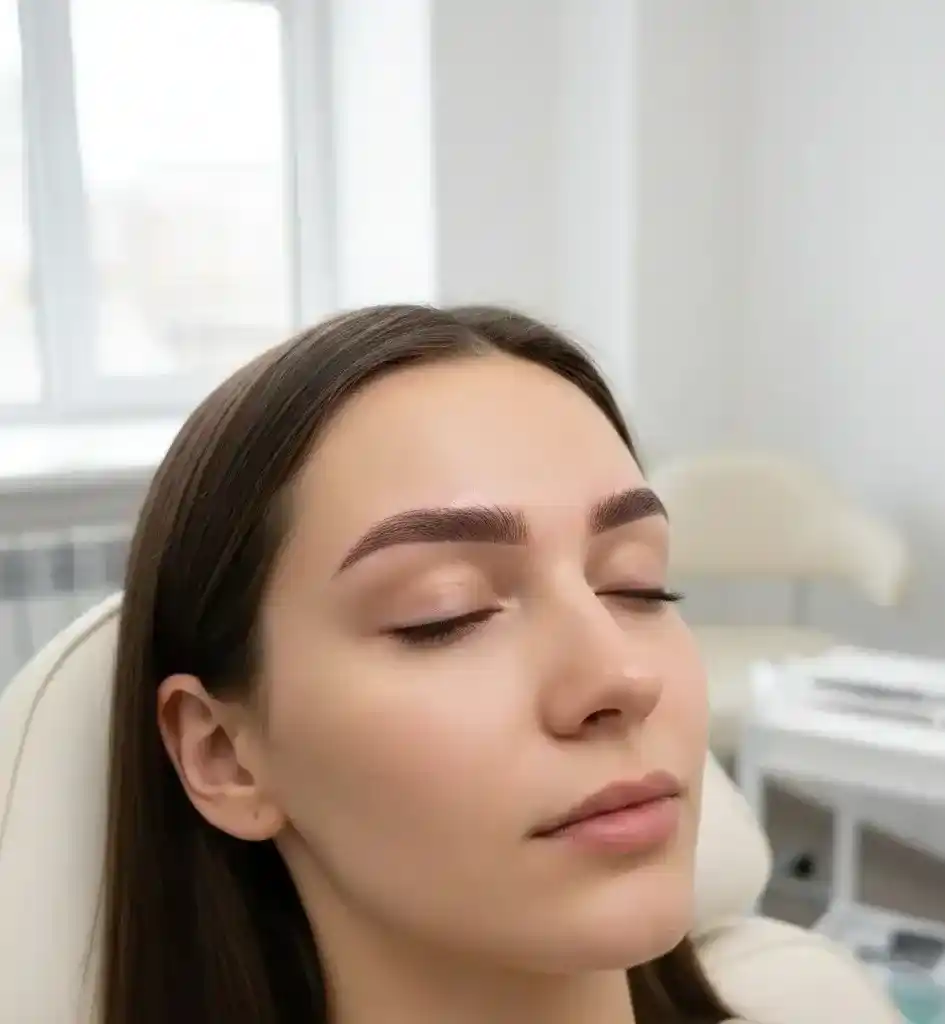
How Do Muscle Movement and Skin Tightness Impact Eyebrow Tattoo Healing and Botox Placement?
Eyebrow tattoos rely on stable skin tension while the pigment settles. When you raise, lower, or move your brows, the underlying muscles shift the tattooed area.
If Botox is added too soon, the sudden change in muscle movement may distort the healing pattern. Relaxed muscles may change brow curvature unexpectedly.
Tight skin also responds differently to injections, which may affect how Botox spreads. Stable muscles lead to better tattoo healing and more predictable injection results.
Can Botox Interfere With Eyebrow Tattoo Pigment Retention or Color?
Botox doesn’t directly affect the pigment, but the muscle changes it causes can influence how pigment settles.
If the brow shape shifts while pigment is still bonding to the skin, it may result in gaps or lighter patches.
Irritation from injections may also lead to slower healing, which can lighten the color.
Pigment retention is strongest when the skin is fully healed before Botox. This protects your tattoo color from fading or unevenness.
What Symptoms Should You Watch For That Mean You Should Delay Botox After a Tattoo?
Delay Botox if you notice:
- Ongoing redness
- Swelling or heat in the area
- Peeling, scabbing, or flaking
- Uneven healing
- Pain or tenderness
- Breakouts around the brows
- Any signs of infection
These symptoms show the skin has not fully healed. Waiting a little longer keeps your brows safe and ensures your Botox works correctly.
How Can You Prevent Complications When Combining Eyebrow Tattooing and Botox?
Prevention is simple when you follow these steps:
- Space both treatments by 3–4 weeks.
- Let your tattoo artist know you use Botox.
- Allow Botox to settle fully before tattooing.
- Avoid scheduling treatments too close together.
- Watch your healing carefully.
- Follow all aftercare instructions.
These easy precautions protect your skin, your tattoo, and your Botox results.
What Do Dermatologists and Estheticians Recommend About Timing Botox After a Tattoo?
Most skin professionals recommend waiting 3–4 weeks to avoid disrupting healing.
They also suggest completing Botox first if you want a lifted or reshaped brow look. This gives your tattoo artist the most accurate brow position to work with.
If you do Botox afterward, professionals encourage patience and full skin healing. Their advice focuses on long-term results rather than rushing both procedures together.
What Factors Can Change the Waiting Period Before Botox?
Several personal factors may require a longer healing time:
- Sensitive skin
- Slow healing due to age
- Previous tattoo trauma
- History of scarring or pigmentation issues
- Skin inflammation or allergies
- Weaker immune system
Listening to your skin is important—some people heal fully in 2 weeks, while others need 4 or more.
Can You Speed Up Eyebrow Tattoo Healing to Get Botox Sooner—And Is It Safe?
You can support healing, but you cannot safely force it. Tattoo healing depends on natural skin repair. You can help by:
- Keeping the area clean
- Avoiding sun, sweat, and heat
- Following aftercare carefully
- Eating healthy foods
- Drinking plenty of water
Even with fast healing, you should still wait until all symptoms are gone. Safety always comes first when combining two face-focused treatments.