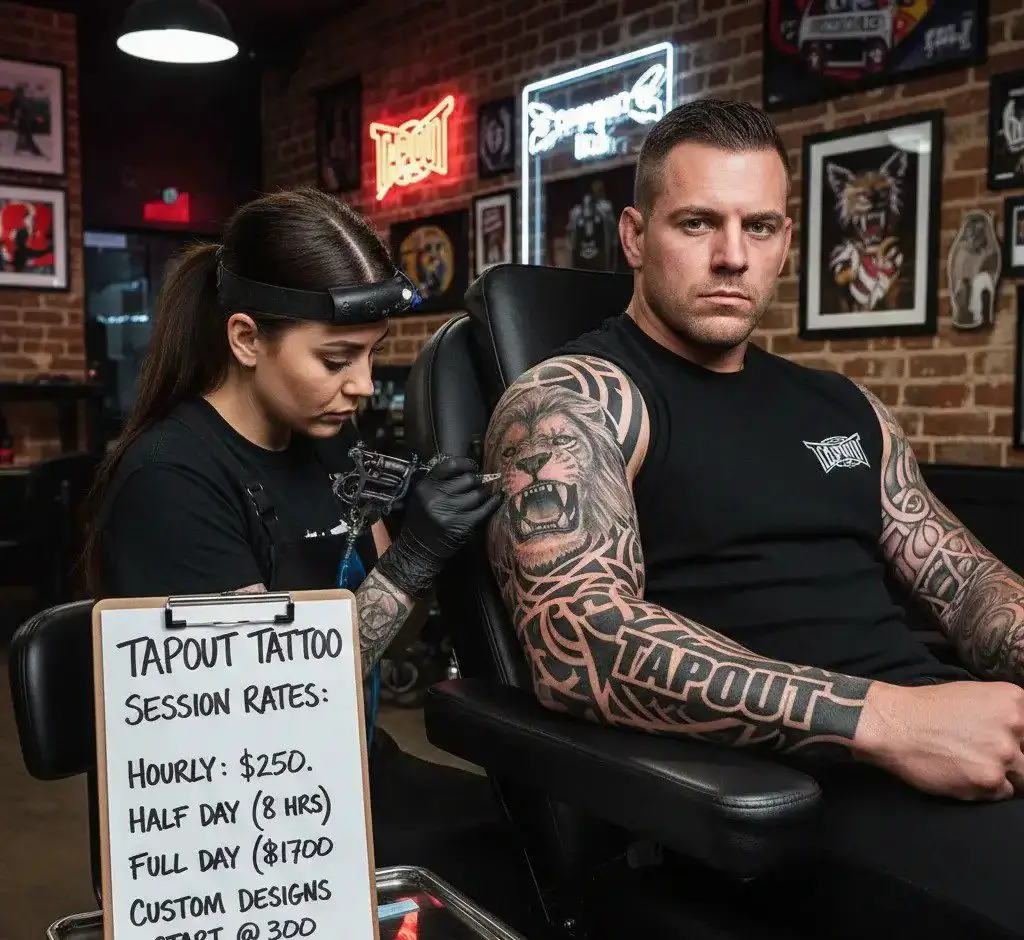
Ever sat in a tattoo chair thinking, “I can handle this,” only to realize the pain is more than you expected?
That moment is when many people tap out—and the very next question that comes to mind is how much is a tapout tattoo session.
It’s a real concern, especially if the tattoo isn’t finished and you’re unsure whether stopping early will cost you more.
Many people worry about surprise charges, wasted money, or having to pay twice to complete the same design.
Understanding how much is a tapout tattoo session helps you feel prepared before the needle ever touches your skin.
The price isn’t just about pain—it depends on time, artist rates, tattoo size, and what happens after you stop.
When you know how pricing works, you can make smarter choices, avoid stress, and plan your tattoo journey with confidence.
This guide breaks it all down in a simple, honest way so you know exactly what to expect.
What Is a Tapout Tattoo Session and Why Do People Choose It?
A tapout tattoo session is when a person stops the tattoo process before it is fully completed.
This usually happens because the pain becomes too intense, the body feels exhausted, or the session runs longer than expected.
Some people choose long or detailed designs without fully understanding how demanding they can be.
Others may have low pain tolerance or sensitive skin. Tapping out is not a failure; it is simply the body’s way of saying it needs a break.
Many professional artists expect this and plan for it. Tapout sessions are common, especially for large or detailed tattoos.
How Much Is a Tapout Tattoo Session on Average?
On average, the cost of a tapout tattoo session depends on how long the artist worked before stopping. Most artists charge hourly, so you only pay for the time used.
This can range from a lower amount for short sessions to a higher price if several hours were completed.
In many cases, the cost is similar to a regular session of the same length. However, if setup time or breaks are involved, pricing may increase slightly.
There is no fixed price because each session is different. Always ask your artist about their pricing rules beforehand.
What Factors Affect How Much a Tapout Tattoo Session Costs?
Several factors decide how much a tapout tattoo session costs. These include the artist’s experience, studio location, tattoo size, and design complexity.
Painful areas may cause more breaks, which can affect session time. Custom designs usually cost more than simple ones.
Skin type and how well the body handles pain also matter. Some studios have minimum charges even if you tap out early. Understanding these factors helps avoid surprise costs.
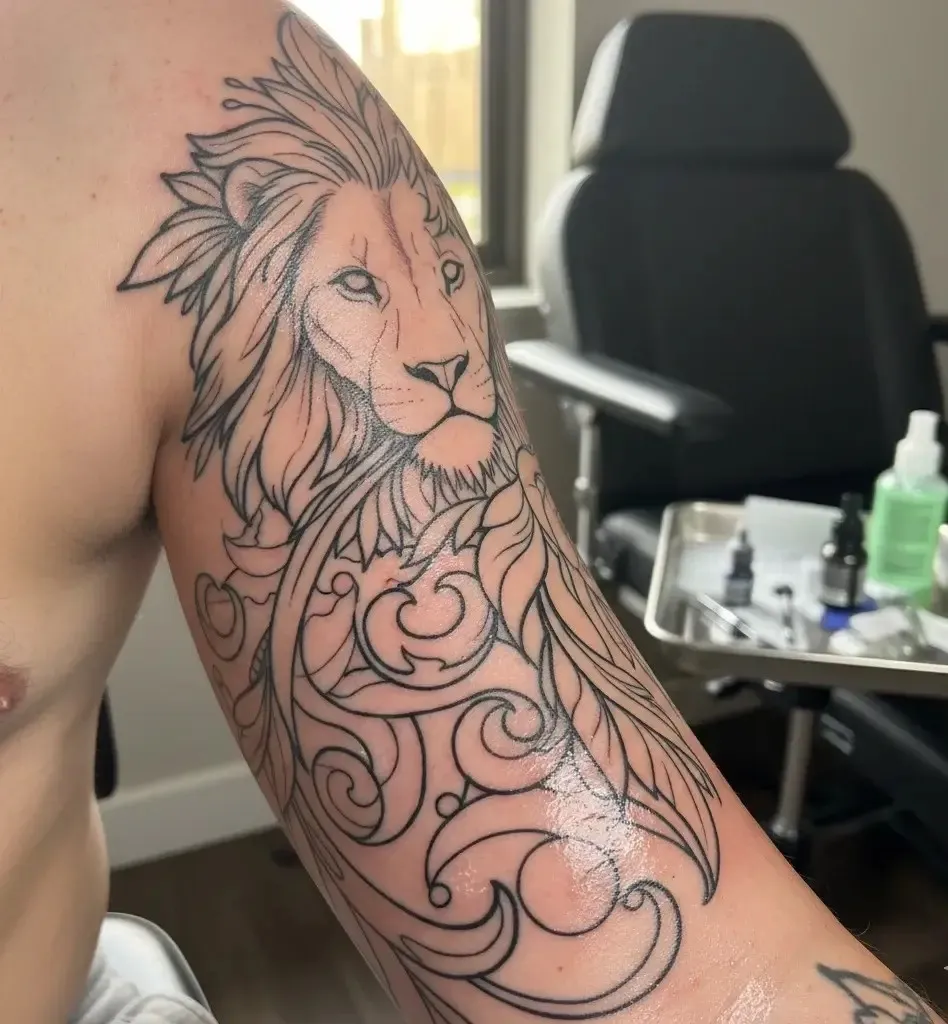
Does Tattoo Size Change How Much a Tapout Tattoo Session Costs?
Yes, tattoo size plays a big role in pricing. Larger tattoos take more time, which increases the chance of tapping out. More time means higher cost, even if the tattoo is unfinished.
Small tattoos are usually completed quickly, so tapouts are less common. Big designs often require multiple sessions, and stopping early can add extra costs later.
Size also affects pain levels, especially when shading or detailing begins. Always consider size carefully before starting.
How Does Tattoo Placement Impact Tapout Session Pricing?
Tattoo placement affects both pain and cost. Areas like ribs, spine, feet, and hands are more painful and may cause earlier tapouts.
This can lead to shorter but more frequent sessions. Less painful areas like arms or thighs are easier to handle for longer periods.
Painful placements may need more breaks, which affects timing and pricing. Some artists charge more for difficult placements. Placement choice directly impacts both comfort and cost.
Is a Tapout Tattoo Session More Expensive Than a Regular Session?
A tapout session is not always more expensive, but it can become costly over time. If you stop and return later, you may pay additional setup or hourly fees.
Multiple short sessions can cost more than one long session. However, the initial tapout session usually costs the same as any session of equal length.
The real cost comes when finishing the tattoo later. Planning ahead can help reduce extra expenses.
Why Do Some People Tap Out During a Tattoo Session?
People tap out for many reasons, and pain is the most common. Long sessions can cause physical and mental exhaustion.
Dehydration, hunger, or lack of sleep can also make pain worse. Anxiety or stress may increase sensitivity.
Sometimes the body reacts with shaking or nausea. These are signs it’s time to stop. Listening to your body is important for safety and healing.
What Are the Most Common Pain Symptoms That Cause a Tapout?
Pain symptoms vary, but some are very common during tapout sessions. These include intense burning sensations, sharp stabbing pain, and swelling.
Some people feel dizzy or lightheaded. Others experience muscle tension or uncontrollable shaking. Sweating and nausea can also occur.
These symptoms signal that the body needs rest. Ignoring them can lead to poor healing.
How Long Does a Tapout Tattoo Session Usually Last?
Tapout tattoo sessions can last anywhere from 30 minutes to several hours. It depends on pain tolerance and tattoo complexity.
First-time clients often tap out sooner than experienced ones. Pain usually increases as the session goes on.
Breaks can help, but they also extend total time. There is no “normal” length. Every body responds differently to tattooing.
Can Pain Tolerance Affect How Much a Tapout Tattoo Session Costs?
Yes, pain tolerance directly affects cost. Lower tolerance may lead to shorter sessions and more return visits.
Each visit may include minimum fees or setup charges. Higher tolerance allows longer sessions, which can save money overall.
Pain tolerance is influenced by mindset, health, and preparation. Knowing your limits helps with budgeting. Being honest with your artist also helps control costs.
What Happens to the Tattoo If You Tap Out Mid-Session?
If you tap out mid-session, the tattoo remains unfinished but still needs proper care. The completed parts will heal normally if cared for correctly.
The unfinished areas may look patchy or incomplete. Your artist will usually plan how to finish it later. It’s important not to panic or rush back too soon. Healing must come first before continuing.
Are There Extra Charges After Tapping Out of a Tattoo Session?
Extra charges are possible, depending on the studio’s policy. Some artists charge a new setup fee for future sessions. Others simply continue with hourly pricing.
Touch-ups or color matching may add cost. If healing affects the design, extra work may be needed.
Always ask about follow-up pricing before your first session. Clear communication prevents misunderstandings.
What Are the Risks of Tapping Out During a Tattoo Session?
Tapping out itself is not dangerous, but risks can occur if aftercare is ignored. Incomplete tattoos may heal unevenly.
Swelling and irritation can be stronger after long sessions. Stress on the body can slow healing. Poor aftercare may lead to infection.
Emotional disappointment is also common. Proper care reduces these risks.
Can Tapping Out Increase the Risk of Infection or Poor Healing?
Tapping out does not automatically cause infection, but poor care can. Open skin still needs cleaning and protection. Longer sessions can leave skin more sensitive.
If aftercare steps are skipped, bacteria can enter. Picking or scratching unfinished areas is risky. Following artist instructions is key. Good hygiene prevents most healing problems.
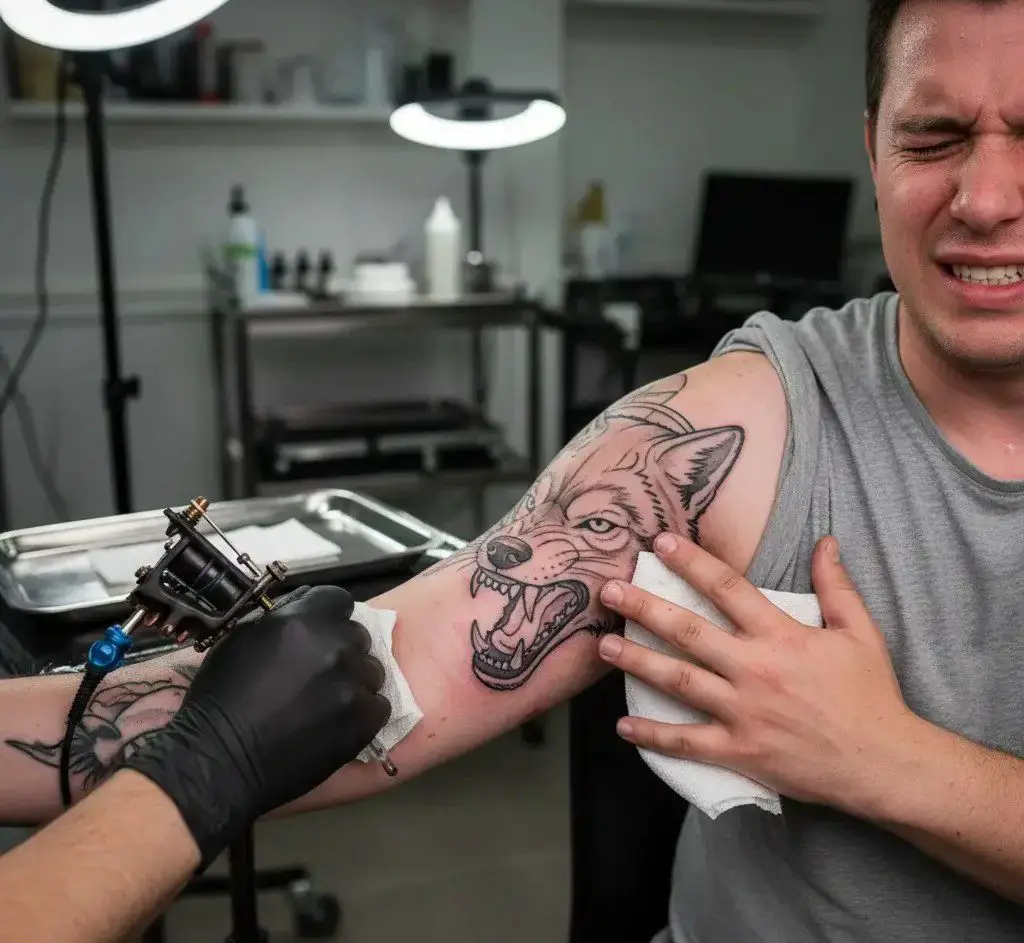
How Does a Tapout Tattoo Heal Compared to a Finished Tattoo?
Healing is mostly the same, but unfinished tattoos may look uneven during recovery. The inked areas will scab and peel normally.
Some parts may appear lighter or patchy. Swelling may last a bit longer if the session was intense. Proper moisture and rest help healing. Once healed, the tattoo can be safely continued.
What Are the Healing Stages After a Tapout Tattoo Session?
Healing happens in clear stages:
- First days: Redness, swelling, and soreness
- Week one: Scabbing and itching
- Weeks two to three: Peeling and fading
- After one month: Skin looks settled
Even unfinished tattoos follow these stages. Do not rush the next session before full healing.
What Aftercare Is Most Important After a Tapout Tattoo Session?
Aftercare is extremely important after tapping out. Clean the tattoo gently with mild soap. Apply recommended ointment in thin layers.
Avoid tight clothing and sun exposure. Do not scratch or peel scabs. Drink water and rest your body. Good aftercare protects both finished and unfinished areas.
How Can Proper Aftercare Prevent Damage After Tapping Out?
Proper aftercare prevents fading, infection, and uneven healing. Keeping the skin clean reduces bacteria. Moisturizing helps prevent cracking.
Avoid swimming or soaking the tattoo. Protecting the area from friction is important. Healthy healing makes future sessions easier. Aftercare directly affects final tattoo quality.
Can You Finish a Tattoo Later After Tapping Out?
Yes, most tattoos can be finished later without issues. Artists usually recommend waiting 4–6 weeks before continuing. This allows full healing.
Returning too early can damage skin. Your artist may adjust the design slightly if needed. Patience ensures better results. Most tapout tattoos are successfully completed later.
How Much Does It Cost to Continue or Fix a Tapout Tattoo Later?
The cost to continue depends on remaining work. Artists usually charge hourly for follow-up sessions. If the design needs correction, extra time may be required.
Some studios offer discounted continuation sessions. Others treat it as a new booking. Asking beforehand helps with budgeting. Costs vary widely.
How Can You Prevent Tapping Out During a Tattoo Session?
You can reduce the chance of tapping out by preparing well:
- Eat a good meal before the session
- Stay hydrated
- Get enough sleep
- Avoid alcohol beforehand
- Choose manageable tattoo sizes
Mental preparation also helps. Small steps make a big difference.
Do Professional Artists Give Advice to Avoid Tapout Sessions?
Yes, experienced artists often guide clients before starting. They may suggest breaking large tattoos into sessions. Artists also recommend less painful placements for beginners.
They explain what pain to expect. Honest discussions help set realistic expectations. Artist advice is valuable and should be followed.
Should Beginners Expect Higher Costs in Tapout Tattoo Sessions?
Beginners may face higher overall costs due to shorter sessions. First-time pain shock is common. Multiple sessions can increase total pricing.
Beginners also need more guidance and breaks. Choosing simple designs helps control costs. Experience improves pain management over time.
Is a Tapout Tattoo Session Worth the Cost and Pain?
A tapout tattoo session can still be worth it if handled properly. Stopping prevents long-term damage and stress. Paying more over time is better than harming your body.
Tattoos are permanent, so quality matters. Listening to your body leads to better results. Many people finish their tattoos later and are happy.
What Do Tattoo Experts Say About Pricing and Tapout Sessions?
Tattoo experts agree that tapouts are normal and nothing to be ashamed of. They stress honest communication about pain and budget.
Experts recommend proper planning and aftercare. They also advise not to rush completion. Quality, safety, and healing matter more than speed. Expert guidance helps avoid regrets.