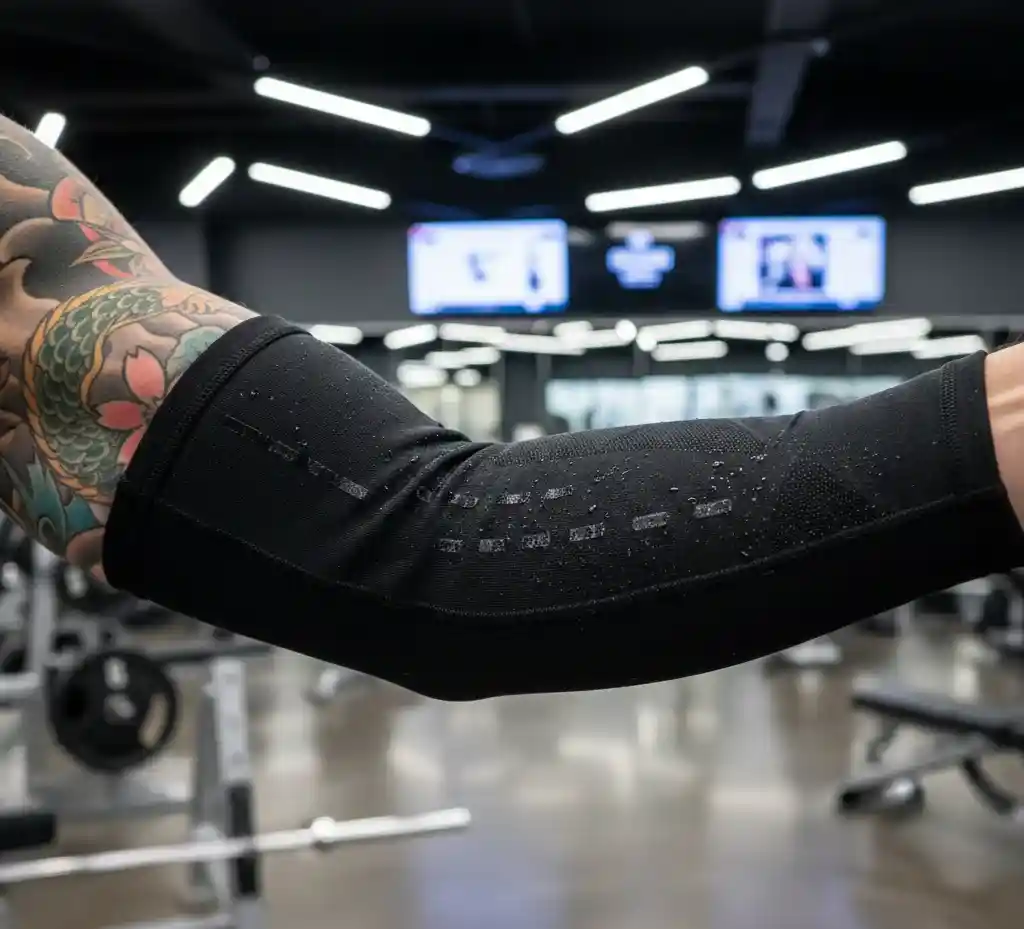
Worried about ruining your new tattoo because you love playing sports? Afraid that sweat, friction, or contact might damage your skin or fade your ink? You’re not alone.
Many athletes and active people struggle with this exact problem, especially during the healing stage.
Learning how to cover a tattoo for sports is one of the most important steps to protect your skin, avoid infections, and keep your tattoo looking clean and sharp.
The good news is—it’s simple. With the right covering, clean habits, and smart care, you can stay active without hurting your tattoo.
You don’t need complicated products or confusing routines. You just need the right methods that actually work.
This guide will show you easy, safe, and effective ways to protect your tattoo while playing sports, so you can move freely and heal properly at the same time.
Why Do You Need to Cover a Tattoo While Playing Sports?
Covering a tattoo during sports is important because physical activity exposes your skin to sweat, friction, dirt, and bacteria.
A fresh tattoo is essentially an open wound, and sports environments increase the risk of irritation or infection.
Constant movement can rub against the tattoo, causing scabbing to crack or ink to fade. Even healed tattoos can suffer from sun exposure or abrasions during outdoor or contact sports.
Covering helps maintain the tattoo’s color, sharpness, and overall appearance. It also creates a barrier against germs commonly found on gym equipment and sports gear.
Athletes who protect their tattoos often experience faster healing and fewer complications. This simple step can save you from long-term skin issues.
What Happens If You Don’t Cover a Fresh Tattoo During Sports?
If you don’t cover a fresh tattoo while playing sports, you risk serious healing problems. Sweat can trap bacteria on the skin, leading to redness, swelling, or infection.
Friction from clothing or gear can reopen scabs and slow the healing process.
Open skin exposed to dirt or shared equipment increases the chance of contamination.
Repeated irritation may cause ink to blur, fade, or heal unevenly. In some cases, this can lead to permanent scarring.
Pain and sensitivity may also increase, making workouts uncomfortable. Ignoring protection can turn a simple tattoo into a long-term skin issue.
How Soon After Getting a Tattoo Can You Play Sports Safely?
The safest time to resume sports depends on the tattoo’s size, location, and your activity level. Most tattoo artists recommend waiting at least 7–10 days before light physical activity.
High-intensity or contact sports usually require a break of 2–4 weeks. During the first few days, the tattoo is most vulnerable and should stay clean and dry.
Stretching, sweating, or friction too early can damage healing skin. Even after returning to sports, proper covering is still essential.
Listening to your artist’s aftercare advice is crucial. Rushing back too soon can extend healing time significantly.
How Can Sweat Affect a Tattoo During Sports Activities?
Sweat can negatively affect a tattoo, especially during the early healing stage. Excess moisture softens scabs, making them more likely to peel off too early.
Sweat also carries bacteria that can settle into open skin. Salt in sweat may cause stinging, redness, and irritation.
When sweat sits under tight clothing, it creates a warm environment where germs thrive. Over time, this can lead to patchy healing or faded ink.
Proper covering helps absorb sweat and protect the skin. Cleaning the tattoo immediately after sports is just as important.
What Are the Best Ways to Cover a Tattoo for Sports?
There are several safe and effective ways to cover a tattoo during sports. The best method depends on the tattoo’s size, location, and sport type. Breathable protection is key to avoid trapping moisture.
Common options include:
- Medical-grade breathable bandages
- Compression sleeves or wraps
- Tattoo-specific protective films
- Loose, clean athletic clothing
These methods shield the tattoo from friction, sweat, and bacteria. Always ensure the skin is clean and dry before covering. Replace coverings immediately after workouts. Proper protection keeps healing on track.
Which Bandages or Wraps Work Best to Protect a Tattoo During Sports?
The best bandages for sports are breathable, flexible, and secure. Medical adhesive films allow airflow while blocking bacteria and sweat.
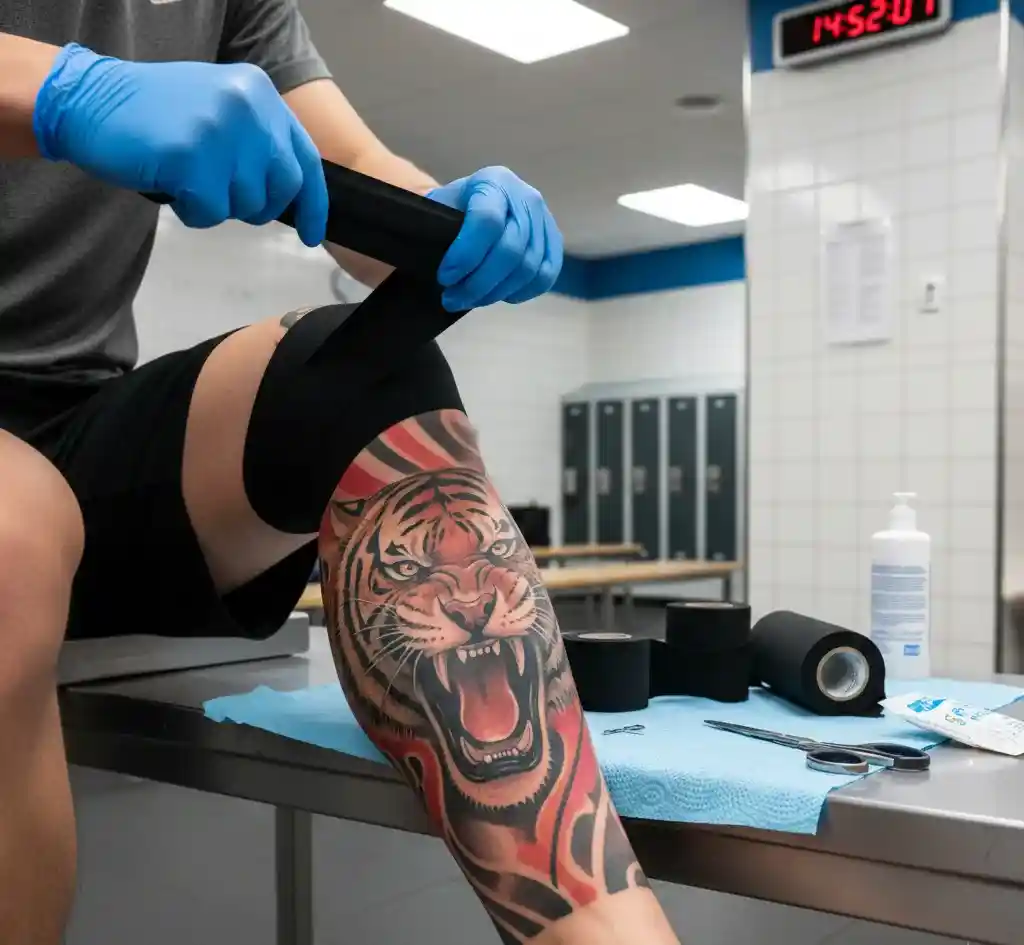
Elastic cohesive wraps work well for arms and legs without sticking to skin. Non-stick pads with athletic wrap are useful for larger tattoos.
Avoid plastic wrap for sports, as it traps sweat and heat. The bandage should stay in place without restricting movement.
A good wrap prevents rubbing and absorbs moisture. Always remove and clean the tattoo after activity.
Can You Use Compression Sleeves to Cover a Tattoo for Sports?
Compression sleeves are a popular option for covering tattoos during sports. They provide even pressure and reduce friction against the skin.
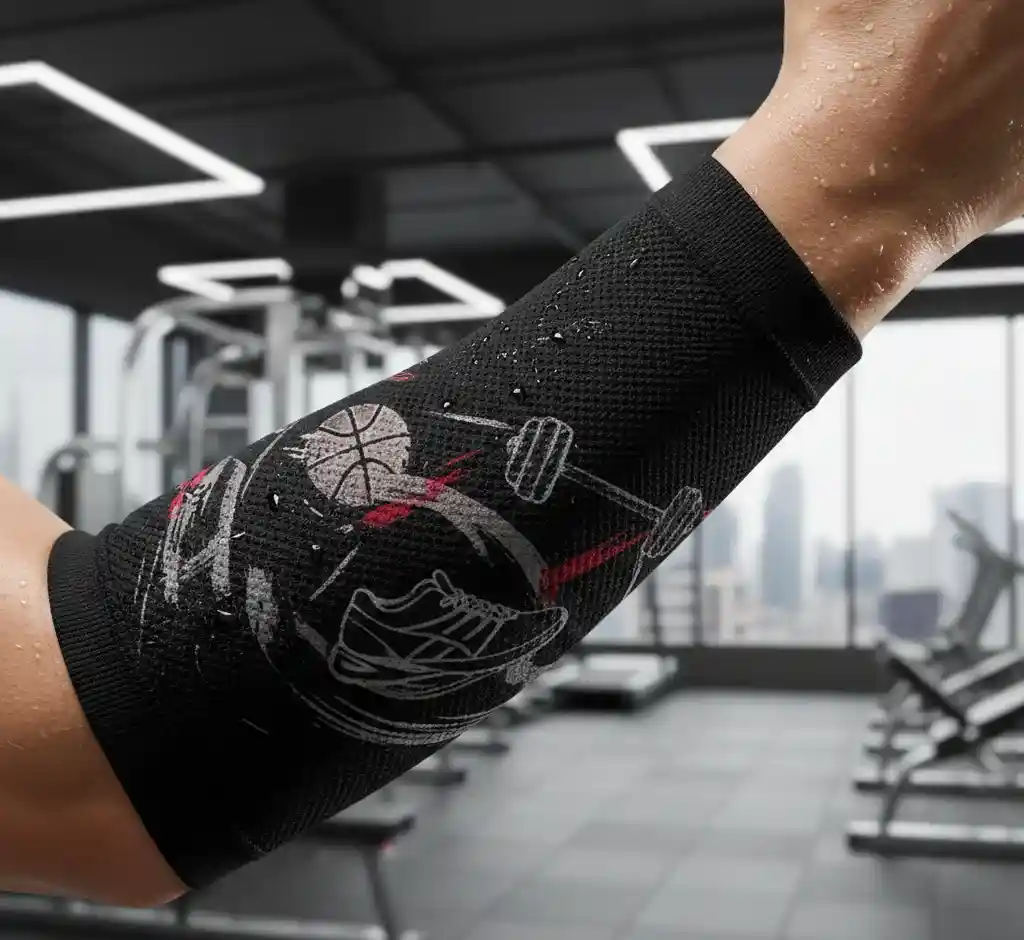
Sleeves also absorb sweat and protect against sun exposure. They are especially useful for arm, calf, or thigh tattoos.
However, they should not be too tight, as this can irritate healing skin. Make sure the tattoo is clean before putting one on.
After sports, remove the sleeve and wash the area gently. When used correctly, compression sleeves are both practical and protective.
How Do You Cover a Tattoo for Contact Sports Like Football or MMA?
Contact sports require extra protection because of constant impact and skin contact. Padding combined with secure bandaging works best.
Use a non-stick dressing over the tattoo, followed by a flexible athletic wrap. Compression gear can be layered over the bandage for added stability.
Avoid hard adhesives directly on fresh tattoos. Make sure the covering doesn’t shift during movement.
Clean the tattoo immediately after training or matches. Proper coverage reduces the risk of cuts, infections, and ink damage.
How Can You Cover a Tattoo for Swimming or Water Sports?
Water sports pose a high risk to healing tattoos. Chlorine, saltwater, and bacteria can seriously delay healing. Waterproof tattoo bandages are the safest option for short periods.
Make sure edges are sealed properly before entering water. Avoid long exposure, even with protection. Rinse the tattoo immediately after swimming and clean it gently.
Swimming should be avoided entirely during the first two weeks if possible. Water protection is essential to prevent infection and fading.
What Should You Avoid When Covering a Tattoo for Sports?
Certain mistakes can cause more harm than good. Avoid plastic wrap during workouts, as it traps sweat and heat. Do not use dirty or reused bandages.
Avoid tight tape that pulls on skin or restricts circulation. Never apply heavy creams before covering, as they can soften skin too much.
Don’t ignore itching or burning under the wrap. Leaving a tattoo covered for too long can also cause irritation. Smart choices help tattoos heal cleanly and evenly.
Can Covering a Tattoo Cause Infection or Skin Irritation?
Yes, improper covering can lead to infection or irritation. Trapped moisture creates a breeding ground for bacteria.
Dirty bandages or unclean hands increase infection risk. Tight wraps can cause redness, swelling, or heat rash.
Adhesive allergies may cause itching or blisters. This is why breathable materials are important.
Always clean and dry the tattoo before and after sports. Proper hygiene prevents most issues related to covering.
How Long Should You Keep a Tattoo Covered During Sports?
A tattoo should only be covered during the activity itself. Keeping it covered longer than necessary can slow healing.
Most people need to cover tattoos during sports for 2–4 weeks. Once the skin has fully closed and peeling has stopped, covering may no longer be required.
However, contact sports may need longer protection. Always remove coverings immediately after workouts. Letting the skin breathe is vital for recovery.
What Are the Signs Your Tattoo Isn’t Healing Well After Sports?
Poor healing signs should never be ignored. Redness spreading beyond the tattoo area is a warning sign. Excessive swelling or warmth may indicate infection.
Yellow or green discharge is a serious concern. Persistent pain or burning is not normal.
If scabs keep reopening, healing is being disrupted. Fading or patchy ink can also signal damage. Seek professional advice if symptoms worsen.
How Do You Clean and Care for a Tattoo After Playing Sports?
Post-sport care is essential for tattoo health. Gently wash the tattoo with lukewarm water and mild soap. Pat dry using a clean towel or paper towel.
Apply a thin layer of recommended aftercare lotion. Avoid heavy ointments unless advised.
Let the skin breathe before re-covering if needed. Wear clean, loose clothing afterward. Consistent aftercare keeps tattoos vibrant and healthy.
How Can You Prevent Tattoo Damage While Staying Active in Sports?
Prevention starts with planning and proper care. Time your workouts around healing stages. Use breathable coverings every session.
Clean equipment and clothing reduce bacteria exposure. Avoid excessive friction on the tattoo area. Stay hydrated to support skin healing.
Protect tattoos from sun during outdoor sports. Small habits make a big difference in long-term results.
Is It Safe to Cover a Tattoo With Tape or Adhesive Bandages?
Tape can be safe if used correctly, but caution is needed. Adhesive should never touch fresh tattooed skin directly. Use non-stick pads underneath tape.
Avoid strong adhesives that pull hair or skin. Remove tape gently to prevent irritation. If redness or itching occurs, stop using it.
Medical-grade options are always better. Safety depends on proper application.
What Do Tattoo Artists Recommend for Covering Tattoos During Sports?
Most tattoo artists emphasize breathability and cleanliness. They recommend avoiding sports for the first few days.
When activity is unavoidable, they suggest medical protective films or loose compression wear. Artists warn against plastic wrap during exercise.
Regular cleaning after workouts is always advised. Listening to professional guidance prevents complications.
Their advice is based on long-term healing experience. Following it protects your investment.
How Can Athletes Protect Tattoos Without Affecting Performance?
Athletes need protection that doesn’t limit movement. Lightweight compression sleeves work well without bulk.
Flexible wraps allow full mobility. Breathable bandages reduce sweat buildup.
Choosing the right size prevents slipping or tightness. Proper protection should feel natural during play.
Comfort and safety can go hand in hand. Smart gear choices keep performance intact.
Does the Location of the Tattoo Affect How You Should Cover It for Sports?
Tattoo placement plays a major role in protection needs. Joint areas like elbows or knees experience more movement.
These areas need flexible coverings. Tattoos on feet or hands face more friction and bacteria. Larger tattoos require broader coverage.
Flat areas like the back or thigh heal more easily. Adjust protection based on location. One method doesn’t fit all.
When Is It Safe to Stop Covering a Tattoo During Sports Completely?
You can stop covering a tattoo once the skin is fully healed. This usually takes 3–4 weeks, depending on care and activity.
Signs include no scabbing, peeling, or tenderness. The skin should feel smooth and normal. Even then, contact sports may still need light protection.
Sun protection is still important outdoors. When in doubt, protect a little longer. Healing fully is always worth the patience.