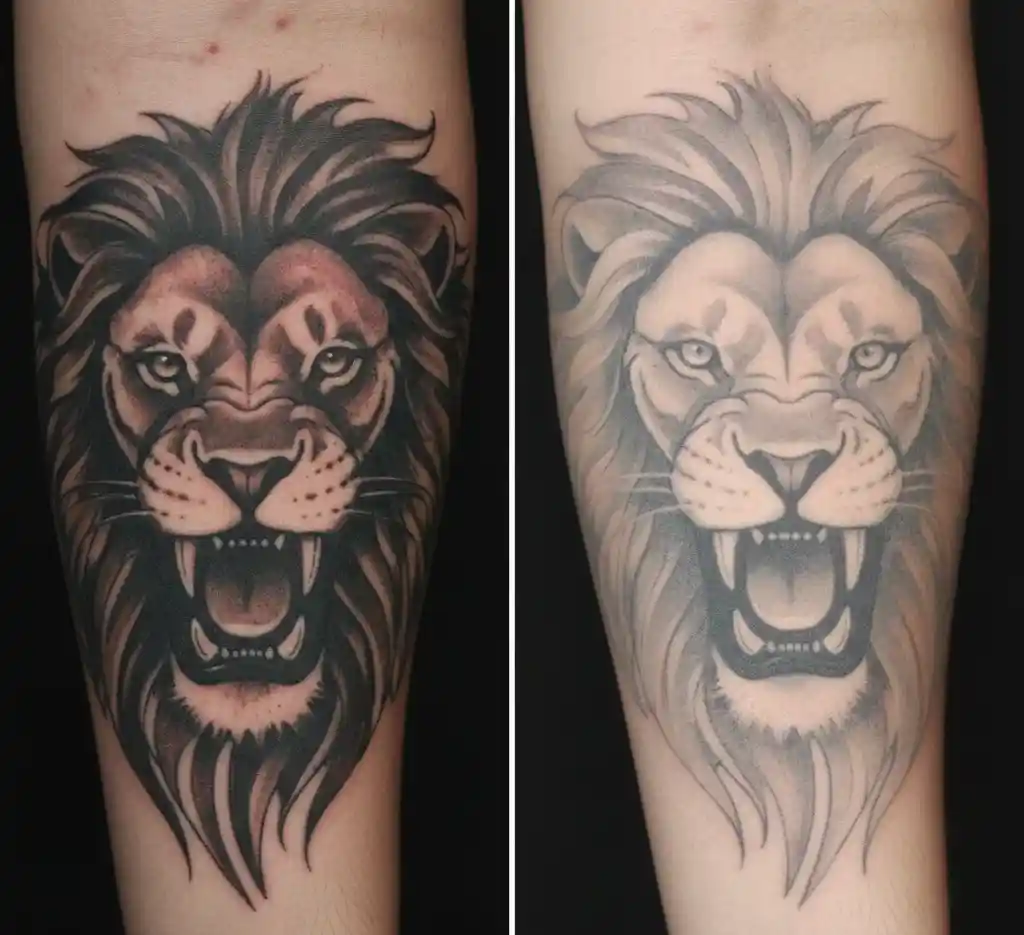
Ever look at your tattoo and feel like it turned out darker, bolder, or heavier than you expected? Maybe the details don’t stand out anymore, or the whole design feels too strong on your skin.
This is a common problem, and many people start searching for gentle ways to soften their tattoo without removing it completely.
That’s where How To Lighten A Tattoo With White Ink comes into the conversation. It is a method people consider when they want subtle change, not a full erase.
Learning How To Lighten A Tattoo With White Ink helps you understand what is truly possible and what is not.
White ink does not remove a tattoo, but it can help reduce harshness, soften dark areas, and bring balance back to a design.
When done the right way by an experienced artist, it can make a tattoo look lighter, calmer, and more blended with your skin.
Before choosing this option, it is important to know how it works, the risks involved, and whether it is the right choice for your tattoo.
Table of Contents
ToggleHow To Lighten A Tattoo With White Ink Safely And Effectively?
Lightening a tattoo with white ink is a cosmetic tattooing method where white pigment is layered over existing ink to soften its appearance.
This process does not erase the tattoo but helps reduce harshness, darkness, or heavy contrast.
Safety depends on proper technique, high-quality ink, and an experienced tattoo artist.
The skin must be healthy and fully healed before any white ink is applied.
Multiple light passes are safer than heavy saturation, which can damage skin. Proper aftercare plays a major role in how evenly the tattoo lightens.
When done correctly, results can look subtle and natural rather than patchy.
What Does It Mean To Lighten A Tattoo With White Ink?
Lightening a tattoo with white ink means overlaying white pigment to visually soften the original colors. White ink blends with the underlying pigment, creating a lighter or muted appearance.
It does not remove ink from the skin like laser treatments do. Instead, it changes how light reflects off the tattooed area.
This method is often used to fix overly dark designs or add highlights. Results depend on skin tone, ink depth, and tattoo age. The effect is more of a visual adjustment than a true color lift.
Why Do People Choose White Ink To Lighten Dark Tattoos?
Many people feel their tattoo healed darker than expected or looks too bold over time. White ink offers a non-laser option to soften heavy outlines or dense shading.
It is often chosen because it is less aggressive than removal methods. Some use it to restore balance in a tattoo that lost detail.
Others prefer it for artistic reasons, such as adding contrast or depth. White ink can also refresh an older tattoo without fully reworking it.
The appeal lies in subtle correction rather than complete change.
Which Tattoo Colors Respond Best To White Ink Lightening?
Not all tattoo colors react the same way to white ink. Lighter colors generally blend better than darker ones.
Colors that respond better include:
- Light blues and faded greens
- Soft reds and pinks
- Yellow and orange tones
- Gray and light black shading
Deep black, dark blue, and heavy saturation do not lighten significantly. In these cases, white ink may appear muted or uneven. Skin undertone also affects how colors respond. Artists usually test a small area first to judge results.
How Does White Ink Work On Existing Tattoo Pigment?
White ink sits within the same skin layer as the original tattoo pigment. When layered, it mixes optically with the existing color rather than replacing it.
This interaction diffuses the intensity of darker inks. Over time, the white ink settles and blends into the healed skin.
Because white pigment particles are larger, they reflect more light. This reflection gives the tattoo a lighter appearance. However, the underlying color still influences the final look.
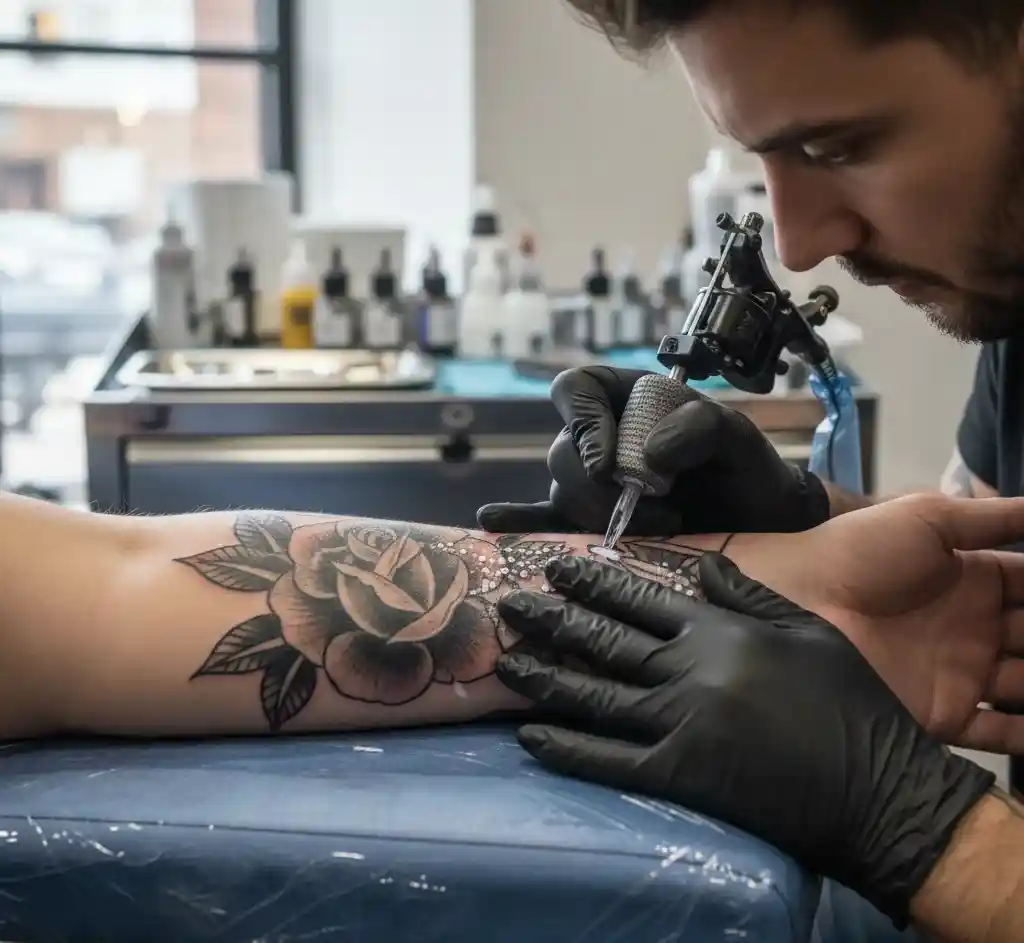
Can White Ink Really Lighten A Tattoo Or Just Change Its Look?
White ink mainly changes how a tattoo looks rather than truly lightening it. The original pigment remains in the skin.
What changes is contrast, brightness, and visual weight. Some areas may appear lighter due to reflection.
Others may look pastel or muted instead. Results vary depending on ink depth and skin healing.
It is best described as a visual softening method. Expect enhancement, not transformation.
What Are The Visible Results After Lightening A Tattoo With White Ink?
Visible results often appear subtle rather than dramatic. Tattoos may look softer and less bold. Fine details can become more noticeable.
Some areas may appear slightly raised during healing. Over time, the ink settles into a smoother finish. Results can differ across the tattoo, especially with mixed colors.
Uneven lightening is possible if the skin reacts differently. Final results are usually seen after several weeks.
How Long Does It Take To See Results After Using White Ink On A Tattoo?
Initial changes are visible once swelling goes down, usually within a week. However, true results take longer to appear. Healing typically takes four to six weeks.
During this time, white ink may look brighter than it will eventually settle. As the skin heals, the pigment softens and blends.
Some fading is normal. Full results should be evaluated only after complete healing.
Is Lightening A Tattoo With White Ink Permanent Or Temporary?
White ink lightening is semi-permanent. The effect lasts but may fade faster than darker inks. Sun exposure, skin type, and aftercare affect longevity.
Over time, white ink can become less noticeable. It does not revert the tattoo back to its original darkness completely.
Touch-ups may be needed to maintain results. The permanence depends on how well the ink settles in the skin.
How To Maintain The Look Of A Tattoo Lightened With White Ink?
Long-term maintenance improves results significantly. Sun protection is the most important factor. Keeping skin moisturized helps ink settle evenly.
Avoid harsh skincare products on the area. Monitor color changes over time. Touch-ups may be needed occasionally. Consistent care keeps the tattoo looking balanced and fresh.
What Are The Risks Of Lightening A Tattoo With White Ink?
There are several risks involved with this technique.
Common risks include:
- Uneven pigmentation
- Scarring from overworking the skin
- White ink turning yellow or gray
- Increased sensitivity during healing
Improper application increases complications. Poor-quality ink can cause discoloration. Choosing an experienced artist reduces these risks significantly. Skin reaction varies from person to person.
Can White Ink Cause Skin Damage Or Pigment Issues?
Yes, white ink can cause issues if not applied correctly. Overworking the skin can lead to scarring. Some people experience allergic reactions or irritation.
White pigment may oxidize and change color over time. This is more noticeable on certain skin tones. In rare cases, patchy healing occurs. Proper technique and patch testing help prevent problems.
Who Should Avoid Lightening A Tattoo With White Ink?
This method is not suitable for everyone. People with very sensitive skin may react poorly. Those prone to keloid scarring should avoid it.
Fresh or still-healing tattoos should never be treated. Very dark or heavily saturated tattoos may not show improvement.
Individuals with skin conditions should consult a professional first. Realistic expectations are essential before proceeding.
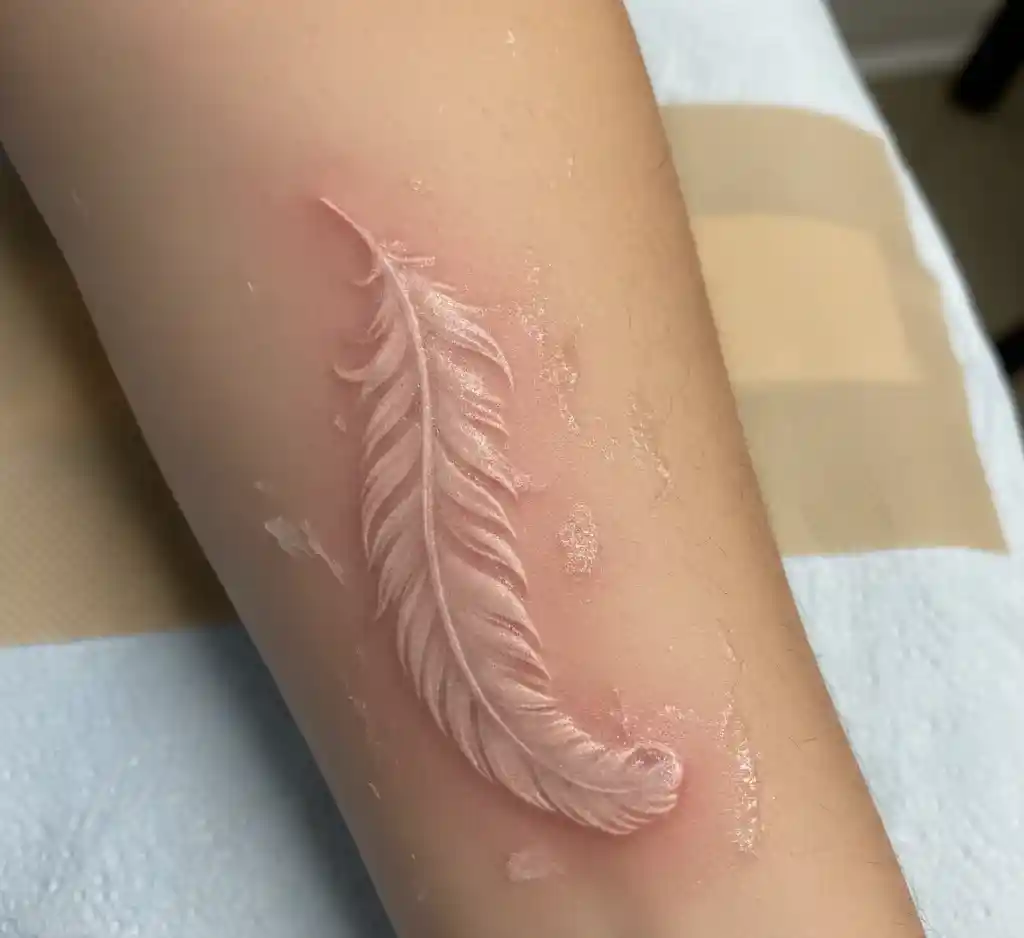
What Is The Healing Process After A White Ink Tattoo Lightening Session?
Healing is similar to regular tattoo healing but may take slightly longer. The area may swell and appear cloudy at first.
Peeling usually starts within a few days. White ink often looks brighter during early healing. As the skin regenerates, the color settles.
Moisturizing and gentle care are essential. Full healing can take up to six weeks.
What Are The Common Healing Stages After White Ink Application?
Healing occurs in predictable stages.
Typical stages include:
- Redness and swelling in the first few days
- Light scabbing or peeling
- Cloudy or milky appearance
- Gradual color settling
Each stage is normal if mild. Excessive pain or discharge is not normal. Avoid picking or scratching. Let the skin heal naturally.
Does Lightening A Tattoo With White Ink Hurt More Than Regular Tattooing?
Pain levels are usually similar to standard tattooing. However, areas already tattooed may feel more sensitive. The skin has been worked before, which can increase discomfort.
Pain depends on location and personal tolerance. Sessions are often shorter, which helps manage discomfort. Proper breaks reduce strain on the skin. Numbing options may be discussed with the artist.
What Aftercare Is Required After Lightening A Tattoo With White Ink?
Aftercare is critical for good results.
Key aftercare steps include:
- Keeping the area clean and dry
- Using a gentle, fragrance-free moisturizer
- Avoiding sun exposure
- Not soaking the tattoo
Improper aftercare can cause discoloration. White ink needs extra protection from UV rays. Healing should not be rushed. Follow the artist’s instructions closely.
How To Prevent White Ink From Turning Yellow Or Gray Over Time?
Discoloration is a common concern with white ink. Sun exposure is the main cause. Using sunscreen once healed helps preserve color.
Avoid tanning beds completely. Proper aftercare during healing prevents pigment issues.
High-quality ink also plays a role. Touch-ups may be needed if discoloration occurs. Long-term care makes a noticeable difference.
Can White Ink Fade Faster Than Other Tattoo Inks?
Yes, white ink tends to fade faster than darker pigments. Its reflective nature makes it more sensitive to light. Skin regeneration can also break down white pigment quicker.
This fading does not mean failure, but maintenance is often required. Placement on high-friction areas increases fading.
Regular care can slow this process. Expectations should be realistic.
How Many Sessions Are Needed To Lighten A Tattoo With White Ink?
Most tattoos require more than one session. One session may not produce noticeable results. Artists often recommend spacing sessions several weeks apart.
This allows the skin to heal fully. Layering white ink gradually gives better results. Overworking in one session increases risk. The number of sessions depends on tattoo density and size.
What Are Better Alternatives To White Ink For Lightening A Tattoo?
White ink is not the only option available.
Alternatives include:
- Laser tattoo fading
- Color correction with lighter tones
- Cover-up tattoos
- Partial reworking of the design
Each method has pros and cons. Laser is more effective for true lightening. Color correction works better for artistic changes. A professional consultation helps choose the best option.
Can White Ink Be Used Before Laser Tattoo Removal?
Using white ink before laser removal is not recommended. White ink reflects laser energy, making removal harder. It can interfere with laser effectiveness.
In some cases, it may cause uneven results. Laser specialists usually advise against it. If removal is planned, white ink should be avoided. Always consult both professionals before combining methods.
How To Choose A Professional Artist For White Ink Tattoo Lightening?
Choosing the right artist is crucial. Look for experience with white ink specifically. Review healed work, not fresh tattoos. Ask about ink quality and technique.
A knowledgeable artist explains realistic outcomes. Clean studio practices are essential. Communication builds trust and better results. Never rush the decision.
What Do Tattoo Experts Say About Lightening Tattoos With White Ink?
Experts generally describe white ink lightening as a subtle enhancement tool. It is not a fix-all solution. Many emphasize the importance of expectations.
Professionals warn about discoloration risks. Most agree it works best for highlights and soft corrections. Expert application reduces complications. Education before treatment is strongly advised.
Is Lightening A Tattoo With White Ink Worth The Risk?
Whether it is worth it depends on personal goals. For subtle softening, it can be effective. For major lightening, it may disappoint.
Risks are manageable with proper technique. Understanding limitations prevents regret. Consulting an experienced artist helps decide. Weighing benefits against risks is essential.
Final Thoughts
Learning How To Lighten A Tattoo With White Ink can help you decide if this method is right for your skin and your tattoo goals.
White ink does not remove a tattoo, but it can soften dark areas, reduce boldness, and improve balance when done by a skilled artist.
The results are usually subtle and depend on factors like skin type, ink color, healing, and aftercare.
Understanding the risks, healing process, and long-term maintenance is important before choosing this option.
When you know what to expect and take proper care of your skin, lightening a tattoo with white ink can be a helpful solution for small corrections rather than a complete change.
Click Here To See More Blogs:
- 16 Stunning Snowdrop Flower Tattoo Designs With Hidden Meanings
- Top 15 I Love You Tattoo Designs Couples Are Loving
- Can You Use A Regular Printer For Tattoo Stencils? Safe Tips & Risks Explained
- Best Tablet For Tattoo Artist: A Complete Guide For Clean, Accurate Designs
- 17 Beautiful Flower Wrist Tattoo Designs You’ll Love
- Can You Get A Tattoo Before Starting Chemo? Risks, Safety & Expert Advice
- What Does A Pink And Blue Ribbon Tattoo Mean? Symbol, Purpose & Care Guide
- 15 Best January Flower Tattoo Ideas For Meaningful Ink
- Can You Tattoo Your Balls? Risks, Pain, Healing & Expert Advice Explained
- 16 Red Tattoo On Black Women That Look Bold & Stunning
- Is Wormhole Tattoo Ink Safe For Skin? Risks, Reactions, And Care Tips Explained
- 15 Stunning Baby Tattoos For Moms You’ll Love Forever
- Playboy Bunny Tattoo Meaning: Hidden Symbolism, Culture & What It Really Represents
- 19 Meaningful God Is Greater Than Highs And Lows Tattoo Ideas
- Fresh Vs Healed Black Tattoo: What’s Normal And What’s Not?
- 18 Beautiful Side Of Hand Tattoo Ideas To Try
- Pink Panther Tattoo Meaning: Symbolism, Personality, And What It Truly Represents
- 17 Stunning Nature Tattoo Designs With Deep Meanings
- How To Sterilize Tattoo Equipment: A Complete Guide For Safe & Clean Tattooing
- How To Sterilize Tattoo Equipment: A Complete Guide For Safe & Clean Tattooing
- Is Dragonhawk A Good Tattoo Brand? Honest Review For Artists & Beginners
- How Much Is A Tapout Tattoo Session? Cost, Pain & What To Expect
- 17 Stunning Olive Tattoo Ideas You’ll Love To See Now