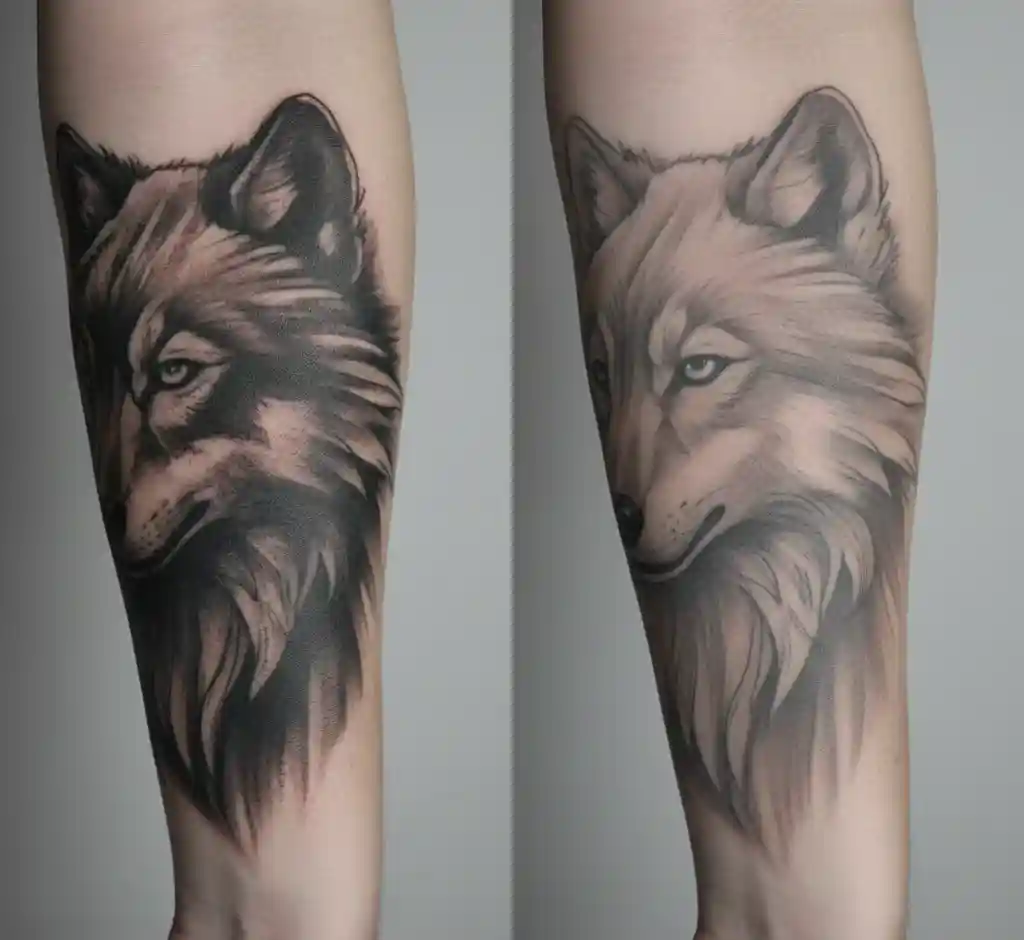
Ever looked at your tattoo and felt disappointed because the shading came out darker than you expected? You’re not alone.
Many people search for how to lighten dark shading on a tattoo after the healing starts and the design feels too heavy, muddy, or overpowering.
What looked fine on day one can suddenly feel off once the swelling goes down and the ink settles into the skin.
This can be frustrating, especially when the tattoo means something personal to you.
The good news is that dark shading doesn’t always mean a ruined tattoo. There are safe, proven ways to soften and balance it over time.
Understanding how to lighten dark shading on a tattoo starts with knowing why it happens, what’s normal during healing, and when to take action.
With the right care, patience, and expert help, many tattoos can be improved and brought closer to the look you originally wanted.
What Causes Dark Shading in a Tattoo to Look Too Heavy or Uneven?
Dark shading usually happens when too much ink is packed into the skin or when the needle passes over the same area multiple times.
This can cause ink to spread deeper than intended, making the shading look heavier once healed.
Skin type also plays a role—oily or thicker skin can hold pigment more strongly. In some cases, swelling during the session hides how dark the shading actually is, so it looks fine at first but heals darker.
Poor lighting during tattooing or rushed shading techniques can also lead to uneven results.
Overworking the skin may cause ink migration, which makes shading blur or darken further as it heals.
How Can You Tell If Your Tattoo Shading Is Too Dark or Overworked?
A tattoo with overly dark shading often looks muddy instead of smooth and blended. Fine details may disappear under thick shadowing, and the tattoo can lose contrast.
Overworked shading may also heal with excessive scabbing, prolonged redness, or patchy darkness.
If the tattoo still looks unusually dark after 6–8 weeks of healing, that’s a key sign. You may also notice the shaded area feels slightly raised or textured.
Comparing healed areas to the original stencil or reference image often reveals if the shading is heavier than intended.
How to Lighten Dark Shading on a Tattoo Naturally During Healing?
During healing, the body naturally sheds excess ink as the skin regenerates. Proper aftercare plays a big role in how much the shading softens.
Keeping the skin moisturized prevents scabs from pulling ink back into the skin. Avoid picking, scratching, or over-washing, as this can trap pigment.
Staying hydrated helps skin heal more evenly. Gentle exfoliation should only be done after full healing, never on fresh tattoos.
While natural fading is limited, consistent care can noticeably soften dark shading over time.
Can Dark Tattoo Shading Fade on Its Own Over Time?
Yes, most tattoos fade naturally as the skin renews itself. Dark shading often lightens slightly within the first 3–6 months after healing.
UV exposure, skin turnover, and lifestyle factors all contribute to gradual fading. However, very dense shading may only fade minimally without intervention.
Areas with frequent movement or friction, like arms or ribs, tend to fade faster.
While time alone won’t fix severe over-shading, it often improves contrast and softness enough that the tattoo looks more balanced.
How Long Should You Wait Before Trying to Lighten Dark Shading on a Tattoo?
It’s important to let the tattoo heal fully before attempting any lightening method. Most professionals recommend waiting at least 8–12 weeks.
This allows swelling to subside and ink to settle properly. Acting too soon can damage the skin and worsen the appearance.
Some tattoos look darker during early healing but soften naturally later.
Waiting also helps artists accurately judge how much lightening is actually needed. Patience at this stage prevents unnecessary treatments.
What Are the Safest Professional Methods to Lighten Dark Shading on a Tattoo?
Professional options focus on controlled ink reduction rather than removal. Common safe methods include:
- Laser tattoo lightening (low intensity sessions)
- Targeted shading correction by an experienced tattoo artist
- Selective fading to restore contrast
These approaches reduce pigment gradually, minimizing skin trauma. Professionals assess ink depth, skin type, and tattoo age before treatment. Multiple sessions are often required for subtle, natural-looking results. This controlled approach prevents scarring and preserves the original design.
Can Laser Tattoo Lightening Fix Dark Shading Without Full Removal?
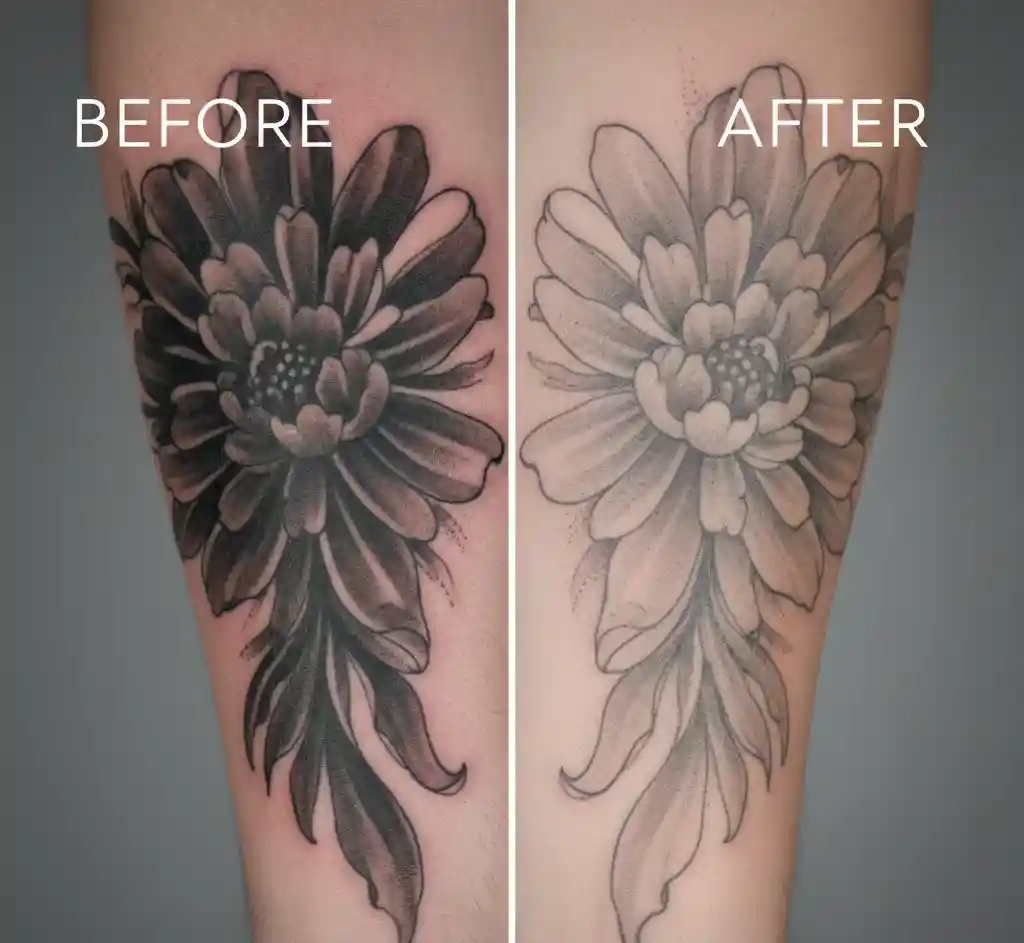
Yes, laser lightening is commonly used to soften dark shading without erasing the tattoo. Lower-energy laser settings break down excess pigment while leaving lighter lines intact.
This method is ideal for over-shaded areas that need contrast. Results appear gradually over several weeks as the body clears ink particles.
It’s safer than aggressive removal and allows for future touch-ups or reworking. A skilled technician is crucial to avoid uneven fading.
How Effective Is White Ink or Highlighting for Softening Dark Tattoo Shading?
White ink highlights can help restore contrast, but they don’t truly lighten dark ink underneath. White ink often settles translucently and may fade or discolor over time.
It works best when used sparingly to enhance edges or add depth. Overusing white ink can make the tattoo look cloudy.
Many artists prefer combining subtle highlights with lightening techniques for better results. When done correctly, it can visually soften dark shading without altering the original design too much.
What Aftercare Steps Help Reduce the Appearance of Dark Tattoo Shading?
Consistent aftercare improves healing quality and prevents further darkening:
- Moisturize regularly to avoid thick scabs
- Avoid sun exposure during healing
- Do not over-clean the tattoo
- Let peeling happen naturally
Healthy skin heals more evenly, which helps shading look smoother. Long-term care, including sun protection, also slows ink darkening caused by UV damage. Good aftercare doesn’t remove ink, but it prevents shading from looking harsher.
Does Sun Exposure Help or Harm When Trying to Lighten Tattoo Shading?
Sun exposure can fade tattoos, but it’s not recommended as a lightening method. UV rays damage skin and break down ink unevenly, often causing blurring rather than controlled fading.
It also increases the risk of premature aging and color distortion. While tattoos naturally fade over years, intentional sun exposure leads to poor-quality results.
Using sunscreen protects clarity and keeps shading from turning muddy. Safe lightening should always prioritize skin health.
What Are the Risks of Trying to Lighten Dark Tattoo Shading at Home?
At-home methods can be dangerous and ineffective. Common risks include:
- Skin irritation and burns
- Scarring or hyperpigmentation
- Infection from broken skin
- Uneven fading or patchiness
DIY creams, acids, or scrubs do not selectively remove ink. They damage the skin surface instead. Once scar tissue forms, correcting the tattoo becomes much harder. Professional guidance is always safer and more predictable.
How Does Skin Type Affect Dark Shading and Tattoo Lightening Results?
Skin type influences how ink settles and fades. Thicker or oilier skin tends to hold pigment more strongly, making shading appear darker.
Sensitive skin may react with swelling that hides shading depth during tattooing.
Melanin levels can also affect how lasers interact with pigment. Healing speed varies between individuals, impacting fading timelines.
A tailored approach based on skin type produces better lightening results and reduces complications.
What Are the Healing Stages After Tattoo Shading Lightening Treatments?
After lightening treatments, the skin goes through several stages:
- Initial redness and sensitivity
- Mild swelling or dryness
- Gradual fading over weeks
- Skin texture normalization
Ink particles are slowly flushed out by the immune system. Results are not instant and continue improving for weeks. Proper aftercare is essential to avoid pigment loss in unintended areas. Healing time depends on treatment intensity and skin health.
Can Touch-Up Sessions Make Dark Shading Look Softer and More Balanced?
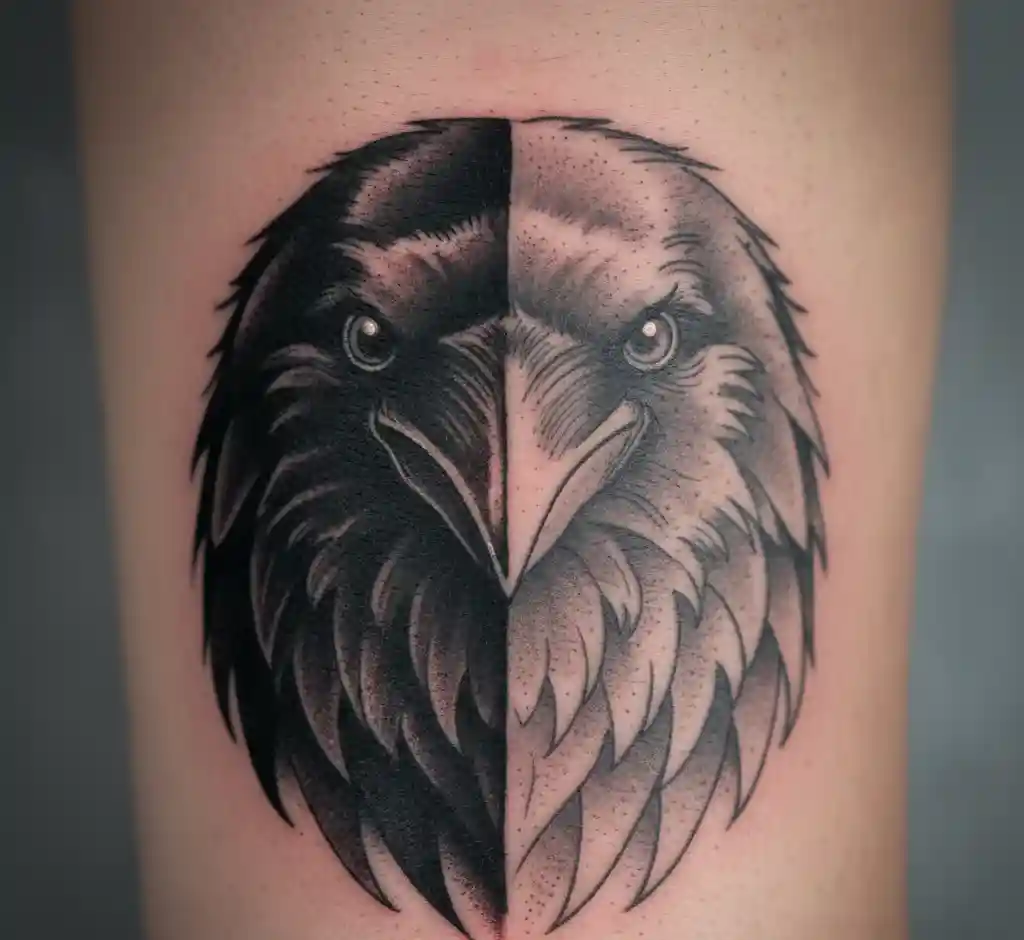
Yes, skilled touch-ups can dramatically improve overly dark shading. Artists may rework gradients, add contrast, or adjust transitions between light and dark areas.
Sometimes soft gray washes are layered to rebalance depth. Touch-ups don’t remove ink but redistribute visual weight.
This method works best when the original tattoo is fully healed. Choosing an experienced artist is key to achieving natural-looking results.
How to Prevent Tattoo Shading from Becoming Too Dark in Future Tattoos?
Prevention starts before the needle touches skin:
- Choose an experienced artist known for smooth shading
- Ask to see healed photos, not just fresh work
- Discuss shading intensity clearly beforehand
- Request lighter passes with room to build depth
It’s always easier to darken later than to lighten. Taking breaks during sessions also helps assess true shading depth. Clear communication prevents disappointment.
When Should You Consult a Professional Tattoo Artist or Laser Specialist?
You should seek professional advice if the shading still looks too dark after full healing or if details are lost. A consultation helps determine whether lightening, reworking, or simple patience is best. Professionals can spot issues that aren’t obvious to untrained eyes. Early guidance prevents unnecessary damage. Getting expert input saves time, money, and skin health in the long run.
What Do Tattoo Experts Recommend for Fixing Overly Dark Shading?
Most experts recommend a conservative, step-by-step approach. Let the tattoo heal fully, then reassess.
If needed, start with minimal laser lightening or subtle reworking. Avoid aggressive fixes that risk scarring.
Experts emphasize skin health, patience, and realistic expectations. When handled correctly, even heavily shaded tattoos can be improved without losing their original character.