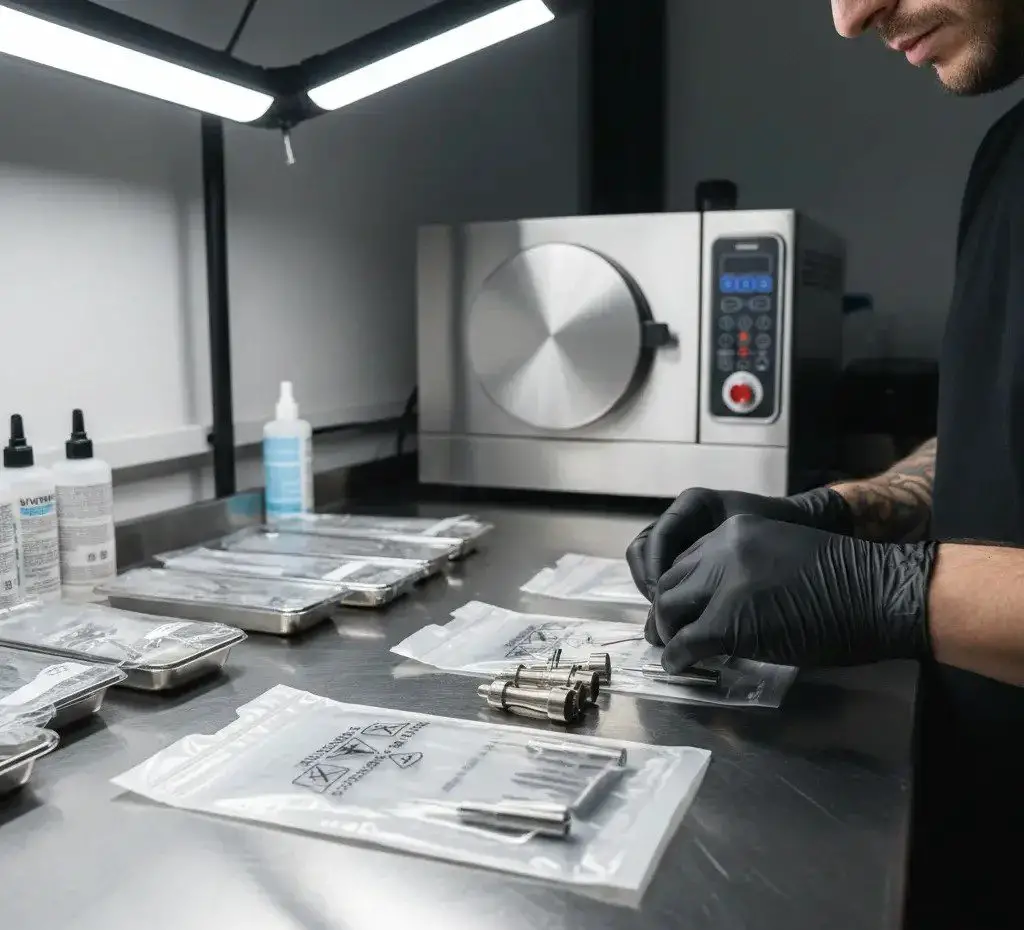
Ever wondered what can go wrong if tattoo tools are not truly clean? One small mistake with dirty equipment can lead to infections, slow healing, or even serious health problems.
That’s why learning How To Sterilize Tattoo Equipment is not just for professional artists—it matters to anyone who cares about tattoo safety.
Sterilization is the first line of protection between healthy skin and harmful germs that you cannot see with your eyes.
In this guide, you’ll learn How To Sterilize Tattoo Equipment the right way, using simple steps that actually work.
No confusing medical terms, no overcomplicated methods—just clear, practical information you can understand and follow with confidence.
Whether you are a beginner tattoo artist or someone who wants to know what safe tattooing looks like, this introduction sets the foundation for clean tools, safer tattoos, and better results.
What Does “How To Sterilize Tattoo Equipment” Mean in Professional Tattooing?
Sterilizing tattoo equipment means removing all bacteria, viruses, fungi, and spores from tools before use. It is more than just cleaning with soap or alcohol.
True sterilization kills harmful microorganisms that can cause serious infections. In professional tattooing, sterilization includes proper cleaning, disinfection, and often using high-heat equipment like autoclaves.
This process ensures tools are completely safe for skin contact. Without proper sterilization, even clean-looking tools can carry invisible germs.
Why Is It So Important to Sterilize Tattoo Equipment Before Every Session?
Every tattoo session involves breaking the skin, which creates a direct path for germs to enter the body. Sterilizing equipment before each session prevents infections and diseases.
Even if tools were sterilized earlier, they can become contaminated during storage or handling. Fresh sterilization ensures maximum safety.
It also protects artists from cross-contamination between clients. Proper sterilization builds trust and professionalism.
What Happens If Tattoo Equipment Is Not Sterilized Properly?
Unsterilized tattoo equipment can cause serious health problems. Germs can enter open skin and spread quickly.
This may lead to infections, delayed healing, scarring, or permanent damage. In severe cases, it can spread bloodborne diseases.
Poor sterilization also ruins tattoo quality, causing fading or uneven ink. Many tattoo complications begin with dirty tools.
What Infections and Diseases Can Spread From Unsterilized Tattoo Equipment?
Dirty tattoo equipment can transmit dangerous infections, including:
- Bacterial infections (staph, skin abscesses)
- Fungal infections
- Hepatitis B and C
- HIV (in rare but serious cases)
- Blood poisoning (sepsis)
These risks make proper sterilization essential. Many of these diseases do not show symptoms immediately but can cause long-term health issues.
How Can Poor Sterilization Affect Tattoo Healing and Final Results?
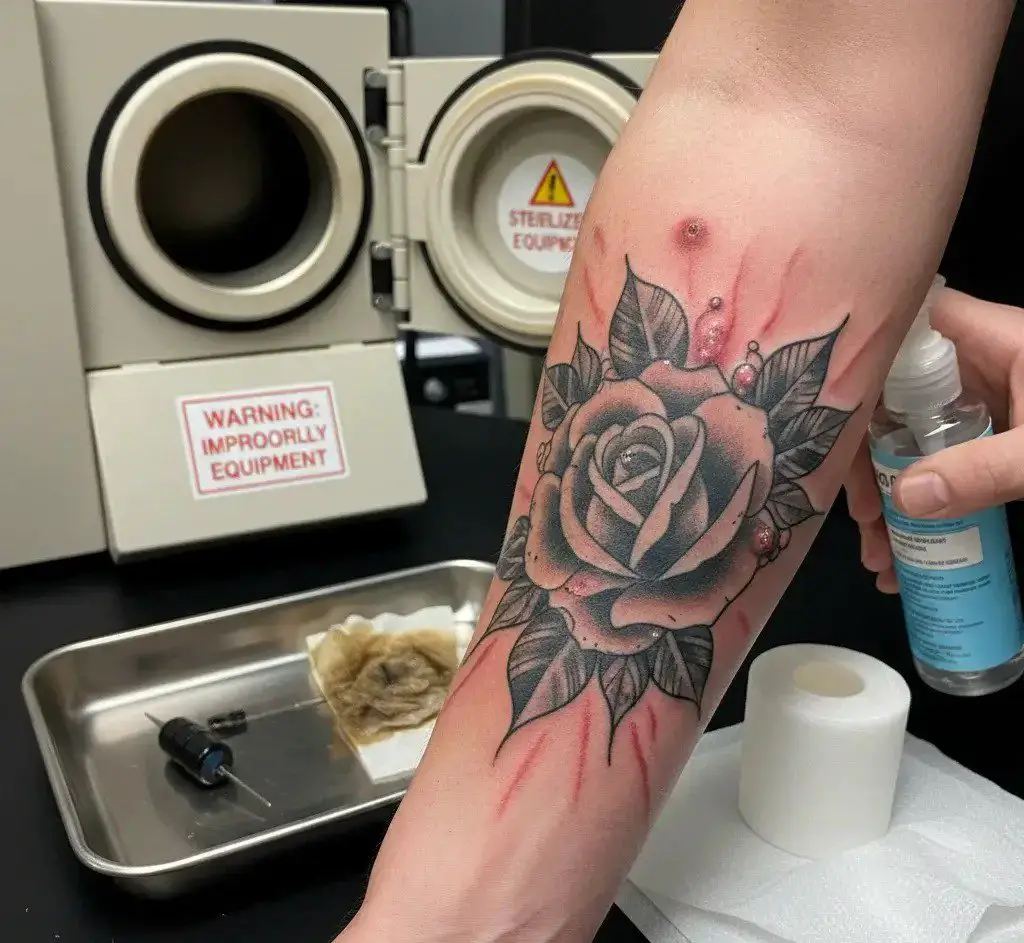
Poor sterilization slows healing and increases swelling and redness. Infected tattoos may ooze, scab excessively, or develop pus.
This damages the skin and pushes ink out, making the tattoo look patchy or faded. Healing time becomes longer and more painful.
In some cases, scars form that permanently affect the tattoo’s appearance. Clean tools support smooth, healthy healing.
What Are the Most Common Causes of Contaminated Tattoo Equipment?
Contamination often happens due to simple mistakes, such as:
- Skipping sterilization steps
- Reusing disposable items
- Touching clean tools with bare hands
- Poor storage conditions
- Using weak disinfectants
Even experienced artists can make errors if they rush or ignore hygiene rules. Awareness helps prevent these issues.
Which Tattoo Tools Must Always Be Sterilized Without Exception?
Any tool that touches skin or blood must be sterilized, including:
- Tattoo needles
- Tubes and grips (if reusable)
- Tip holders
- Metal tools
- Ink caps (if reusable)
Items that cannot be sterilized properly should always be single-use and disposed of safely.
How To Sterilize Tattoo Equipment at Home Safely for Beginners?
Beginners must be extra careful. Start by washing tools with warm water and soap. Then disinfect using medical-grade solutions.
If possible, use an autoclave. If not, combine boiling, chemical disinfectants, and sealed storage. Never reuse needles.
Home setups should follow professional hygiene rules to avoid serious risks.
What Is the Best Way to Sterilize Tattoo Needles and Tubes?
The safest method is using pre-sterilized, single-use needles. For reusable tubes:
- Wash thoroughly
- Use ultrasonic cleaners if available
- Sterilize in an autoclave
- Store in sealed, sterile pouches
This ensures complete germ removal.
Can Boiling Water Effectively Sterilize Tattoo Equipment?
Boiling water can kill many germs but does not remove all spores and viruses. It is not considered full sterilization.
Boiling may be used as a temporary method, but it is not reliable for professional tattooing. Always follow up with proper disinfectants or autoclave use. Boiling alone is risky.
How Does an Autoclave Work for Tattoo Equipment Sterilization?
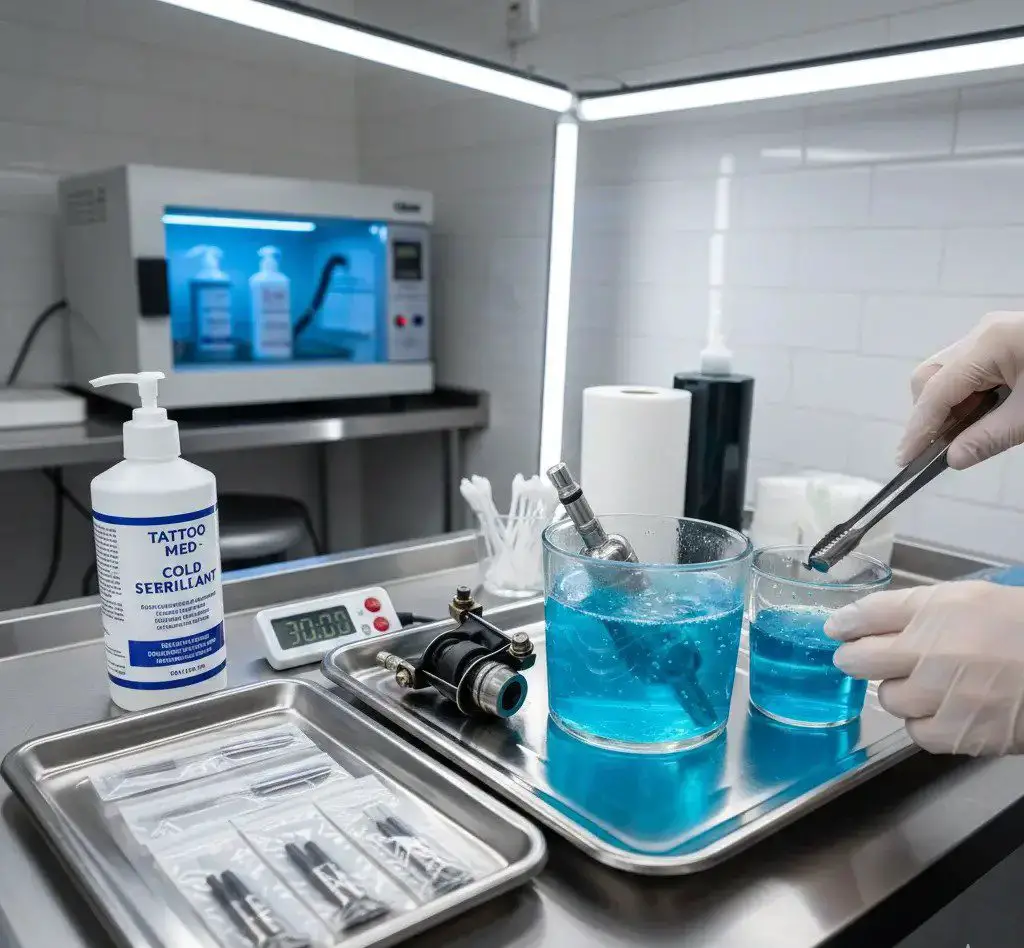
An autoclave uses high heat, pressure, and steam to kill all microorganisms. Tools are sealed inside sterilization pouches and heated for a set time.
This method is medical-grade and highly reliable. Autoclaves are the gold standard for professional tattoo studios. They provide consistent and verifiable results.
Is an Autoclave Mandatory for Professional Tattoo Artists?
In most regions, yes. Health departments often require autoclaves for reusable tools. They ensure legal compliance and client safety.
While disposable tools reduce reliance on autoclaves, professional studios still need one. It shows commitment to hygiene standards and professionalism.
How To Sterilize Tattoo Equipment Without an Autoclave?
If an autoclave is unavailable:
- Use single-use disposable tools
- Clean tools thoroughly
- Use hospital-grade disinfectants
- Store items in sealed containers
This is a backup solution, not a replacement for autoclaves. It reduces risk but does not eliminate it completely.
Which Disinfectants Are Safe and Effective for Tattoo Equipment?
Effective disinfectants include:
- Isopropyl alcohol (70%)
- Medical-grade surface disinfectants
- Enzymatic cleaners
- Approved sterilization solutions
Always follow product instructions. Never mix chemicals, as this can be dangerous.
How Long Should Tattoo Equipment Be Sterilized for Full Safety?
Sterilization time depends on the method used. Autoclaves follow specific cycles, usually 15–30 minutes.
Chemical disinfectants may need soaking for extended periods. Rushing this process reduces effectiveness. Always allow full sterilization time for complete safety.
What Are the Signs That Tattoo Equipment Is Not Properly Sterilized?
Warning signs include:
- Visible residue or ink buildup
- Rust or damage on tools
- Strange smells
- Poor healing in multiple clients
If tools appear questionable, do not use them.
Can Improper Sterilization Cause Tattoo Infections Even With Good Aftercare?
Yes. Aftercare cannot fix an infected tattoo caused by dirty tools.
Even perfect aftercare will not prevent infections if bacteria were introduced during tattooing. Sterilization is the first and most important safety step.
How Does Proper Sterilization Help Tattoos Heal Faster?
Clean tools reduce trauma to the skin. This allows the body to focus on healing rather than fighting infection.
Proper sterilization leads to less swelling, fewer scabs, and better ink retention. Healing becomes smoother and faster.
What Role Does Sterilization Play in Preventing Tattoo Scarring?
Infections increase skin damage, which leads to scars. Sterilized equipment minimizes irritation and inflammation.
This protects skin layers and helps tattoos heal evenly. Proper hygiene greatly reduces permanent skin damage.
How Often Should Tattoo Equipment Be Sterilized in a Busy Studio?
After every single client, without exception. Tools should never be reused without full sterilization.
Even during busy days, hygiene rules must not be skipped. Consistency is key to safety.
What Are Single-Use Tattoo Supplies and Why Are They Important?
Single-use supplies include needles, ink caps, gloves, and razors. These items are used once and disposed of.
They eliminate cross-contamination risks and simplify sterilization processes. They are essential for modern tattoo safety.
How To Store Sterilized Tattoo Equipment to Keep It Germ-Free?
Sterilized tools should be stored in sealed pouches or containers. Keep them in dry, clean areas away from dust.
Avoid touching them with bare hands. Proper storage keeps tools sterile until use.
What Sterilization Mistakes Do Beginner Tattoo Artists Often Make?
Common mistakes include:
- Reusing needles
- Skipping cleaning steps
- Trusting boiling alone
- Poor storage habits
- Touching sterile tools incorrectly
Education and practice help avoid these errors.
How Can Clients Tell If a Tattoo Artist Uses Proper Sterilization?
Clients should look for:
- New needles opened in front of them
- Gloves worn at all times
- Clean workstations
- Sterilization equipment visible
- Clear hygiene procedures
Asking questions is always okay.
What Safety Standards Do Professional Tattoo Studios Follow?
Professional studios follow health department rules, including sterilization logs, autoclave testing, and waste disposal systems.
These standards protect both artists and clients. Licensed studios are required to meet strict hygiene laws.
How To Create a Sterilization Routine That Prevents Cross-Contamination?
A strong routine includes:
- Cleaning before and after sessions
- Separate clean and dirty zones
- Disposable barriers
- Proper glove changes
- Consistent tool handling rules
Routine reduces mistakes and improves safety.
Does Sterilization Reduce the Risk of Bloodborne Diseases?
Yes, proper sterilization greatly lowers the risk of transmitting bloodborne diseases.
Combined with disposable tools and gloves, it creates a safe environment. This protects everyone involved in the tattoo process.
What Should You Do If You Suspect Tattoo Equipment Was Not Sterilized?
Stop the session immediately. Do not continue tattooing. Clean the area, replace tools, and sterilize properly.
If a tattoo was already done, monitor for infection signs and seek medical advice if needed.
How To Educate Yourself on Tattoo Sterilization as a New Artist?
Learn from certified courses, health guidelines, and experienced professionals. Study sterilization manuals and local health laws.
Practice hygiene daily. Education builds confidence and prevents costly mistakes.
What Do Professional Tattoo Artists Recommend for Long-Term Sterilization Safety?
Experts recommend using autoclaves, disposable supplies, strict routines, and continuous learning.
Never compromise on hygiene to save time or money. Long-term safety protects your career, reputation, and clients.
Final Thoughts
Sterilizing tattoo tools is the most important step in safe tattooing, and it should never be ignored.
This article explained How To Sterilize Tattoo Equipment properly, why it matters, what tools must be cleaned, and which methods actually keep germs away.
Using clean, sterilized equipment helps prevent infections, supports faster healing, protects skin, and improves tattoo results.
Whether you are a beginner or a professional, following the right sterilization steps every time keeps both the artist and the client safe.
Remember, learning How To Sterilize Tattoo Equipment the correct way builds trust, protects health, and ensures every tattoo is done the safe and professional way.
Click Here To See More Blogs:
- How To Sterilize Tattoo Equipment: A Complete Guide For Safe & Clean Tattooing
- Is Dragonhawk A Good Tattoo Brand? Honest Review For Artists & Beginners
- How Much Is A Tapout Tattoo Session? Cost, Pain & What To Expect
- 17 Stunning Olive Tattoo Ideas You’ll Love To See Now
- 16 Stunning SpongeBob Tattoo Designs That Are Too Cute To Ignore
- Best Temporary Tattoo Paper: Top Picks For Smooth, Real Designs
- 15 Beautiful Flower Back Tattoo Designs You’ll Love
- What Does A Lamb Tattoo Mean? Symbolism, Healing, And Full Guide
- 19 Stunning Butterfly Spine Tattoo Ideas You’ll Love
- Best Coil Tattoo Machines For Beginners: Easy Picks For Clean Lines & Smooth Learning
- 17 Girl Arm Tattoos That Look Stunning On Every Style
- 19 Stunning Everything Happens For A Reason Tattoo Ideas You’ll Love
- Top 16 Father Daughter Tattoos With Stunning Meaning Ideas
- 15 Stunning Serenity Prayer Tattoo Designs To Try
- A Complete Guide To Mixing Black And Grey With Color Tattoos For Bold, Balanced Designs
- Top 16 Twin Tattoos Every Pair Will Love Instantly
- How Long After Eyebrow Tattoo Can I Get Botox? The Safe Timing Guide
- 16 Stunning 1 of 1 Tattoo Ideas With Deep Meaning
- Why Can’t You Get A Tattoo While Breastfeeding? Risks, Tips, And Expert Advice
- Do Tattoos Make Your Arms Look Bigger? The Complete Easy Guide
- 18 Best Three Crosses Tattoo Designs With Powerful Symbolism
- 16 Stunning Name Cover Up Tattoos For Women You’ll Love
- 18 Beautiful Handwriting Tattoo Designs You’ll Love
- Does Smoking Affect Tattoo Healing? How Smoking Impacts Your New Ink
- 16 Cowboy Bebop Tattoo Ideas That Look Absolutely Stunning
- How To Cover Up A Neck Tattoo For Work: Easy Tips For Professionals
- 15 Best Baseball Tattoo Styles Every Fan Should See
- How To Remove Tegaderm From Tattoo Safely (Easy Step-by-Step Guide)
- 15 Stunning Small Hummingbird Tattoo Ideas To Try Now
- Top 16 Year Tattoo Number Designs You’ll Love Forever
- How To Hide A Tattoo On Your Hand Without Anyone Noticing
- 15 Best Female Tattoos That Look Gorgeous On Anyone
- Why Your Tattoo Burns After Lotion And How To Fix It
- Top 18 Beautiful Flower Leg Tattoos For Women
- Can You Tattoo Over A Mosquito Bite? Here’s What You Should Know
- 17 Meaningful Bird Tattoos For Women You’ll Fall In Love With