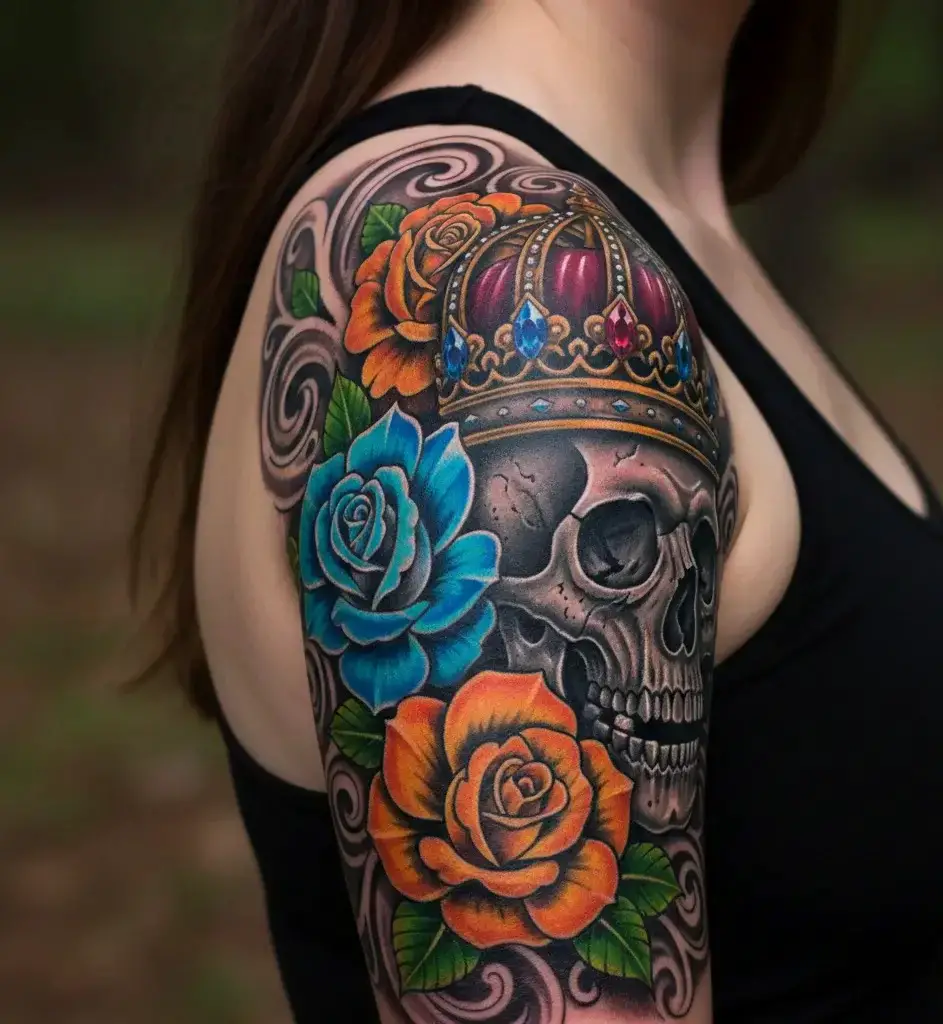
Have you ever seen a tattoo that looks bright in some areas but soft and shadowed in others? Many people love this style but don’t know how it works.
That’s why mixing Black And Grey With Color Tattoos has become such a popular topic—because it blends two completely different techniques to create one powerful design.
It can make certain details stand out, add a dramatic mood, and give the tattoo a unique personality that a single style can’t achieve on its own.
What Does Mixing Black and Grey With Color Tattoos Actually Mean?
Mixing black and grey with color tattoos means blending classic shading techniques with bold, vibrant pigments to create contrast and depth in one design.
Instead of sticking to either a full black-and-grey or full-color tattoo, the artist uses both styles strategically.
This can make certain areas look softer, while other areas appear brighter and more dramatic. Artists often use grey wash to build shadows and use color to highlight focal points.
When done well, this mix creates a balanced, eye-catching result. It’s especially popular in realism, neo-traditional, and illustrative tattoos.
Why Do Artists Mix Black and Grey With Color Tattoos, and What Effects Can It Create?
Artists combine these styles to control contrast, build mood, and guide the viewer’s eye toward the main details of the tattoo.
Black and grey shading can make bright colors look even more vibrant by giving them a strong background.
This mix also allows delicate areas, like faces or soft textures, to stay subtle while keeping the design visually interesting.
For pieces like portraits, flowers, or animals, mixing styles helps achieve a more realistic effect.
It also gives artists freedom to play with light and shadow in a more artistic way. Overall, it adds depth, drama, and flexibility to the design.
Does Mixing Black and Grey With Color Change How Vibrant the Final Tattoo Looks?
Yes, the vibrancy of the tattoo depends heavily on how the shading and colors are combined.
If too much black is used, it can overpower the color and make it look muted.
When done correctly, black and grey shading becomes a background that allows bright tones to shine more clearly.
Artists usually avoid mixing black directly into the color because it can make the pigment muddy.
Instead, they build soft shadows with grey wash so the color sits clean on top. This method keeps the design bold while still balanced.
What Skin Tones Work Best for Tattoos That Combine Black, Grey, and Color?
Mixed-style tattoos can work well on every skin tone, but the color choices and shading techniques may vary.
Darker skin tones usually benefit from bolder colors like red, blue, and purple that stand out even with strong shading.
Lighter skin tones can carry both bright and pastel shades, giving more flexibility. The key is choosing colors that contrast enough with the natural skin tone to maintain clarity.
Black and grey usually show well on all skin types, making this combination versatile. A skilled artist will plan the shading and color placement according to your skin tone.
Can Mixing Black and Grey With Color Cause the Tattoo to Look Patchy or Washed Out?
It can happen if the techniques are not done correctly, especially when the shading is too heavy or the color is placed unevenly.
Patchiness often appears when grey wash spreads or mixes into fresh color pigment.
Sometimes the tattoo looks washed out if the artist doesn’t layer the color well or uses the wrong needle configuration.
Poor aftercare can also cause fading and uneven healing. The safest way to avoid this issue is working with an artist who specializes in mixed-style designs.
A well-planned piece should look smooth, blended, and consistent.
What Common Mistakes Happen When Black and Grey Are Mixed With Color Tattoos?
Common mistakes include using too much black near the color, which can make the color appear dull.
Another issue is creating unclear transitions between grey shading and bright areas.
Some artists place soft grey under yellow or light tones, causing them to look muddy after healing. Colors can also bleed if the skin is overworked.
Using low-quality ink or incorrect layering can create uneven results. These mistakes usually happen when the artist lacks experience with mixed-style tattooing.
Are There Any Risks of Ink Migration or Blending Issues When Combining These Styles?
Yes, mixing styles increases the chance of pigments migrating or blending poorly, especially if shading and color are placed too close together.
Overworking the skin can cause the ink to spread under the top layer, making the design look blurred.
Grey wash can also mix with fresh color if the artist works too fast. Clients with sensitive or thin skin may experience more bleeding or swelling, which affects the blending process.
Proper needle control and spacing reduce these risks. Choosing a skilled artist is the best way to avoid technical problems.
How Do I Know if My Artist Has Enough Experience With Black, Grey, and Color Mix Tattoos?
Look at their portfolio and check whether they have done mixed-style tattoos before. You should see clean transitions between grey and color, smooth shading, and consistent vibrancy.
Ask the artist how they plan their layering process and what ink combinations they prefer. A confident artist will explain their method clearly.
Read client reviews to see if others were satisfied with long-term results. Good artists also discuss aftercare in detail because mixed tattoos require careful healing.
How Does the Healing Process Differ for Tattoos That Mix Black and Grey With Color?
Mixed-style tattoos may heal slightly differently because color and shading react differently with the skin.
The grey wash areas usually heal faster because they require less ink saturation. Color sections can take longer to settle, especially bright or layered pigments.
During healing, the tattoo might look uneven, but this is normal.
Some areas peel while others appear dull before the color brightens again. Proper moisture balance is important because dry skin can cause cracking in color-heavy sections.
What Should I Expect During Each Healing Stage of a Mixed-Style Tattoo?
- Stage 1: Redness & Swelling: The tattoo looks fresh, shiny, and slightly raised.
- Stage 2: Scabbing & Peeling: Grey areas may heal first, while colored areas peel more noticeably.
- Stage 3: Dull Phase: The tattoo may look faded until the top skin layer fully settles.
- Stage 4: Brightening Phase: Colors become vibrant again as skin regenerates.
- Stage 5: Final Settle: The entire tattoo evens out, and shading blends smoothly.
Mixed tattoos take about 3–6 weeks to fully reveal their final look.
Why Can Some Colors Fade Faster When Paired With Black and Grey Ink?
Colors like yellow, white, and light green fade faster because they have less pigment strength. When placed near bold black shading, the contrast can make the fading more noticeable.
If grey wash sits beneath a light color, it can dull the final result over time. Sun exposure also causes bright tones to lose intensity faster than black.
Proper aftercare and sunscreen help maintain balance between the shades. Using high-quality ink reduces long-term fading.
How Should I Care for a Tattoo That Blends Black and Grey With Color to Keep It Vibrant?
Keep the tattoo clean and moisturized using a fragrance-free aftercare product. Avoid scratching or peeling the flakes because this can remove pigment from colored areas.
Stay out of the sun completely during the healing phase. After healing, use SPF daily to protect the color sections from fading.
Drink plenty of water to keep your skin healthy, as dry skin makes tattoos appear dull. Avoid soaking the tattoo in pools or hot tubs for at least two weeks.
What Aftercare Mistakes Can Damage a Black-Grey-and-Color Mixed Tattoo?
- Overwashing the tattoo, which strips natural moisture
- Using scented lotions that irritate the skin
- Tugging off scabs or peeling flakes too early
- Letting clothing rub directly on fresh color
- Applying too much ointment, causing clogged pores
- Exposing the tattoo to sun during healing
Any of these mistakes can cause patchiness or dulling in both shaded and colored sections.
Can You Fix or Brighten a Tattoo Where the Black and Grey Overpowered the Color?
Yes, a skilled artist can brighten or restore color by layering new pigment over the faded areas. They may also lighten some grey areas with highlights or skin-tone shading.
Sometimes adjusting contrast in the background helps color stand out more. If the design feels too dark, artists may add new elements to balance the tone.
Small touch-ups can completely transform the tattoo’s appearance. A consultation helps determine the most effective solution.
How Can Touch-Ups Improve the Balance Between Black, Grey, and Color in a Tattoo?
Touch-ups allow the artist to reinforce faded colors and refine shading to create cleaner transitions. They can sharpen key areas, define outlines, or brighten certain tones.
Grey wash sections may be softened if they look too harsh near bright pigments. Touch-ups also fix uneven healing or older areas that lost detail.
This process refreshes the tattoo and restores harmony between the different styles. Most artists recommend touch-ups after the tattoo fully settles.
What Tattoo Styles Look Best When Black and Grey Are Mixed With Color?
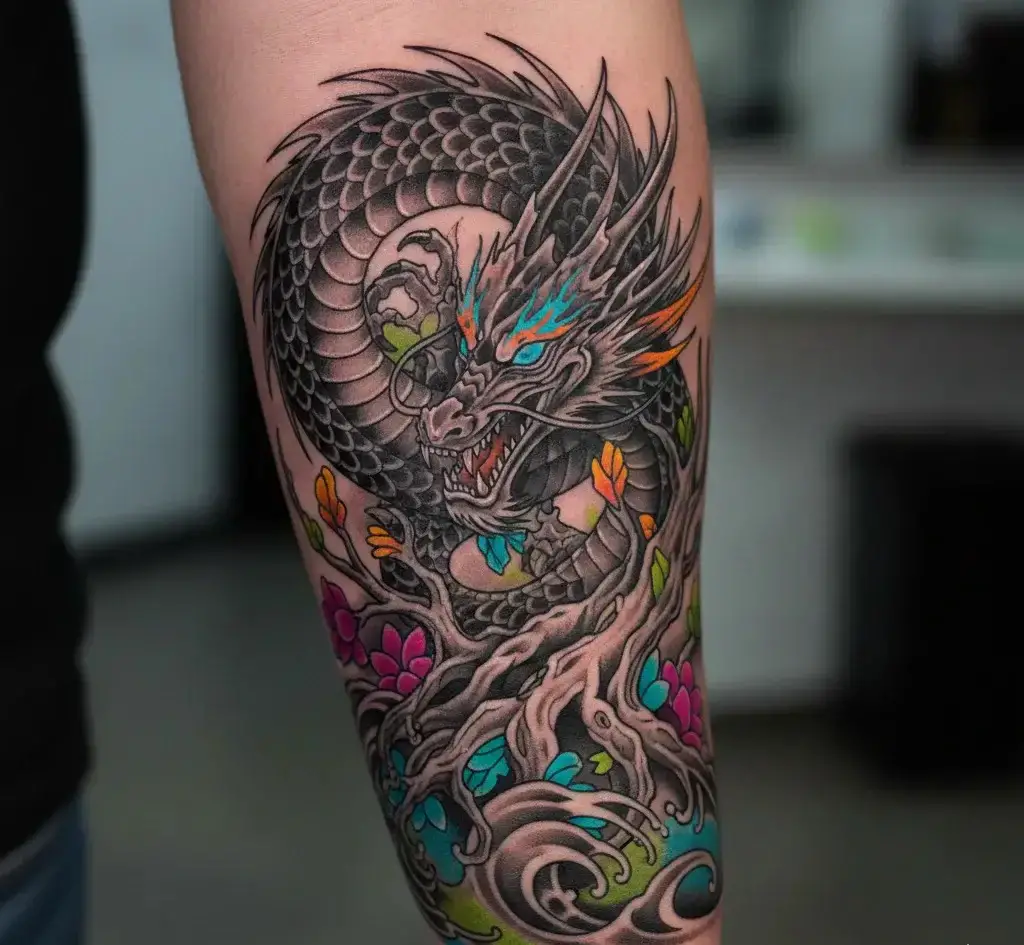
This combination looks stunning in styles like realism, neo-traditional, illustrative, watercolor blends, and Japanese tattoos.
Black and grey create structure, while color adds emotion and personality. Portraits look more lifelike when shadows are grey and focal points are colored.
Floral tattoos benefit from soft grey backgrounds that frame the petals.
Mythological or fantasy designs can achieve dramatic contrast using both styles. Mixed-style tattoos work best when the design requires depth and bold highlights.
What Techniques Do Professional Artists Use to Blend Black, Grey, and Color Smoothly?
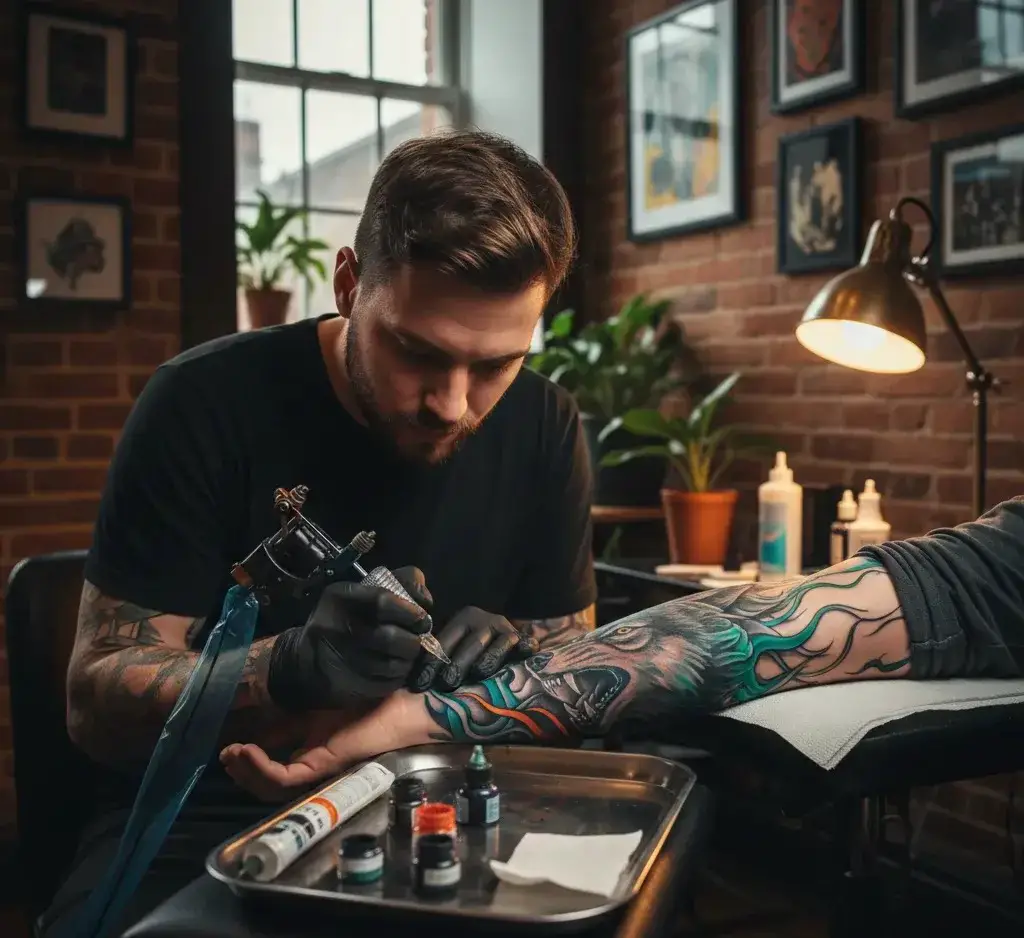
Artists use various shading speeds, smooth needle transitions, and specific layering sequences. They often complete black and grey areas first so the stencil stays clear.
After the shading settles, they add color on top or beside it without overlapping wet ink. Soft gradients are created using diluted grey wash.
Saturated colors are packed carefully to avoid mixing with darker tones. Every technique is planned to keep the artwork crisp and balanced.
Is It Cheaper or More Expensive to Get a Tattoo That Combines Black, Grey, and Color?
Mixed-style tattoos are usually more expensive because they require advanced skill and multiple techniques.
The artist spends extra time blending shading and layering colors without making them muddy.
Larger pieces may require multiple sessions. High-quality ink also raises the cost. Since the design is more complex, you’re paying for artistic knowledge and precision.
Most clients find the final result worth the investment.
How Do You Prevent Muddy or Dull Results When Mixing Black and Grey With Color Ink?
The best way to avoid muddy results is by creating proper separation between grey shading and color sections.
Artists avoid mixing black directly with color to prevent muddy tones. Light colors should not be placed over heavy grey wash.
Clean needle technique and skin control are important during the process.
Clients should follow proper aftercare to stop scabbing from lifting new pigment. Choosing a skilled artist is the strongest prevention step.
Which Colors Work Best When Paired With Black and Grey to Avoid Clashing or Fading?
Bold colors like red, blue, purple, and teal tend to stand out beautifully against black and grey.
Warm tones like orange give strong contrast, while darker greens blend naturally with grey shading.
Pastels can work but require careful planning, as they are easily overshadowed. Jewel tones often create the richest harmony.
The right color palette depends on your skin tone and the overall theme of the design.
What Are the Long-Term Risks of Combining Black and Grey With Color Tattoos?
Long-term risks include fading or uneven contrast as the tattoo ages. Some colors may break down faster, creating imbalance between bright and shaded sections.
Sun exposure can make color disappear sooner, while black stays strong. Skin aging also affects fine shading, making it softer over time.
With proper care and occasional touch-ups, these risks can be minimized. The tattoo should still look good for many years if managed well.
How Often Should You Get Touch-Ups for a Black-Grey-and-Color Mixed Tattoo?
Touch-ups are usually recommended every 2–3 years, depending on how the tattoo is aging. If you spend a lot of time in the sun, colors may need more frequent refreshing.
Grey shading often lasts longer, but bright tones like yellow or pink fade sooner. Touch-ups keep the tattoo looking sharp and polished.
If your artist used high-quality ink, you may need them less often. A professional evaluation helps determine the right timing.
Can Laser Removal Affect Tattoos That Mix Black, Grey, and Color Differently?
Yes, black ink responds best to laser removal, while colors like green and blue may require more sessions.
Yellow, white, and light shades can be more stubborn. Removing a tattoo that mixes all these elements takes longer because each pigment reacts differently.
Some colors may break apart slowly, while black fades quickly. A laser technician can assess how challenging your tattoo will be. Full removal is possible but varies by design.
Are Mixed Black, Grey, and Color Tattoos Suitable for Cover-Ups?
Yes, mixed-style tattoos can work well for cover-ups because the combination of shading and color creates strong coverage.
Black and grey help hide old lines, while color brings new life to the piece. The artist must plan carefully to avoid muddy blending with older ink.
Darker color palettes cover better than light shades. A cover-up consultation helps decide what design will work best. Many people transform old tattoos successfully with this style.
What Expert Tips Help You Choose the Right Design When Mixing Black and Grey With Color?
Start by selecting a subject that benefits from both dramatic shading and bright highlights. Discuss your skin tone, lifestyle, and color preferences with your artist.
Bring reference photos to show the balance you want. Avoid overly complicated designs if your skin is sensitive.
Choose an artist who has a strong portfolio in both black-and-grey and color work. The right planning ensures your tattoo looks bold, balanced, and long-lasting.