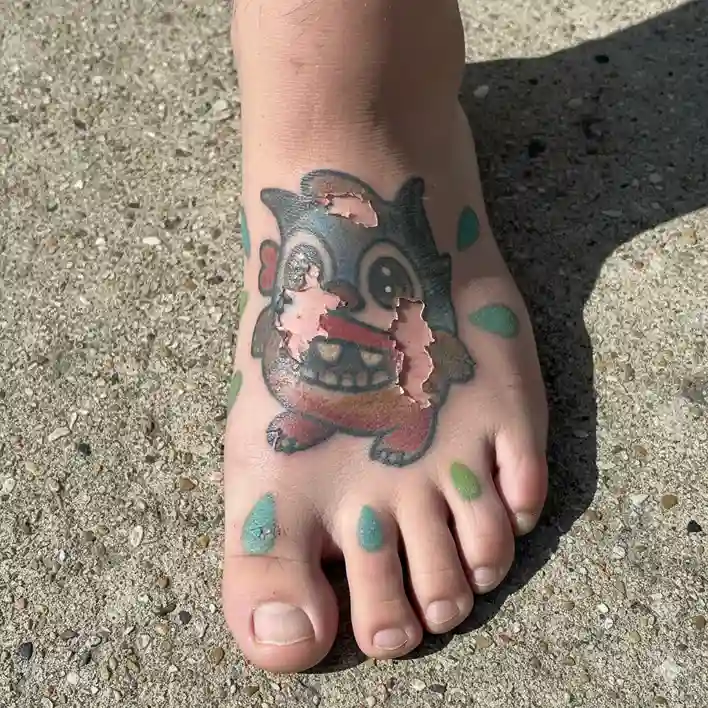
Did your Tattoo Scab Came Off And No Ink Underneath, and now you’re staring at your skin wondering if your tattoo is ruined?
You’re not alone—and yes, this moment can be stressful, confusing, and even a little scary.
Many people panic when they see bare skin where bold ink should be, especially after carefully sitting through the tattoo session and following aftercare rules.
The good news is that this situation is more common than you think, and it doesn’t always mean something has gone wrong.
When a tattoo heals, your skin goes through peeling, scabbing, and rebuilding stages. Sometimes, a scab falls off before the ink has fully settled, making it look like the ink disappeared.
Other times, the ink was pushed out during healing, or the new skin is still hiding it. In this guide, we’ll break down exactly why this happens, what it means for your tattoo, and what you should do next—clearly, simply, and honestly, without confusing medical talk.
Why Did My Tattoo Scab Come Off and There’s No Ink Underneath?
When a tattoo scab comes off and you notice little or no ink underneath, it’s usually a sign that the ink did not settle properly into the deeper layers of skin.
Tattoos are meant to deposit ink into the dermis, but if the skin was overworked, irritated, or damaged, the ink can be pushed out during healing.
Early scab removal—whether accidental or from picking—can also pull ink out before it has time to stabilize.
In some cases, the skin underneath is still healing and looks pale or cloudy, making the ink appear missing even if it isn’t.
Dry skin, excessive friction, or poor aftercare can worsen this issue. It’s important to remember that healing tattoos often look strange before they fully recover.
What you see immediately after a scab falls off isn’t always the final result. Patience is key during this stage of healing.
Is It Normal for Ink to Disappear When a Tattoo Scab Falls Off?
Some fading when a scab falls off can be normal, especially during the early healing phase.
As the top layers of damaged skin shed, the tattoo may look lighter, duller, or even slightly uneven.
This happens because new skin forms over the ink, temporarily muting its appearance.
However, complete ink loss in a specific area is not considered normal.
That usually suggests the ink was never fully retained. Many people confuse temporary “milky” healing skin with actual ink loss.
Over the next few weeks, the tattoo often darkens again as the skin settles. If the area stays skin-toned after full healing, a touch-up is usually needed.
What Are the Main Causes of a Tattoo Scab Coming Off Too Early?
A tattoo scab can come off too early due to several preventable reasons. The most common cause is picking, scratching, or rubbing the tattoo before it’s ready to shed naturally.
Excessive dryness can also make scabs crack and fall off prematurely. Overwashing the tattoo or using harsh soaps strips away protective oils and weakens scabs.
Tight clothing that rubs against the tattoo creates friction and irritation. Overexposure to water, such as long showers or swimming, softens scabs and causes them to detach early.
Poor-quality aftercare products may also slow healing. All of these factors increase the risk of ink loss and uneven healing.
What Does It Mean If My Tattoo Looks Patchy or Faded After Scabbing?
A patchy or faded appearance after scabbing usually means the ink healed unevenly. Some areas may have absorbed ink well, while others lost pigment during the healing process.
This can happen if certain spots were overworked by the tattoo needle or didn’t receive equal aftercare.
Patchiness can also occur in areas that move a lot, like hands, elbows, or ankles. In many cases, the tattoo continues to improve over several weeks as the skin regenerates.
If the patchy look remains after about 4–6 weeks, it’s a sign that a touch-up may be required. This is very common and not a failure on your part. Most professional artists expect and offer touch-ups.
Are Certain Tattoo Areas More Likely to Lose Ink During Healing?
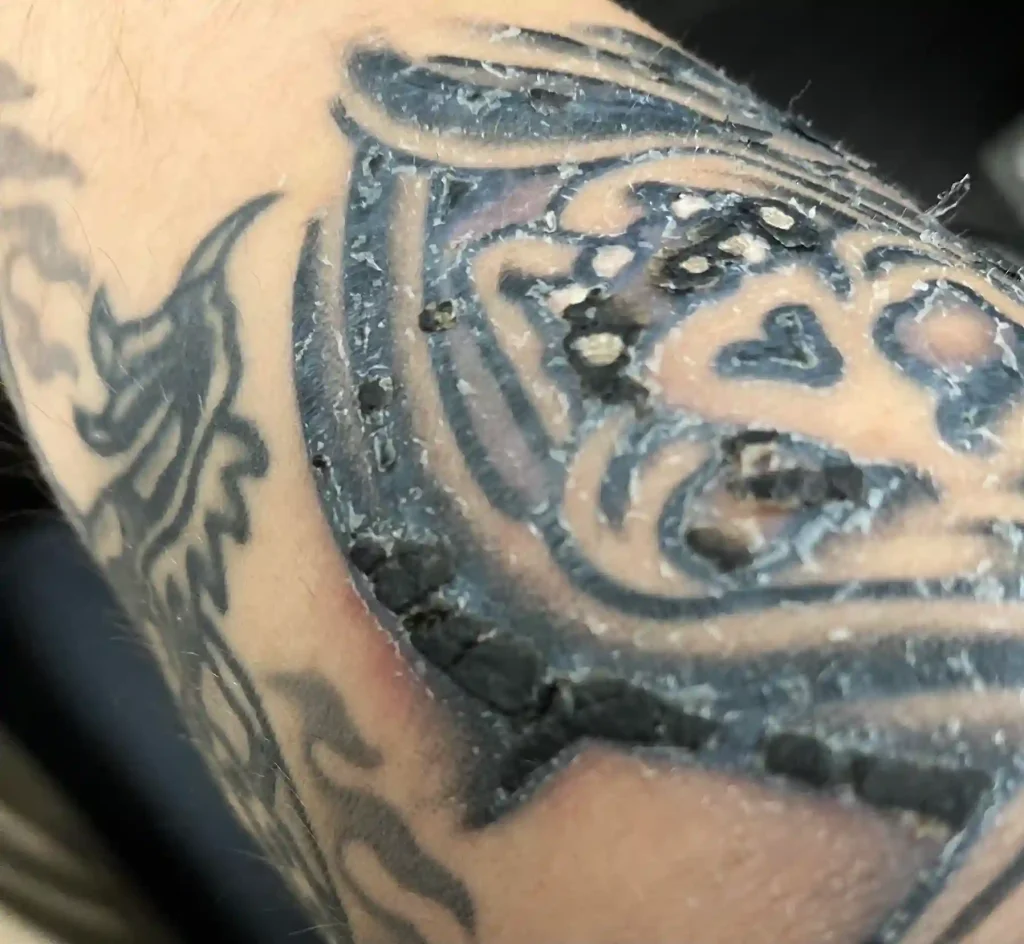
Yes, some body areas are more prone to ink loss than others. High-movement areas such as fingers, wrists, feet, and joints experience more friction and stretching, which disrupts healing.
Thin-skinned areas also struggle to hold ink as effectively as thicker skin. Places that sweat a lot can stay too moist, weakening scabs and pushing ink out.
Areas frequently exposed to sun may heal poorly if not protected. Tattoos in these locations often require extra care and sometimes multiple sessions.
Ink loss in these spots doesn’t mean something went wrong—it’s just how the body responds. Proper aftercare becomes even more important for these areas.
What Are the Signs of Improper Tattoo Healing After the Scab Comes Off?
Improper healing shows up in several clear ways after scabs fall off. Persistent redness, swelling, or warmth around the tattoo can signal irritation or infection.
If the area feels painful instead of mildly sensitive, that’s another warning sign. Patchy ink loss, raised scars, or thick, shiny skin may indicate trauma during healing.
Excessive dryness or cracking suggests the tattoo wasn’t moisturized enough. On the other hand, constant oozing or wetness points to over-moisturizing.
Unusual discharge or a bad smell requires immediate medical attention. Catching these signs early can prevent long-term damage.
Can Picking or Scratching a Tattoo Scab Cause Ink Loss?
Yes, picking or scratching is one of the fastest ways to lose tattoo ink. Scabs act as a protective layer while the skin heals underneath.
When you remove them prematurely, you also remove ink particles that haven’t settled yet. This can leave bald, skin-colored patches in the design.
Scratching also creates micro-tears, increasing the risk of infection and scarring. Even light picking can disrupt the healing process.
It’s normal for tattoos to itch, but resisting the urge is critical. Gentle tapping or applying moisturizer is a safer way to manage itchiness.
What Should I Do Immediately If My Tattoo Scab Came Off With No Ink Underneath?
If a scab comes off and you see no ink, don’t panic. First, gently clean the area with mild soap and lukewarm water to prevent infection.
Apply a thin layer of fragrance-free tattoo aftercare ointment or moisturizer. Avoid touching, rubbing, or covering the area with tight clothing.
Keep the tattoo clean and hydrated, but not overly moist. Do not try to “fix” the spot yourself.
Allow the skin to fully heal before judging the final result. Once healing is complete, you can consult your tattoo artist about a possible touch-up.
How Does the Tattoo Healing Process Affect Ink Retention?
Tattoo healing directly determines how well ink stays in your skin. During the first few days, the body treats the tattoo like a wound and begins repairing damaged tissue.
Scabbing and peeling are part of this natural response. If healing is smooth, the ink becomes locked into the dermis.
Problems arise when healing is interrupted by irritation, dryness, or trauma. Too much moisture can push ink out, while too little can cause cracking.
The balance between cleanliness and hydration is crucial. Proper healing ensures vibrant, long-lasting ink.
What Are the Risks of Infection or Scarring When a Tattoo Scab Falls Off Early?
Early scab removal exposes raw skin, increasing the risk of bacteria entering the area. This can lead to infections that damage both skin and ink.
Infected tattoos may swell, ooze, or form thick scabs that scar easily. Scarring permanently alters the skin’s texture and can distort the tattoo design.
Even mild infections can cause long-term fading or uneven ink. The risk is higher if hands are not clean or the environment isn’t hygienic.
Treating a tattoo gently during healing greatly reduces these risks. When in doubt, seek medical or professional advice.
How Long Should a Tattoo Take to Heal Before the Ink Fully Shows?
Most tattoos go through visible healing in 2–3 weeks, but full healing takes longer. After scabbing and peeling, the tattoo may look cloudy or faded for several weeks.
This is due to a thin layer of new skin forming over the ink. True ink clarity usually appears after 4–6 weeks.
Deeper healing continues beneath the surface for up to two months.
Judging ink loss too early can be misleading. Waiting until full healing is complete gives the most accurate view of the final result. Only then should touch-ups be considered.
Will a Tattoo Touch-Up Fix Areas With No Ink After Scabbing?
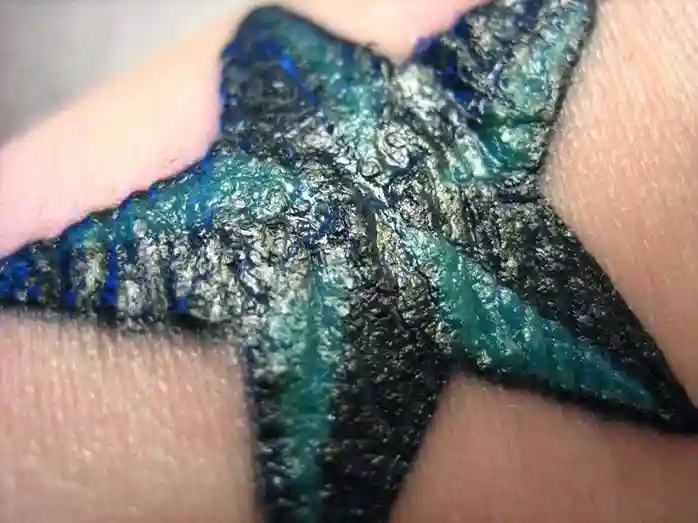
In most cases, yes—a touch-up can fully fix areas where ink didn’t hold. Touch-ups allow the artist to reapply ink to healed skin without causing additional trauma.
They are common and often expected, especially for fine lines or detailed work. The key is waiting until the tattoo is completely healed before retouching.
Attempting a touch-up too soon can worsen damage. A skilled artist will assess the skin and adjust technique if needed.
Touch-ups usually heal faster than the original tattoo. The result is a more even and vibrant design.
What Aftercare Steps Help Prevent Ink Loss During Tattoo Healing?
Good aftercare is the foundation of strong ink retention. Follow these essential steps:
- Clean the tattoo gently 2–3 times a day with mild, fragrance-free soap
- Apply a thin layer of recommended tattoo moisturizer
- Keep the area dry but not dehydrated
- Avoid sun exposure, swimming, and sweating excessively
- Wear loose, breathable clothing
Consistency with aftercare prevents scabs from cracking or falling off early. It also protects the skin barrier while ink settles. Simple habits make a big difference in the final outcome.
How Can I Prevent Tattoo Scabs From Falling Off Too Soon in the Future?
Preventing early scab loss starts with respecting the healing process. Never pick or scratch your tattoo, even if it itches.
Keep your skin lightly moisturized to avoid dryness and cracking. Avoid long hot showers that soften scabs too much.
Protect your tattoo from friction caused by clothing or physical activity. Stay hydrated and maintain good overall skin health.
Follow your artist’s aftercare instructions closely. These steps help scabs fall off naturally when the skin is ready.
When Should I Ask a Tattoo Artist or Dermatologist for Expert Advice?
You should seek expert advice if ink loss is severe, healing seems abnormal, or pain and redness persist. A tattoo artist can tell you whether a touch-up is needed or if healing is still in progress.
If you notice signs of infection such as pus, fever, or spreading redness, consult a dermatologist immediately.
Scarring or allergic reactions also require medical input. Asking for help early can prevent permanent damage.
Professionals see these issues often and can guide you safely. Getting advice is always better than guessing when it comes to your skin.
Final Thoughts
If your Tattoo Scab Came Off And No Ink Underneath, it can feel alarming, but in most cases, it’s part of the healing process or a sign that the ink didn’t fully settle.
Things like early scab removal, dry skin, friction, or normal peeling can all affect how your tattoo looks at first.
The most important steps are to keep the area clean, avoid picking, follow proper aftercare, and give your skin enough time to heal.
Many tattoos look faded or uneven before they fully recover, and touch-ups are very common and usually fix the problem completely.
By understanding the healing stages and taking good care of your tattoo, you can protect your skin and make sure your tattoo ends up looking the way it should.
Click Here To See More Blogs:
- Top 17 Cinderella Tattoo Designs You’ll Fall In Love With
- Can You Get A Tattoo At 16
- 15 Beautiful Beauty And The Beast Tattoo Designs You’ll Love
- How To Cover A Tattoo For Sports: Safe Tips To Protect & Heal Your Ink
- How Do I Know If My Tattoo Is Infected? Signs, Symptoms, And What To Do
- How To Lighten Dark Shading On A Tattoo: Easy Tips For Softer, Balanced Ink
- Best Adjustable Stroke Tattoo Machine: Expert Tips & Guide
- How To Cancel A Tattoo Appointment Without Stress Or Awkwardness
- 18 Strawberry Shortcake Tattoo Ideas So Cute You’ll Smile
- Can I Get A Tattoo With Keratosis Pilaris
- How To Lighten A Tattoo With White Ink Safely And Correctly
- 16 Stunning Snowdrop Flower Tattoo Designs With Hidden Meanings
- Top 15 I Love You Tattoo Designs Couples Are Loving
- Can You Use A Regular Printer For Tattoo Stencils? Safe Tips & Risks Explained
- Best Tablet For Tattoo Artist: A Complete Guide For Clean, Accurate Designs
- 17 Beautiful Flower Wrist Tattoo Designs You’ll Love
- Can You Get A Tattoo Before Starting Chemo? Risks, Safety & Expert Advice
- What Does A Pink And Blue Ribbon Tattoo Mean? Symbol, Purpose & Care Guide
- 15 Best January Flower Tattoo Ideas For Meaningful Ink
- Can You Tattoo Your Balls? Risks, Pain, Healing & Expert Advice Explained
- 16 Red Tattoo On Black Women That Look Bold & Stunning
- Is Wormhole Tattoo Ink Safe For Skin? Risks, Reactions, And Care Tips Explained
- 15 Stunning Baby Tattoos For Moms You’ll Love Forever
- Playboy Bunny Tattoo Meaning: Hidden Symbolism, Culture & What It Really Represents
- 19 Meaningful God Is Greater Than Highs And Lows Tattoo Ideas
- Fresh Vs Healed Black Tattoo: What’s Normal And What’s Not?
- 18 Beautiful Side Of Hand Tattoo Ideas To Try
- Pink Panther Tattoo Meaning: Symbolism, Personality, And What It Truly Represents
- 17 Stunning Nature Tattoo Designs With Deep Meanings
- How To Sterilize Tattoo Equipment: A Complete Guide For Safe & Clean Tattooing
- How To Sterilize Tattoo Equipment: A Complete Guide For Safe & Clean Tattooing
- Is Dragonhawk A Good Tattoo Brand? Honest Review For Artists & Beginners
- How Much Is A Tapout Tattoo Session? Cost, Pain & What To Expect
- 17 Stunning Olive Tattoo Ideas You’ll Love To See Now