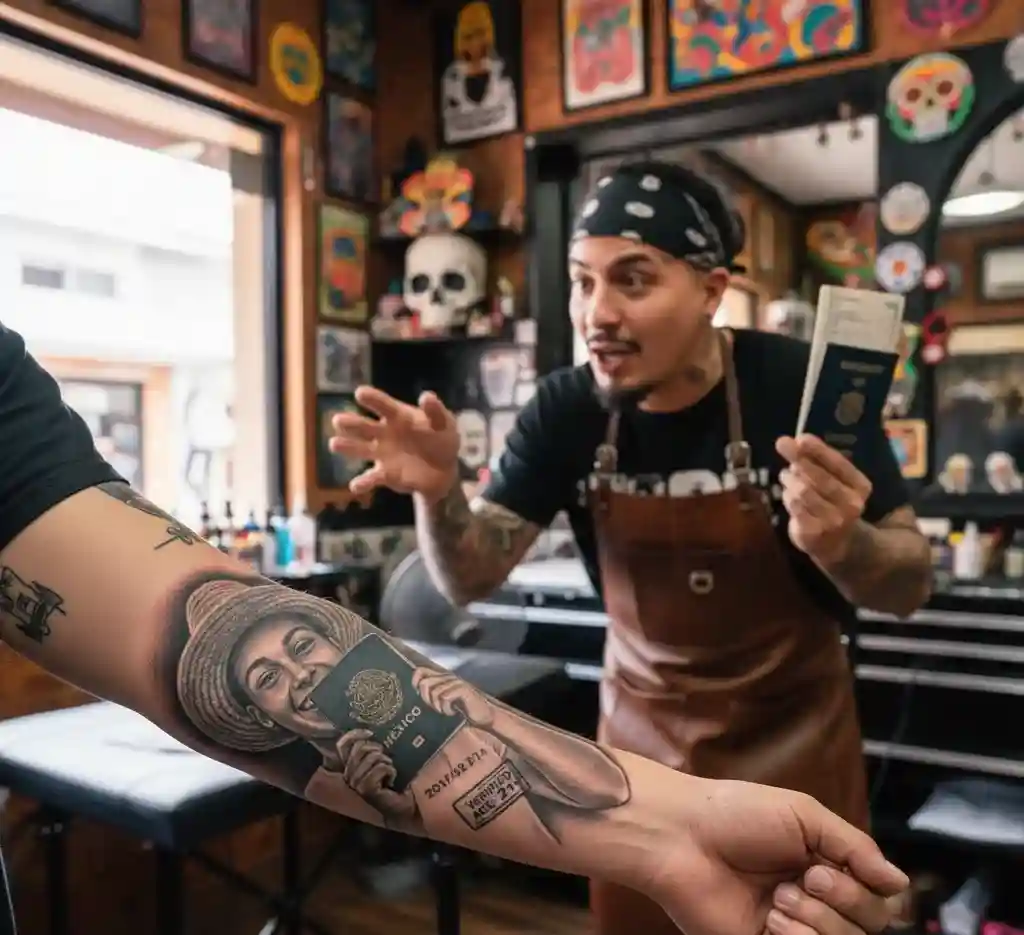
Thinking about getting a tattoo in Mexico but not sure if you’re old enough? You’re not alone.
One of the most common questions people ask especially teens, parents, and tourists is what age can you get a tattoo in Mexico.
Tattoo laws can feel confusing, and getting the wrong information can lead to wasted time, legal trouble, or even health risks.
Before you step into a tattoo studio, it’s important to understand the age rules and what studios are legally allowed to do.
The truth is, tattoo age laws in Mexico are not always clearly explained online, which leads to a lot of mixed advice.
Some studios follow strict age limits, while others may talk about parental consent or local rules. This makes it even more important to know the facts before making a permanent decision.
In this guide, we’ll break everything down in simple, easy language so you know exactly where you stand and how to stay safe, legal, and confident before getting a tattoo in Mexico.
What Age Can You Get a Tattoo in Mexico According to Federal Law?
In Mexico, there is no single nationwide federal law that clearly states one uniform minimum age for getting a tattoo.
Instead, tattooing is regulated through public health laws and local regulations that focus on hygiene, safety, and consumer protection.
In practice, most professional tattoo studios follow an age limit of 18 years old. This aligns with the general legal age of adulthood and the ability to give informed consent.
Federal health guidelines strongly discourage tattooing minors due to health risks and long-term consequences.
As a result, even without a strict federal ban, reputable artists treat 18 as the legal standard. This protects both the client and the tattoo artist from legal and ethical issues.
Is There a Legal Minimum Age to Get a Tattoo in Mexico?
While Mexico does not publish a single, explicit national tattoo age law, the widely accepted minimum age is 18.
This age is considered the point at which a person can legally consent to body modifications.
Tattoo studios rely on this standard to avoid penalties, lawsuits, or license issues. Some regions allow exceptions for minors with parental consent, but this is not guaranteed or universal.
Many artists refuse to tattoo anyone under 18 regardless of consent. This approach prioritizes safety, maturity, and long-term decision-making. If you are under 18, always assume you may be refused service.
Do Tattoo Age Laws in Mexico Vary by State or City?
Yes, tattoo regulations can vary by state and municipality. Local health departments may set their own rules about age limits, consent, and studio licensing. In some cities, minors may be tattooed with written parental permission and valid identification. In others, tattooing a minor is completely prohibited.
Enforcement levels also differ, with tourist areas often applying stricter standards. Because of these variations, it is important to check local regulations before booking an appointment.
Tattoo studios usually follow the strictest interpretation to protect themselves. This means age requirements can feel inconsistent across the country.
Can Minors Get a Tattoo in Mexico With Parental Consent?
In certain areas, minors may legally get a tattoo if a parent or legal guardian provides consent. This consent is often required to be written, signed, and accompanied by official identification.
Some studios also require the parent to be physically present during the procedure. However, many professional artists still refuse to tattoo minors, even with consent.
They believe minors may not fully understand the permanence and risks involved.
Health authorities also discourage underage tattooing due to higher complication risks. As a result, parental consent does not guarantee approval.
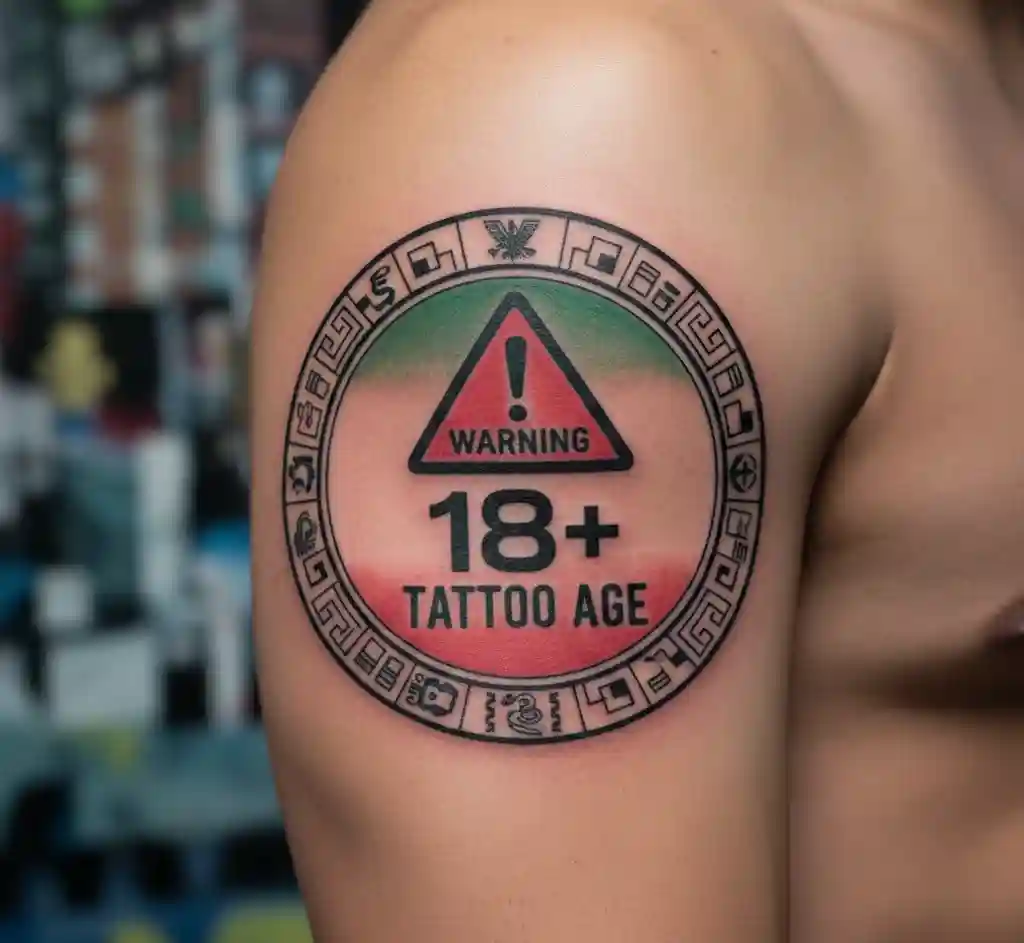
What Documents or ID Are Required to Get a Tattoo in Mexico?
Most tattoo studios require valid government-issued photo identification. This is used to confirm age, identity, and legal consent.
Commonly accepted documents include passports, national ID cards, or residency cards. For minors (where allowed), studios may request:
- The minor’s official ID
- Parent or guardian ID
- Written consent forms
- Proof of legal guardianship
These documents help protect the studio from legal problems. Reputable artists will never skip the ID verification process. If a studio does not ask for ID, that is a major red flag.
Why Does Mexico Have Age Restrictions for Tattoos?
Age restrictions exist primarily to protect health, safety, and personal well-being. Tattoos involve breaking the skin, which carries risks such as infection, allergic reactions, and scarring.
Younger people may not fully understand these risks or the permanence of tattoos. There are also psychological considerations, including impulse decisions and future regret.
From a legal perspective, minors cannot always give informed consent. Age limits help ensure tattoos are chosen responsibly. These rules also protect artists from legal and ethical liability.
What Are the Risks of Getting a Tattoo Underage in Mexico?
Underage tattooing comes with increased risks. Younger skin can react unpredictably to ink, leading to irritation or allergic responses.
There is also a higher chance of infection if aftercare is not followed correctly. Emotionally, minors may later regret designs chosen at a young age.
Legal consequences can affect both the client and the artist. Unlicensed studios are more likely to accept underage clients, increasing health risks.
Poor hygiene practices can lead to serious complications. These risks make underage tattooing strongly discouraged.
What Health and Safety Standards Do Tattoo Studios in Mexico Follow?
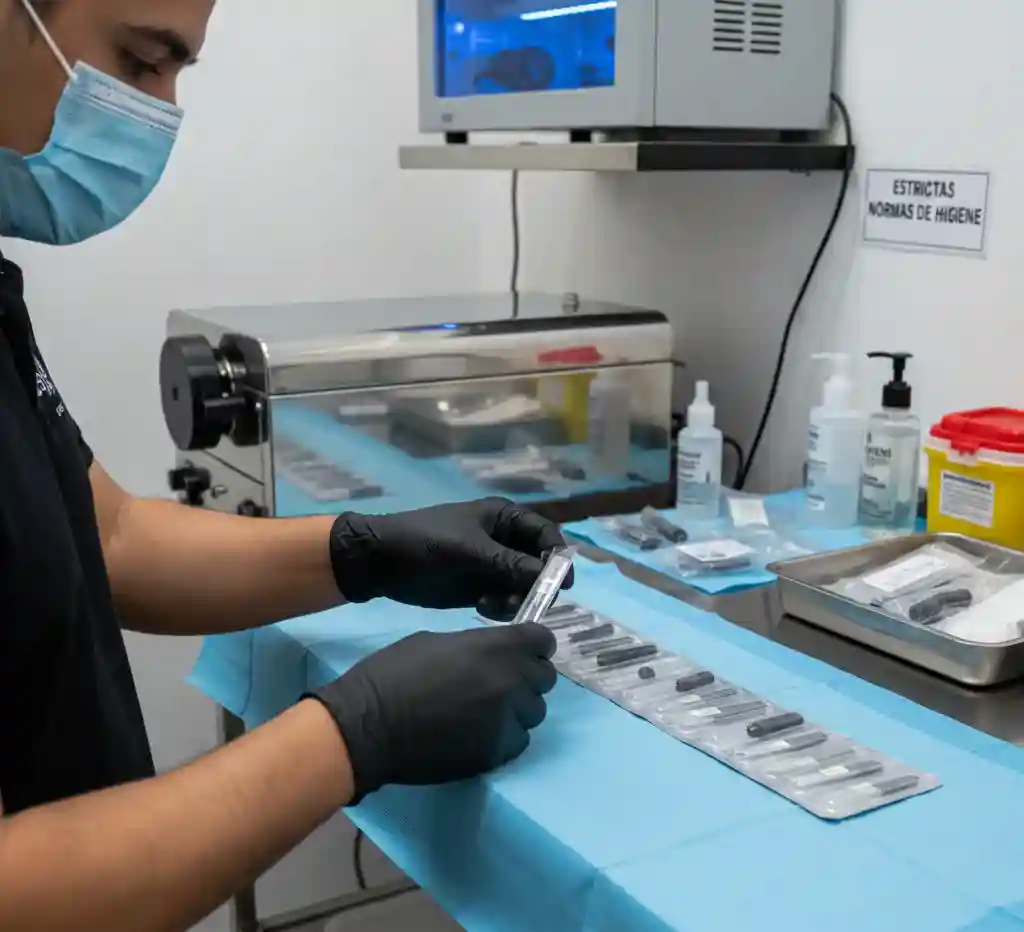
Professional tattoo studios in Mexico are regulated by local health authorities. They must follow strict hygiene protocols to prevent disease transmission. These standards typically include:
- Single-use, sterilized needles
- Medical-grade gloves and disinfectants
- Proper waste disposal systems
- Clean, controlled work environments
Studios may also undergo regular inspections. Artists are often required to complete health and safety training. These standards protect clients from infections and cross-contamination. Choosing a licensed studio is essential for safe tattooing.
How Can You Tell If a Tattoo Studio in Mexico Is Legit and Licensed?
A legitimate tattoo studio will be transparent about its licensing and health certifications. Licenses are often displayed openly on the wall.
The studio should look clean, organized, and professional. Artists should explain the procedure and aftercare clearly.
You should see sterile needles opened in front of you. Staff should ask for ID and consent forms without hesitation.
Reviews and word-of-mouth recommendations are also helpful indicators. If anything feels rushed or secretive, walk away.
What Happens If You Get a Tattoo Illegally as a Minor in Mexico?
If a minor gets tattooed illegally, consequences can vary. The tattoo artist may face fines, license suspension, or closure of their studio.
The minor could face difficulties if medical complications arise without legal consent. In some cases, parents may take legal action against the artist.
Medical treatment for infections can also become complicated. The tattoo itself may need removal later, which is costly and painful.
These outcomes highlight why legal compliance matters. Illegal tattooing benefits no one.
What Are the Common Health Risks of Getting a Tattoo in Mexico?
Health risks are similar worldwide and depend on hygiene and aftercare. Common risks include:
- Bacterial infections
- Allergic reactions to ink
- Scarring or keloids
- Bloodborne diseases if equipment is reused
Hot and humid climates can increase infection risk if aftercare is poor. Sun exposure can also damage fresh tattoos. Choosing a reputable studio greatly reduces these risks. Proper aftercare is just as important as the tattooing process itself.
How Painful Is Getting a Tattoo and Does Age Affect Pain or Healing?
Tattoo pain varies depending on placement, size, and individual tolerance. Areas with thin skin or many nerves tend to hurt more.
Age can influence healing rather than pain. Younger individuals may heal faster physically but struggle more with aftercare discipline.
Older clients may experience slower healing but better decision-making. Pain perception is highly personal and unpredictable.
Artists often describe tattoo pain as a sharp scratching sensation. Mental preparation helps manage discomfort.
What Are the Tattoo Healing Stages and Timeline in Mexico’s Climate?
Tattoo healing generally occurs in stages over 2 to 4 weeks. In warmer climates, sweating and humidity can slow healing if not managed carefully.
- Days 1–3: Redness, swelling, and soreness
- Days 4–10: Scabbing and itching
- Weeks 2–4: Skin regeneration and fading of flakes
Full healing beneath the skin can take up to two months. Sun protection is critical during healing. Cleanliness and hydration support faster recovery. Climate-aware aftercare is essential.
How Should You Care for a New Tattoo After Getting It in Mexico?
Aftercare begins immediately after the session. Artists usually apply a protective covering that should stay on for several hours.
Wash the tattoo gently with fragrance-free soap and lukewarm water. Apply a thin layer of recommended ointment.
Avoid swimming, sun exposure, and tight clothing. Keep the area clean and dry. Do not pick scabs or scratch. Proper aftercare prevents infections and preserves tattoo quality.
What Are the Signs of Tattoo Infection or Complications to Watch For?
It is normal to experience mild redness and soreness, but warning signs should not be ignored. Watch for:
- Excessive swelling or redness
- Pus or foul-smelling discharge
- Fever or chills
- Intense pain after several days
- Red streaks spreading from the tattoo
If any of these occur, seek medical attention immediately. Early treatment prevents serious complications. Ignoring symptoms can lead to scarring or systemic infection.
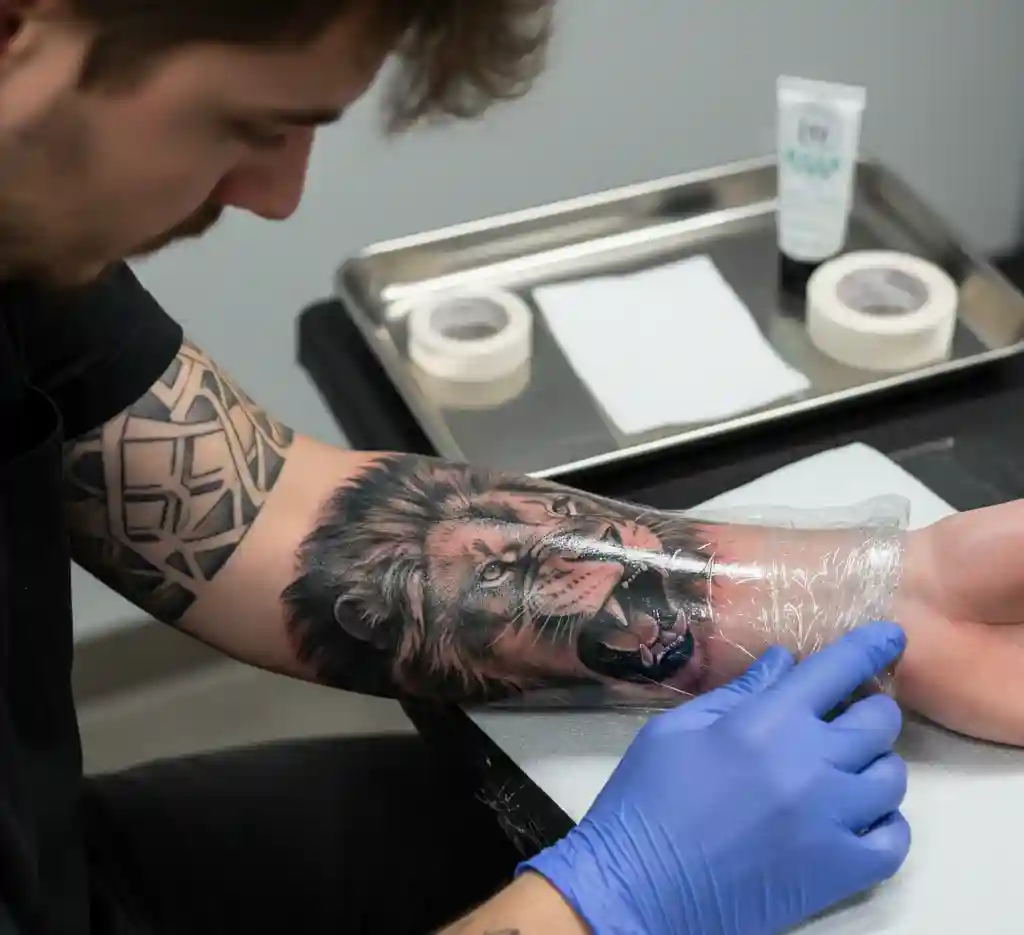
How Long Does It Take for a Tattoo to Fully Heal?
Surface healing usually takes about 2 to 4 weeks. During this time, the tattoo may peel and look dull. Deeper skin layers take longer to regenerate.
Complete internal healing can take up to 6–8 weeks. Healing speed depends on size, placement, health, and aftercare quality.
Rushing the process can damage the tattoo. Avoid touch-ups until full healing occurs. Patience ensures the best long-term results.
What Mistakes Should First-Time Tattoo Clients Avoid in Mexico?
First-time clients often make avoidable mistakes. Common ones include choosing cheap studios, skipping research, and ignoring aftercare instructions.
Getting tattooed while dehydrated or tired increases discomfort. Copying trendy designs without personal meaning can lead to regret.
Not checking age and legal requirements can cause last-minute refusal. Always communicate openly with your artist.
Preparation and research make a huge difference. A tattoo should never be rushed.
How Can You Prevent Tattoo Regret at a Young Age?
Tattoo regret is more common among younger clients. To prevent it, take time to think about design, placement, and meaning.
Avoid impulsive decisions influenced by peers or trends. Temporary tattoos can help test ideas. Waiting until you are older often brings clarity.
Consulting experienced artists can also help refine designs. Remember that tattoos are permanent. Thoughtful planning reduces long-term regret significantly.
Are There Safer Alternatives to Permanent Tattoos for Minors in Mexico?
Yes, there are several safer alternatives for minors. These options allow self-expression without permanent consequences:
- Temporary tattoos
- Henna tattoos (from reputable sources)
- Body paint or cosmetic ink
- Tattoo stickers
These alternatives eliminate health and legal risks. They are also affordable and flexible. For minors, these options are strongly recommended. They allow exploration without commitment.
What Expert Advice Should You Follow Before Getting a Tattoo in Mexico?
Experts consistently recommend research, patience, and safety. Always choose licensed, experienced artists. Never get tattooed under the influence of alcohol or drugs.
Follow aftercare instructions exactly as given. Ask questions about ink, equipment, and healing. Do not rush design decisions.
Experts also advise waiting until legal adulthood. Responsible choices lead to better outcomes and satisfaction.
Should Tourists Follow the Same Tattoo Age Rules in Mexico?
Yes, tourists are subject to the same local laws and regulations. Being a visitor does not exempt you from age requirements.
Reputable studios will ask tourists for passports as ID. Age verification is taken seriously in tourist areas. Attempting to bypass rules can lead to refusal or unsafe alternatives.
Following local laws protects your health and legal standing. Tourists should plan ahead and respect regulations.
Is It Better to Wait Until You’re Older to Get a Tattoo in Mexico?
In most cases, yes. Waiting allows for emotional maturity and clearer self-identity. Older clients are more likely to choose meaningful designs and follow aftercare properly.
The risk of regret decreases significantly with age. Legal simplicity is another advantage. Your body and lifestyle may also change over time.
A tattoo should reflect who you are long-term. Waiting often leads to better satisfaction and safer experiences.